A Triumph That Began to Unravel: The Prime Minister’s First 18 Months
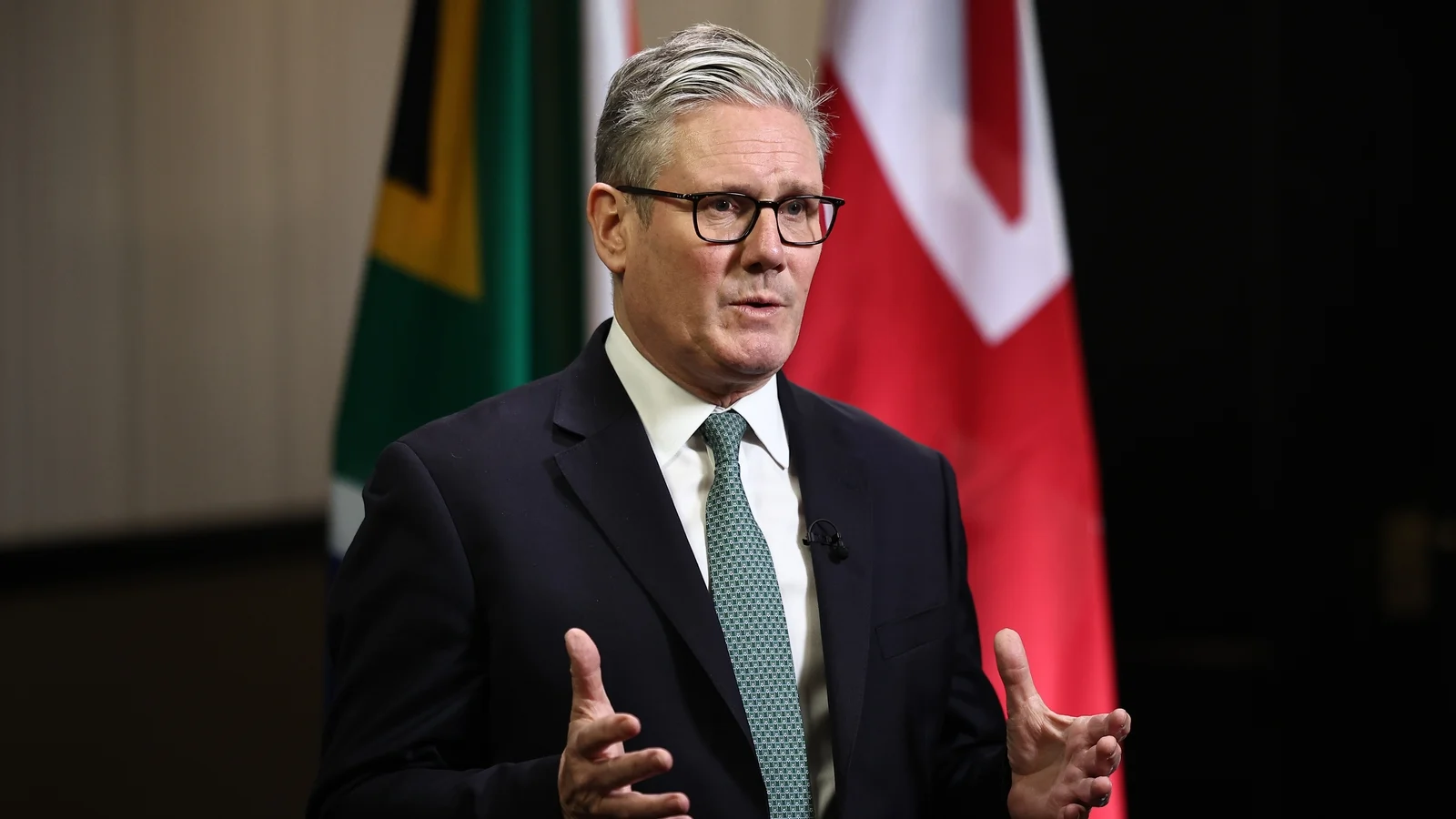
On a bright July evening in 2024, confetti drifted down Whitehall and a crowd outside Downing Street sang as if the last decade had been a long winter finally thawing. Keir Starmer, having swept Labour back into power with a thumping majority of more than 400 seats, strode into Number 10 with the air of a man who intended to tidy up, steady the ship and get on with governing.
Words like “reset” and “stability” were uttered with relish. But governing is an art of compromises and collisions. Eighteen months later, that tidy narrative has started to fray at the edges — sometimes with noise and scandal, sometimes with policy missteps, always with the relentless grind of politics turning up the heat on a prime minister who once seemed unassailable.
From pomp to pressure
The honeymoon was short. Within weeks, Labour was hit by rows over ministerial gifts and hospitality, a contentious winter-fuel means test that would touch vulnerable pensioners, and a budget from Chancellor Rachel Reeves that promised roughly £40 billion a year in new tax measures — a fiscal jolt meant to stabilise public finances, but one that added to an atmosphere of squeeze and sacrifice.
“We thought we’d get calm, professional government,” said Aisha Khan, a café owner near Manchester who voted Labour in 2024. “Instead we’re watching headline after headline. People here worry about heating bills more than headlines.” Her worry is real: the government’s partial U‑turn in May — restoring winter fuel payments to pensioners on incomes up to £35,000 at an estimated cost of around £1.25 billion — was a political admission that the original plan had been politically and humanly fraught.
Unrest, culture and the politics of grief
Not all the crises were fiscal. In late summer a single horrific incident — the death of three girls at a themed dance class in Southport — exploded into nationwide unrest, revealing the unpredictable ways personal tragedy can slip into political narratives. “We were grieving,” said Sandra Lopez, a grandmother who joined a candlelit vigil in the seaside town. “Then our grief was on the news as if it were another story about who is failing whom.”
Those raw moments feed into something larger: a sense among many voters that institutions are brittle, social cohesion is frayed, and politicians are often far removed from ordinary lives.
Policy, rebellion and the parliamentary squeeze
Starmer sought steady reform: raising defence spending, tightening immigration, overhauling welfare. Some of these moves were strategic responses to a more hostile political environment — not least the rise of Reform UK and its surge in local council seats in May’s local elections, which left Labour performing below expectations and hungry for answers.
But policy theatre can become perilous. The prime minister endured his largest parliamentary rebellion on 1 July, when 49 Labour MPs opposed his welfare proposals despite late concessions. Earlier, more than 100 Labour MPs signed an amendment to halt welfare legislation — a striking display of backbench muscle.
“You can only command obedience with logic and trust,” said Dr Helen Armitage, a constitutional scholar. “When members sense compromise with principle, they withdraw support. Labour’s internal revolt is the symptom of deeper doubts about direction and consultation.”
Other marked policy moments: a post‑Brexit “reset” deal with the EU on defence and trade frictions; the controversial nationalisation of British Steel after emergency weekend legislation intended to protect UK steelmaking; and a hardening on immigration that saw the prime minister regretfully withdraw language that critics likened to historical exclusionary rhetoric.
The transatlantic tightrope: Trump, trade and diplomacy
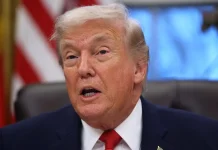
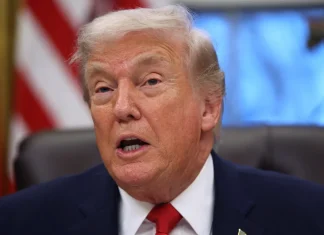
If domestic politics has been knotty, Starmer’s foreign policy has been a study in tightropes. He met President Donald Trump at the White House and formally handed an invitation for a second state visit — an encounter that was as much about realpolitik as it was about optics. A tentative trade understanding that removed the immediate threat of US tariffs on British cars and planes was hailed as a win, even as steel remained a point of negotiation.
“We need markets and allies,” said Eleanor Fitzgerald, a trade analyst. “But every handshake with Washington risks domestic blowback if it looks like appeasement.”
At the same time, Starmer helped convene European leaders in London to discuss a deterrent peacekeeping framework for Ukraine — a reminder that global conflicts and transnational solidarity loom large in Westminster’s deliberations.
Scandal, secrecy and the Mandelson saga
Perhaps the single event that shifted the tone from strained governance to an acute crisis was the Peter Mandelson episode. Once a Labour grandeee, Mandelson’s appointment to be ambassador in Washington was meant to leverage his experience and contacts. Instead, revelations linking him to Jeffrey Epstein and leaked emails alleging the sharing of market‑sensitive information plunged Number 10 into turmoil.
“I am sorry for having believed Mandelson’s lies and appointed him,” the prime minister later said — an apology that, for many victims and critics, felt overdue. The fallout was swift: Mandelson was sacked, the ambassadorial thread was cut, and within days Downing Street’s chief of staff Morgan McSweeney and communications director Tim Allan resigned.
“It shows how reputations can be toxic legacies,” said former diplomat Mark Hargreaves. “Appointment decisions carry risk. Trust is the currency of effective government, and that currency has been devalued.”
Calls for leadership change
Calls for the prime minister to step down were not confined to the opposition. Scottish Labour leader Anas Sarwar publicly urged Starmer to quit, and rumours of a challenge from within — including whispers around Greater Manchester mayor Andy Burnham — swirled through conference corridors. MPs have left: one veteran cited ill health in January, and high‑profile resignations have punctured the leadership’s aura of stability.
“Politics is unforgiving when the narrative turns against you,” said backbencher Jamie Lowe. “One minute you’re the steward of national repair; the next, you’re apologising for another appointment.”
What does it all mean? A fragile centre, global turbulence
So what are we watching? A few strands stand out. First, the fragility of the political centre in an age of populist flux: voters are fluid, and parties that once anchored mainstream politics now face insurgent actors promising simplicity in hard times. Second, the churning of global geopolitics — from Ukraine to Washington — means domestic leaders must navigate external storms while keeping their own house in order.
And finally, an age of relentless scrutiny: digital leaks, archived emails, and the gossip economy of modern media mean that appointments and private conversations can explode into public crises overnight.
As a reader, what do you make of this unfolding drama? Do you see it as the inevitable turbulence of a new government finding its feet, or as a deeper collapse of trust that requires wholesale renewal? In cafes and council chambers from Southport to Scunthorpe, people are asking the same question: can the promise of that bright July night still be delivered?
Closing notes
Labour has not failed overnight, nor has any single scandal sealed a political fate. But the last 18 months show how quickly political capital can be spent. Whether Starmer steadies the ship or the ship lists further will depend on policy clarity, judgement in appointments, and — crucially — the party’s ability to reconnect with voters who feel the policy debates are distant from their daily struggles.
“Politics is about credibility and competence,” said Iris Coleman, a retired schoolteacher who voted Labour in 2024. “If they can prove they care for people, not just balance sheets and photo ops, there’s still time. But it’s getting late for some.”
- Key figures: Labour majority >400 seats (July 2024); Chancellor announced ~£40bn in extra taxes; defence spending pledged to 2.5% of GDP by 2027; winter fuel U‑turn cost ~£1.25bn.
- Major political blows: 49‑MP rebellion; Mandelson sacking after Epstein-linked revelations; resignations of chief of staff and communications director in February 2026.
History moves fast when trust is thin. Keep watching — and ask yourself: which kinds of leaders would you trust to steady the ship in such weather?