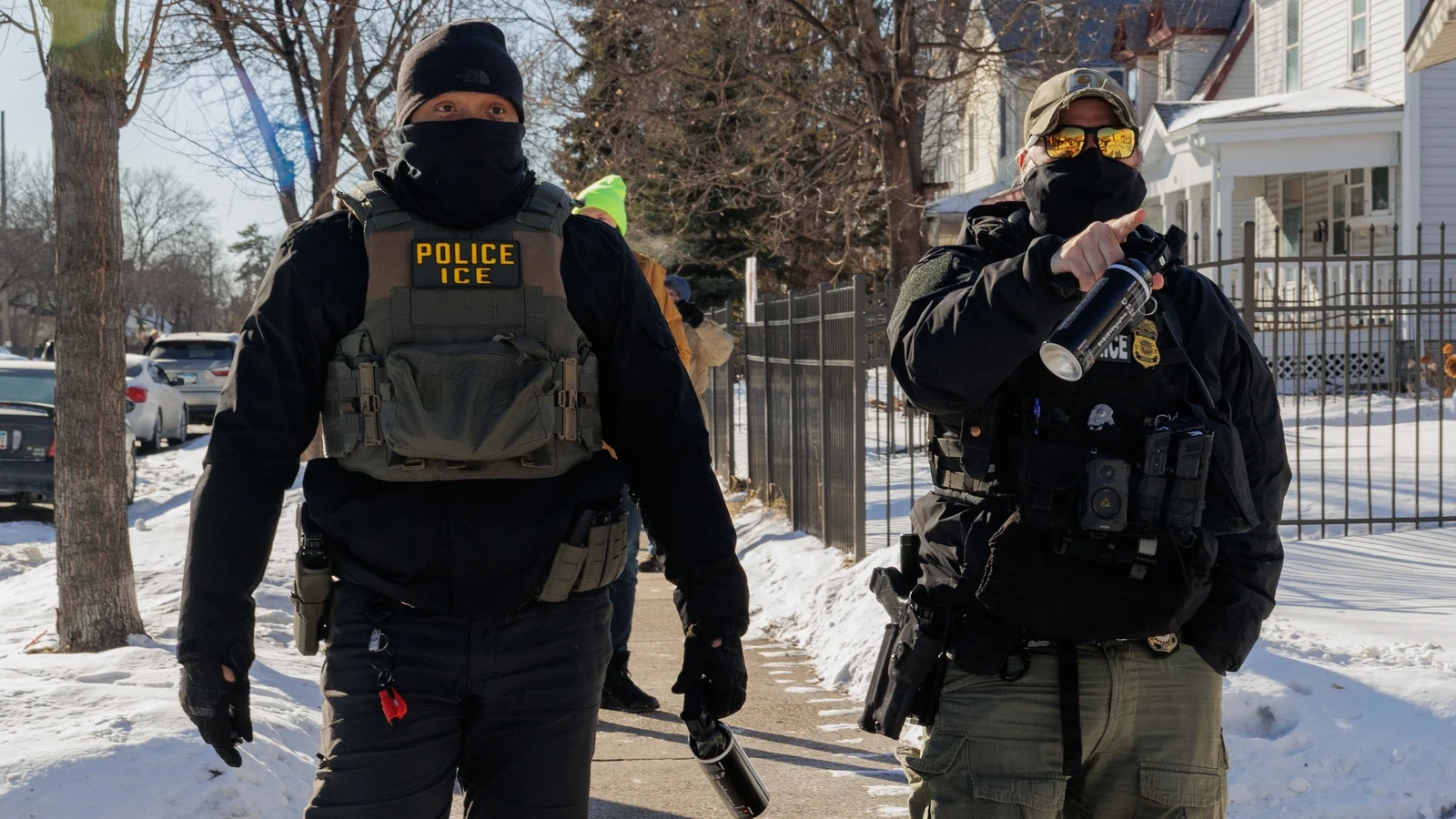
Minneapolis at a Crossroads: When Federal Raids Meet Neighborhood Vigilance
There is a hum in the winter air of Minneapolis that sounds different from the usual low, urban roar. It is the noise of armored vans idling on side streets, the clack of boots along brick sidewalks, the anxious murmur of neighbors watching their phones for encrypted chatter, the small, steady sound of candles being placed on curbs.
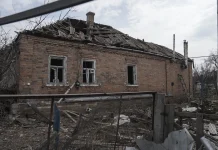
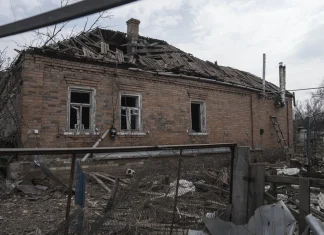
For weeks, the city has felt like a pressure cooker. Federal immigration sweeps — part of a campaign known to some as Operation Metro Surge — have met neighborhood resistance, and the result is not just headlines but grief and an intensifying civic conversation about enforcement, safety and who gets to decide how a city protects its people.
Two deaths that changed everything
Everyone I spoke with in south and southwest Minneapolis referenced the same names with the same soft fury: Renee Good, a mother of three, and Alex Pretti, a 37-year-old intensive care nurse. Their deaths — both at the hands of federal officers — have been the spark that ignited months of protests, vigils and an unblinking public scrutiny of how immigration enforcement is being carried out in American cities.
“We lit candles for Renee and Alex for a reason — because they were people who belonged to us,” said Elena Martinez, 42, who moved to the neighborhood two years ago. “It’s not theoretical to us. This is our family, our nurses, our neighbors.”
The sequence of events is dizzying and painful. Officers from Immigration and Customs Enforcement (ICE) and the Border Patrol have been conducting operations that community monitors describe as aggressive: midday caravan arrests, canvassing homes in groups of six to eight agents, and, in earlier weeks, wide street stops that left residents feeling singled out simply for walking down the block.
From broad sweeps to more targeted operations — or so officials say
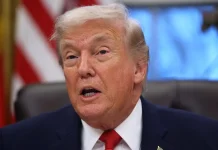
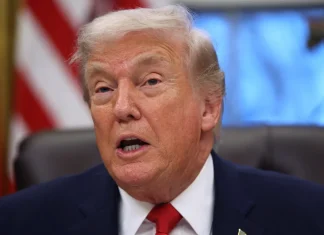
Inside the White House, the rhetoric has oscillated. At times, the message has been conciliatory. At others, it has become sharp and critical of local leaders. Federal officials announced leadership changes in the field — bringing in a veteran enforcement figure to shift tactics from broad sweeps to what they called “traditional, targeted operations.” But for many on the ground, the distinction feels academic when the outcomes are the same: families disrupted, arrests made, and in the worst cases, lives lost.
“They pulled back for two days and everyone relaxed,” said Patty O’Keefe, who volunteers as a community observer in south Minneapolis. “Then the vans came back, but they were quieter — more like they were looking for names on a list. You still didn’t feel safe.”
It is difficult to measure the exact cadence of raids because local volunteers who track ICE and Border Patrol activity say federal surveillance of their communications has pushed them into smaller, encrypted channels. This fragmentation makes it hard to know how many arrests are happening, when, or why.
Confrontation on the streets
What cannot be hidden is the rising tension between tactical units in black tactical gear and the local communities that have mobilized against them. Demonstrations, once localized, have rippled outward — to city squares, statehouses and into other towns — as people carry photos of the dead and signs demanding accountability.
“You don’t need to be against enforcing the law to see the problem here,” said Amir Hassan, a 29-year-old organizer with a local immigrant-rights coalition. “We’re saying: do it the way other cities do — with warrants, with transparency, with respect for civil rights.”
Federal prosecutors have pushed back. In public statements they said multiple arrests were made of people who allegedly assaulted or obstructed federal officers, and officials insisted enforcement would continue. A senior federal official described the incoming leadership’s plan as a recalibration — less about broad street sweeps and more about individual targets — yet stressed that no arrests would be blocked by local politics.
Where law, politics and local governance collide
The clash has reopened old constitutional and political questions. How much authority does the federal government have to operate in cities that assert sanctuary policies? Who ultimately decides the acceptable level of force? And what are the limits of municipal discretion when federal law enforcement believes there is a public-safety need?
Minneapolis Mayor Jacob Frey has been clear on one point: “Our police are tasked with keeping people safe — not enforcing federal immigration laws,” he wrote on social media, echoing a position embraced by many city officials across the country. But even as local leaders call for restraint and collaboration, Presidents and federal attorneys have warned that sanctuary postures cannot contravene federal statutes, threatening to withhold funds in some cases.
“We’re playing with fire,” one high-level official said in a blunt post to social media, a line that landed like a splash of cold water in an already heated debate.
Mourning, memory and the small practices of resistance
At night, makeshift memorials accumulate on street corners. Candles melt in the cold. Notes are taped to lampposts. Neighbors hold hands and sing hymns. A nurse leaves a bouquet every morning at the corner where Alex Pretti fell. A schoolteacher, who asked to be identified only as “Maya,” knits scarves for families who fear deportation; she leaves them at community centers with attached cards that read: “For when the wind gets cold and we don’t know what tomorrow will bring.”
“This city has so much care in it,” she said. “That’s what scares the agents. They can’t understand why people would risk their own safety to stand on the sidewalk and witness.”
Questions that go beyond Minneapolis
What happens in one city reverberates across many. The tactics, the rhetoric and the responses we see now are part of a national pattern: the federalization and, some argue, the militarization of certain domestic law-enforcement functions; the politicization of public safety budgets; and the precarious lives of millions whose status in the country is contested.
Consider the scale: ICE and Border Patrol operate across every state, and while exact figures fluctuate, federal immigration agencies have long recorded tens of thousands of arrests annually. Sanctuary policies are uneven — dozens of major cities and many counties have adopted varied limits on cooperation with ICE. The current flashpoint in Minneapolis raises a broader question: do localized sanctuary policies change the calculus of federal enforcement, or do they simply rename where the friction will occur?
What comes next?
There are no easy answers. Federal leaders say arrests will continue. Local leaders urge restraint. Community groups have organized observers, legal hotlines and rapid-response networks to track arrests and to provide immediate legal and emotional support. Lawsuits are moving through the courts. Public trust — already frayed — is being tested.
“We deserve a process that is humane and lawful,” said Dr. Leila Krum, a sociologist who studies policing and immigration. “But we also need transparency: show your warrants, show your lists, explain your criteria. Otherwise you create terror and suspicion, and that’s a poor foundation for public safety.”
As you read this, you might think: what would I do if federal agents knocked on my door, or rolled up to my street? What does safety look like for a city with conflicting mandates from different levels of government? These are not hypothetical questions for the people of Minneapolis — they are urgent, daily, lived realities.
For now, the city holds its breath and lights a candle. It watches armored vans and records license plates. It files legal challenges and organizes vigils. It grieves. And it asks, quietly but insistently: can enforcement and dignity ever coexist?