Two weeks of uneasy silence: a ceasefire born at the edge of a chokepoint
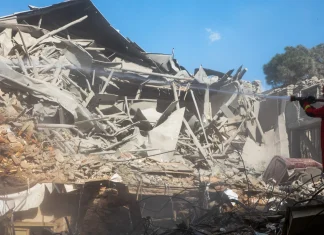
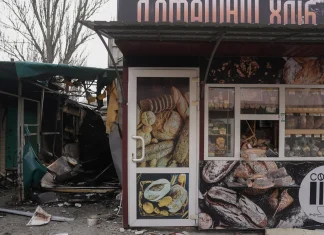
The dust in Tehran still hung low in the morning air, streaking sunlight into something like ash and memory. Window frames gaped where walls once stood. A child played near a scorched car, his fingers tracing the warped metal as if trying to read a map of what had just happened. In cities and capitals around the world, people checked their phones, caught the flash of a headline and tried to reconcile it with the pictures: America and Iran — enemies on the brink — now pausing their guns, if only for a heartbeat.
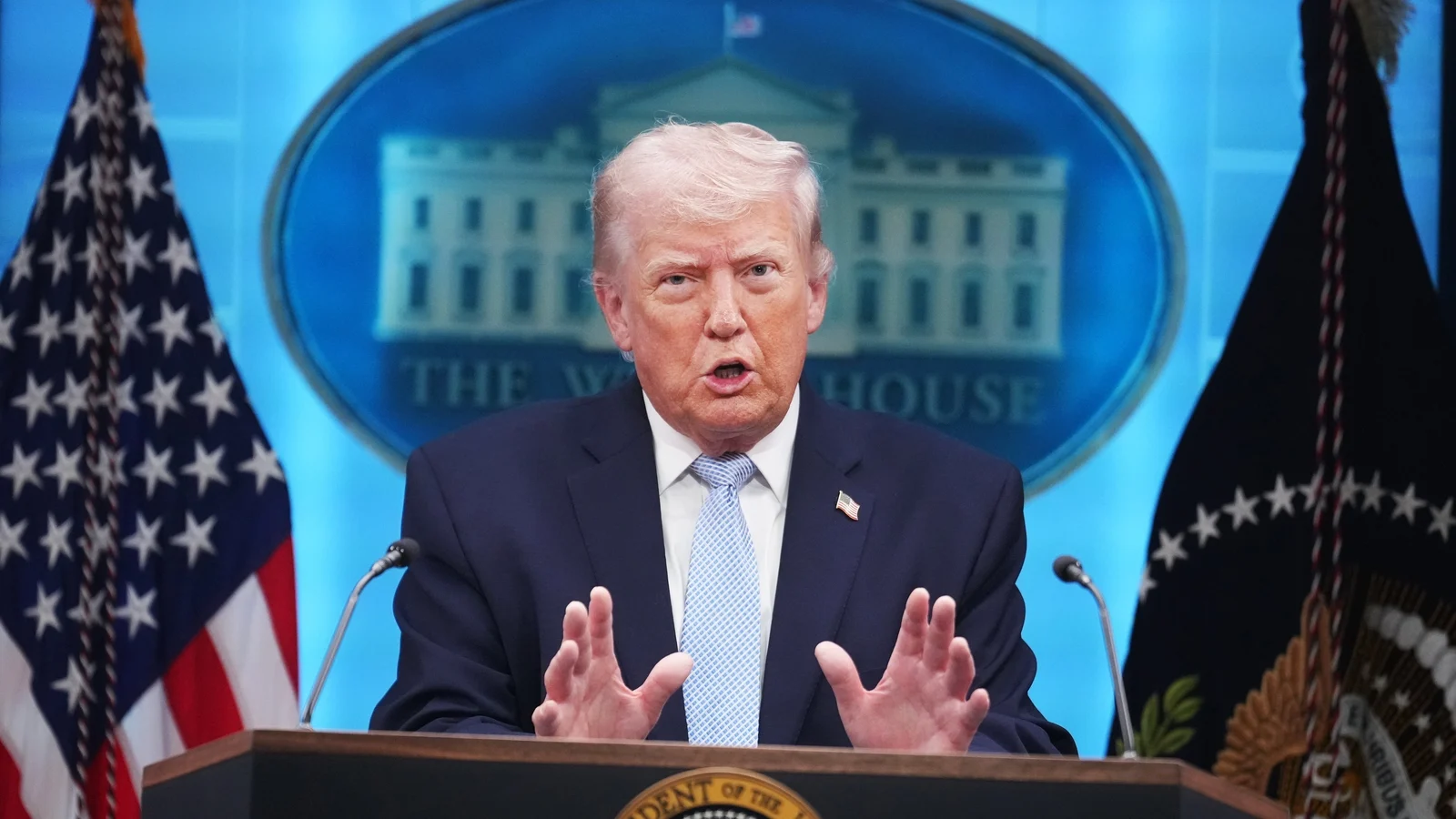
Late one evening, with the world watching the narrow throat of the Persian Gulf, US President Donald Trump posted that he had agreed to “suspend the bombing and attack of Iran for a period of two weeks.” The pause, he said, was conditioned on one concrete demand: Iran must fully reopen the Strait of Hormuz, the maritime funnel through which a sizeable portion of the world’s oil passes.
“This will be a double sided CEASEFIRE!” he wrote on his social platform. “We have already met and exceeded all military objectives, and are very far along with a definitive agreement concerning long-term PEACE with Iran, and PEACE in the Middle East.”
What’s on the table?
The text of the breakthrough — such as it is — was sketched in broad strokes: Iran submitted a ten-point proposal to Pakistan, which acted as an intermediary. Tehran’s Supreme National Security Council confirmed the two-week pause and said negotiations would begin in Islamabad on April 10.
According to Iranian state outlets, the proposal included provisions on three headline items:
-
Safe transit through the Strait of Hormuz;
-
Sanctions relief for Tehran;
-
Withdrawal of US combat forces from regional bases.
“We will stop our attacks if attacks against us stop,” Iran’s foreign ministry spokesman said in a carefully measured statement, noting that safe passage through the strait would be possible for two weeks in coordination with the Iranian armed forces. Officials in Tehran described the proposal as a “workable basis” that could be finalized during the pause.
Why the Strait of Hormuz matters
To anyone who studies global markets or watches tankers inch through narrow channels, the name Hormuz lands like a bell. The strait is one of the planet’s most critical chokepoints: roughly one-fifth of the world’s seaborne oil transits that passage. A disruption here ricochets through commodity markets, shipping insurance rates, regional economies and the daily bread-and-gas budgets of families from Seoul to Seattle.
“When a tanker slows at Hormuz, your gas pump can wobble,” said Leila Mansouri, a shipping analyst in Dubai. “It’s not just barrels and numbers — it’s people, supply chains, livelihoods.”
A fragile choreography: mediators, threats and missiles
Diplomacy arrived without the fanfare of a summit. Pakistan, long an interlocutor between Tehran and Washington, played the role of conduit — shuttling Tehran’s proposal to the US. Officials in Islamabad described their team as “practical and discreet.” One Pakistani diplomat, speaking on condition of anonymity, told me, “This isn’t glamourous. It’s about buying time to prevent escalation.”
Yet even as the ceasefire was announced, the ecology of war keeps moving. The Israeli military reported that missiles had been launched from Iran toward Israeli territory almost immediately after the US statement, and that defensive systems were operating to intercept the threat. If this sounds contradictory, that’s because it is: a pause in one register — the official one — can exist alongside eruptions in another.
“In modern conflict, you get parallel realities,” said Dr. Omar Khalil, a Middle East security analyst in London. “Negotiations and missiles can coexist for a time. The danger is that one destroys the space for the other.”
Voices from the ground
Walk the streets of Tehran now and you hear different kinds of talk. A teacher at a primary school, who asked to be named Fatemeh, told me she was cautiously hopeful. “Two weeks is nothing if it leads to our children going back to school without sirens,” she said, folding her scarf against the wind. “But it can also be a trap; two weeks can pass and the same men who started this will pretend they tried everything.”
On the Gulf coast, a captain of a small tanker—Hassan—said the crews are trained for danger, but this is different. “We were born under sanctions, we are used to waiting at anchor for days, but missiles and a shutdown of Hormuz — that is a new kind of fear. We are sailors, not soldiers.”
And in Washington, a White House aide who asked not to be named described the American calculus bluntly: “We wanted leverage over maritime freedom and over future negotiations. The two-week window gives the diplomats something to package.”
Numbers that matter
Let’s tether the drama to data. The Strait of Hormuz’s importance is not rhetorical: on average it sees transit of roughly 17–21 million barrels of oil per day in peak years, making it a keystone of global energy security. Even short disruptions have previously pushed up Brent crude by double-digit percentages in a week. Beyond hydrocarbons, regional trade and the flow of liquefied natural gas, bulk goods, and containerized cargo are all vulnerable.
U.S. bases dotting the region house thousands of personnel. Withdrawal of combat forces, as suggested in Tehran’s proposal, would not only be a tactical shift but a symbolic one; it would rearrange decades of American posture in the Middle East. Sanctions relief, meanwhile, would touch millions of Iranian lives — and global financial systems that have learned to dance around restricted banking corridors.
What happens next?
The two-week ceasefire is a delicate experiment. It could be a breathing space that lets negotiators stitch together an arrangement that addresses maritime transit, sanctions, and military footprints — or it could be a prelude to renewed violence if either side interprets the pause as weakness.
Will the negotiations in Islamabad produce a stable understanding that keeps tankers moving and people alive? Or will the pause simply shuffle actors into new positions for a later fight?
For citizens standing amidst rubble in Tehran, and for crew members steering through a strait that has borne the world’s anxieties for decades, those two weeks will be a test of whether high-stakes diplomacy can outpace the momentum of conflict.
Closing thoughts: a moment to reflect
We often talk about geopolitics in abstractions — sanctions, chokepoints, force postures — but the raw truth is simpler and harsher: families rebuild, sailors swallow fear, markets wobble and governments count the cost. A pause is a chance, but it is also a responsibility.
What will we do with these fourteen days? Will they become the beginning of a dialogue that reduces bloodshed and reopens commerce, or will they be another pause in an ever-turning spiral? As you read this, imagine the child in Tehran tracing a ruined car, and ask yourself: what would it take for our global systems to prefer quiet negotiations over loud explosions?
The world has been offered a small window. Whether it opens into a corridor of peace or slams shut in a louder moment of conflict will depend on the choices of diplomats, the demands of leaders, and the patience of people who simply want to live their lives free of sirens.