When the Sky Shook: Two Weeks That Broke the Calm in the Middle East
There is a particular hush that falls across a city when it knows it might be next. In Tehran, in Tel Aviv, in Beirut and along the glistening skyline of Dubai, that hush has become routine—broken only by the anxious glow of television screens, the clatter of relief shipments being loaded, and the restless chatter of people trying to make sense of a world they recognize but no longer trust.
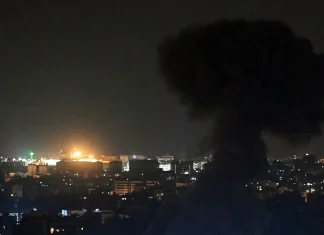
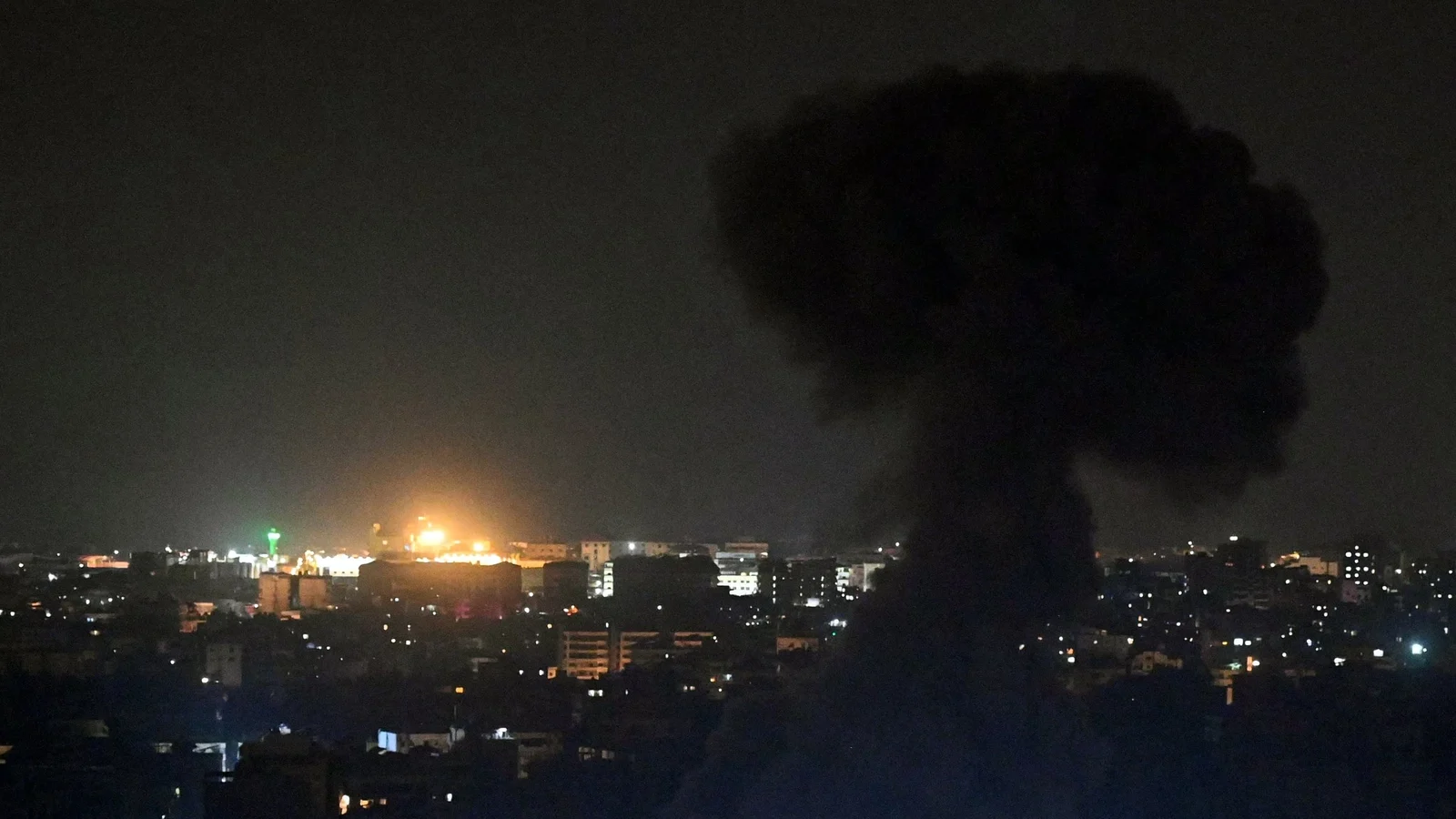
Two weeks into a widening conflict that has already killed thousands and uprooted millions, the region feels less like a map of nation-states and more like a pressure cooker: each strike, each declaration, each retaliatory volley increases the heat. Leaders posture. Markets wobble. Ordinary lives are remade in an instant.
Voices on the Ground
“You can feel the checkpoints being set up as if they’re stitching a different future,” said Laleh, a schoolteacher in northern Tehran, her voice low over a crackling phone line. “There are fewer cars at dawn. People walk faster. When the mosque speakers sound, it’s not the usual call to prayer—it sounds like an alarm.”
In Tel Aviv, a billboard with the face of the American president looms over a busy junction—an image meant to reassure some, to inflame others. “We wake up to missiles and to messages,” said Ahmed, a cab driver who grew up in Haifa and now ferries people between checkpoints. “I take fares, but some routes I refuse. It’s not worth getting stuck in a blast zone.”
Across the border in southern Lebanon, the streets smell of diesel and barbecue, reminders that life insists on continuing even when the horizon is on fire. “We shelter in basements, but people still queue for bread,” offered Rima, who runs a small bakery in Tyre. “The ovens are hot. The phones are hotter.”
What Leaders Are Saying — And What They Mean
On the diplomatic front, the rhetoric has hardened into threats and promises. Iran’s new hardline leadership has publicly warned of closing the Strait of Hormuz—a watery choke point through which roughly one-fifth of the world’s seaborne oil flows—unless neighbors shutter US bases on their soil. The message was blunt: comply, or risk escalation.
Israel’s government has signalled it will continue strikes on Iranian targets it believes underpin long-range weaponry, while the United States has publicly and repeatedly vowed to “destroy” what it brands a terrorist regime. The language is designed for domestic politics as much as for strategic signaling—demonstrating resolve to allies and to hungry domestic audiences while trying to deter further escalation.
“Words are weapons too,” observed Dr. Miriam Alston, a military analyst based in London. “When leaders speak of toppling regimes and of ‘unparalleled firepower,’ they aren’t just describing options. They’re shaping the battlefield of perception, which in turn shapes alliances, supplies, and investor behaviour.”
The Energy Chokehold: Why a Local War Turns Global
Energy markets have become the war’s loudest barometer. The Strait of Hormuz is not just geography; it is the artery of modern industry. Roughly 20% of the world’s crude oil that moves by sea passes through that narrow passage. When talk turns to its closure, traders respond in dollars and cents—oil shot up about 9% to hover around $100 a barrel in the days after the strike, after an earlier dip had sparked hope for a quick resolution.
Those higher prices cascade outward: gasoline pumps, airline tickets, shipping costs, even the price of food. The U.S. moved to ease some pressure by issuing a 30-day license to allow certain purchases of Russian oil stranded at sea—a temporary patch for a global system strained by conflict.
“We’re looking at short-term shocks with potentially long-term consequences,” said Chris Meng, an energy economist. “A month of spiking oil prices can tilt fragile economies toward recession and democracy-weariness. Two months and supply chains rethink sourcing. Beyond that, political realignments become possible.”
Market Ripples
- Oil: surged roughly 9%, flirting again with $100 per barrel.
- Stocks: the S&P 500 endured its largest three-day percentage drop in a month, as investors fled perceived risk.
- Shipping and insurance: premiums for Gulf transit have jumped, raising costs for global trade.
The Human Toll: Numbers That Must Be Names
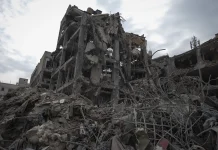
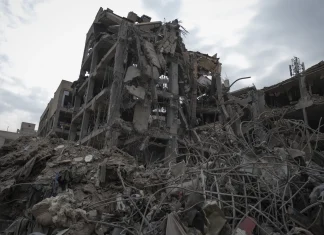
Numbers are blunt instruments, but they matter. Official tallies put the death toll at more than 2,000 people across the theatres of this confrontation—most of them in Iran—and nearly 700 in Lebanon alone. In a strike that sent shockwaves through the international community, a school in Minab was hit, killing at least 175 people, many of them children; early U.S. investigations point to a targeting error and outdated coordinates.
Behind each stat is a family, a funerary meal, a school desk left empty. “The children’s toys still sit on the floor,” said Hoda, whose niece attended the school in Minab. “We count the days since that laughter stopped.”
Refugee flows are another looming crisis. Families who have weathered decades of displacement now face new choices: flee again, or hunker down amid shortages and raids? Humanitarian corridors are congested, overstretched, and often dependent on the very nations engaged in the fighting to permit safe passage.
What Comes Next? Two Futures in Collision
We stand at an inflection point. One future is a slow burn: episodic strikes, localized escalation, economic pain that reshapes politics but doesn’t topple governments immediately. The other is a rapid, widening conflagration that draws in regional proxies and global powers, rupturing oil markets and igniting mass displacement.
“We are not on autopilot,” said Ambassador Najib Karim, a retired diplomat who has mediated in the region. “Strategies, not fate, will decide whether this is contained. The question is whether cooler heads can coordinate—now, while lines of communication still function.”
That coordination requires more than nightly briefings. It needs humanitarian prioritization, clear channels for de-escalation, and honest accounting from the powers involved. It also requires the public—wherever you are—to demand transparency about civilian harm and the true costs of military adventures that are too often sold as tidy victories.
Questions for the Rest of Us
What do we owe the civilians caught in a war’s crossfire? How do global markets and electoral politics shape the decisions that lead to bombing runs and blockades? And finally: when energy becomes leverage, who pays the price and how can the world build resilience against weaponized supply chains?
Walking the streets of cities on edge, you can taste the impatience and the fear. You can also see the small acts that stitch communities together: neighbors sharing water, bakers keeping ovens lit, volunteers ferrying the wounded. If there is a lesson in the first two weeks, it’s this: global geopolitics read like headlines, but they are lived as intimate acts of survival.
As the immediate shocks reverberate through markets, policy rooms, and living rooms, remember that beyond strategy and statistics lie lives, stories, and futures. We can count barrels and missiles. But if we do not count the people—really count them—we risk letting the hush become permanent.