At the White House Door: A Rift in the Transatlantic Bond
Late on a humid Washington afternoon, Mark Rutte — the Dutch prime minister turned NATO secretary-general for this awkward, critical moment — walked out of the White House with a face that carried the weight of more than a two-hour conversation.
Inside, the exchange had been blunt. Outside, reporters waited like vultures. Between the two, an alliance that has for 75 years promised mutual defense and steady reassurance found itself looking uncertain in the mirror.
“He is clearly disappointed with many NATO allies, and I can see his point,” Mr Rutte told CNN after the meeting. “This was a very frank, very open discussion, but also a discussion between two good friends.”
The frankness is the point. For decades, NATO has been the architectural spine of Euro‑Atlantic security: 32 nations with a collective promise that an attack on one is an attack on all. Yet within that structure, recent events have cracked open old tensions and revealed new ones — not least over what role, if any, the alliance should play far from its traditional theater.
When the Strait of Hormuz Became NATO’s Rubicon
The immediate trigger was a military standoff in the Middle East. Following a dramatic round of strikes between the United States and Iran, Washington asked allies for logistical and naval support — requests that many European capitals met with hesitation, some with outright refusal.
Planes were grounded; airspace was denied. Navies that have long sailed under the NATO flag stayed away from a contested waterway that carries a fifth of the world’s seaborne oil. “They were tested, and they failed,” White House spokeswoman Karoline Leavitt quoted President Trump as saying — a line that landed like a gavel in a court already half in session.
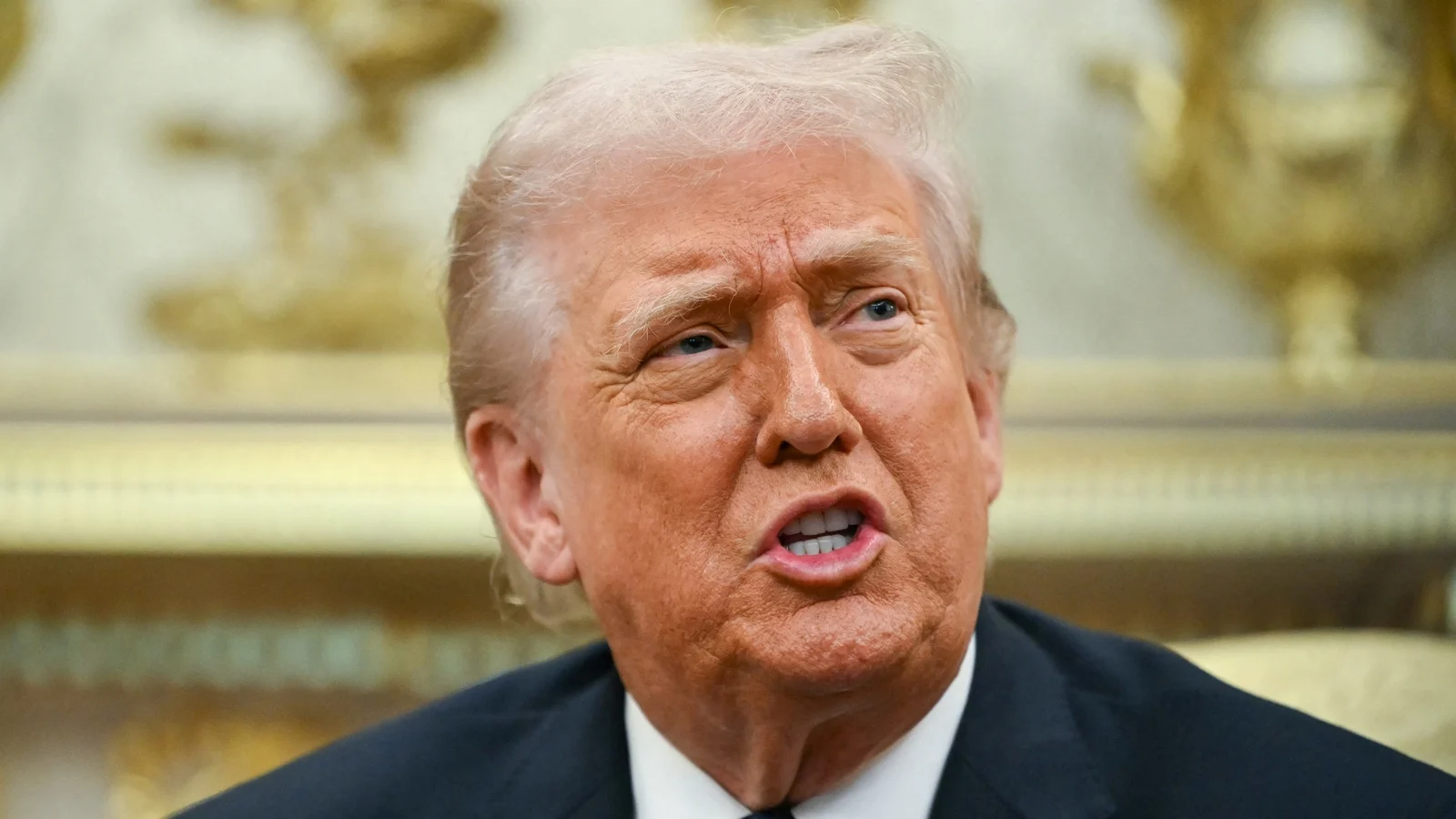
President Trump took to Truth Social after the meeting: “NATO wasn’t there when we needed them, and they won’t be there if we need them again.” It was the kind of public rebuke that leaves little room for diplomacy’s softer tones.
The Practicalities and the Politics
Why the reticence? For many European capitals, NATO is a defensive alliance focused on North America and Europe — not a vehicle for projecting U.S. force into Middle Eastern crises. For others, the calculus was also domestic: governments faced public skepticism about being drawn into another distant war, while militaries were already stretched thin by commitments to Ukraine and homeland defense.
“We’ve seen this pattern before,” said a senior European diplomat, who spoke on condition of anonymity. “The U.S. asks for support. Europe weighs risks at home. There’s no neat answer when commitments collide.”
Some facts help anchor the mood: NATO was founded in 1949. Today it counts 32 members. The United States accounts for roughly 70% of the alliance’s total defense spending, and Washington’s push for “burden‑sharing” has been a recurring theme in transatlantic politics. The alliance’s guideline that members spend 2% of GDP on defense has been met unevenly; since 2014, most European members have increased spending, but debates persist about who is doing enough.
Voices on the Ground: Anxiety, Anger, and Reflection
In Brussels, a barista at a café near NATO headquarters summed up a common, quieter emotion: “People here talk about NATO like it’s part of the furniture. But now the furniture is wobbling.” Her name was Lina; she’s 28, Dutch, and her family has served in the armed forces for generations.
“My father says if America walks away, Europe has to wake up,” she added. “But waking up costs money and political will.”
At a think-tank in London, Oana Lungescu — a former NATO spokesperson now with the Royal United Services Institute — didn’t mince words: “This is a dangerous point for the transatlantic alliance,” she said. “Trust is not infinitely renewable.”
A retired French naval officer, sipping coffee in Toulon, rolled his eyes at the word “failure.” “We didn’t refuse to help because we don’t care,” he said. “We refuse to be dragged into operations that have unclear objectives and no endgame. That’s prudent, not betrayal.”
A Friendship Strained, Not Broken
Despite the heat, Mr Rutte has cultivated a surprisingly warm rapport with President Trump; last year he even joked about the president as a sort of rough‑and‑ready headmaster. Many diplomats describe Rutte’s approach as deferential but practical — the tone of someone who is trying to calm a nervous class without conceding the lesson plan.
“Rutte kept saying we need to keep the channels open, to be honest, to set expectations,” said a European official who attended preparatory meetings. “That’s what he did in the Oval Office — honesty, but not hostility.”
Global Ripples: Energy, Arms, and the Big Picture
This dispute is not merely about pride. The Strait of Hormuz is a global artery. In 2023, around 20 million barrels of oil a day traversed that waterway — disruptions there ripple through markets and households from Mumbai to Milan.
There are also implications for Ukraine. Supplies of U.S. weapons are finite, and re‑directing munitions to another theater would force painful decisions about where to prioritize. European nations that see Ukraine’s defense as existential are alarmed by any sign Washington’s focus might shift.
“Every time the U.S. pivots, allies have to adjust,” said Dr. Miriam Al‑Khalidi, a security analyst. “That can mean short-term gains for Washington’s leverage, but long-term erosion of predictability. For small and medium states, predictability is a currency.”
Questions That Linger
What does NATO mean in the 21st century? Is it a mutual-defense pact tightly focused on Europe’s eastern flank, or a broader security umbrella that can be asked to operate in hot spots across the globe? Who decides, and how much autonomy should national capitals retain when commitments collide?
Ask an Estonian veteran and you’ll hear urgency about Russia. Ask a Greek shipping magnate and you’ll learn about commerce and chokepoints. Ask a Polish farmer and you’ll be told: “We just want our children safe.” The answers are many, sometimes conflicting, and always human.
Paths Forward
There are choices on the table. NATO could reassert its Europe-first mandate, prompting ad hoc coalitions for out-of-area contingencies. Alternatively, it could widen its remit — a path that would likely require clearer rules, more resources, and new consensus mechanisms.
For now, the alliance limps forward with bruises. Mr Rutte and President Trump talked, and they will talk again. Whether the conversation becomes the start of honest repair or the prelude to deeper rupture will depend as much on quiet diplomacy in the halls of capitals as on the loud pronouncements on social media.
What do you think? Is NATO still the bedrock of transatlantic security, or is it time to imagine new arrangements for a multipolar world? The answer may determine not just the future of alliances, but whether the old promise — that an attack on one is an attack on all — holds when it is needed most.
- Key fact: NATO has 32 members and was founded in 1949.
- Key tension: disagreement over supporting U.S. operations in the Middle East, including access to airspace and naval deployments.
- Big picture: debates over burden-sharing, defense spending, and the alliance’s global role are intensifying.