When Phone Lines Redrew a Map: A Call That Changed Everything — Or So It Seemed
There are phone calls that are merely administrative and there are those that feel like the opening lines of a new chapter. Last week, from the quiet of the Oval Office to the corridors of power in Caracas, a long, carefully stage-managed conversation threaded two capitals together and, for a few breathless hours, made the world feel smaller and much more uncertain.
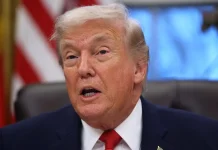
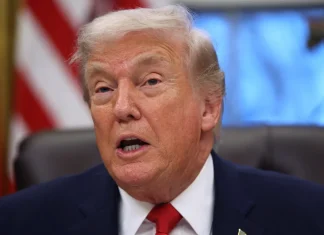
“We just had a great conversation today, and she’s a terrific person,” President Donald Trump told reporters, breaking the kind of public silence that has defined the months of upheaval across Venezuela. He later wrote that the call covered “many topics,” from oil and minerals to trade and national security — the kind of list nations use when they’re negotiating more than words.
A strange new choreography
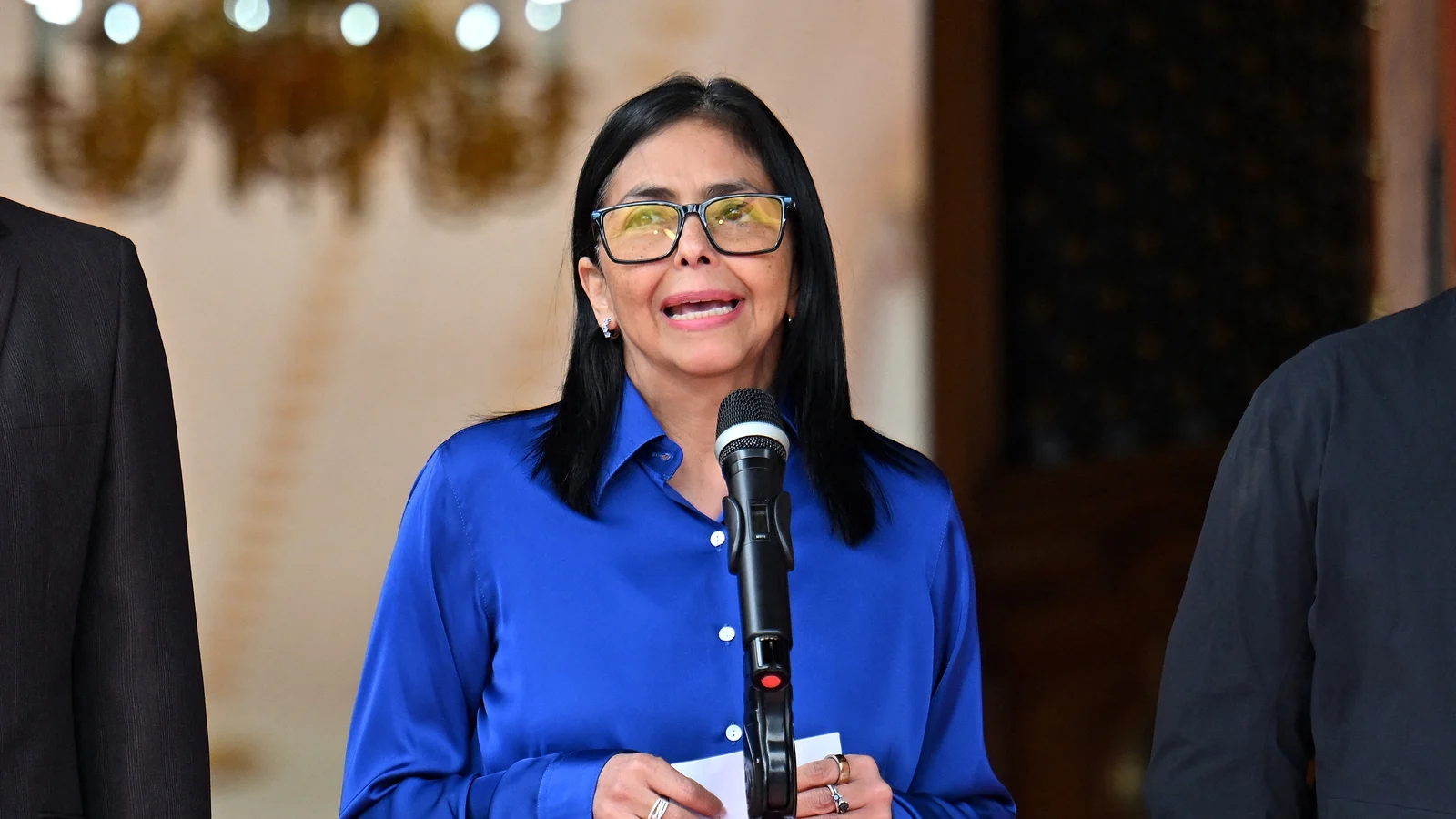
The drama that frames that line is extraordinary: the sudden capture on 3 January of Venezuela’s embattled president, Nicolas Maduro, in what US officials have described as a US special forces operation that turned deadly. According to the accounts circulating in Washington and Caracas, the event left a vacuum; into that vacuum stepped Delcy Rodríguez, Maduro’s former deputy, nudged into the role of interim president.
What followed reads like a manual for modern-statecraft improvisation. A US president whispering overtures on a secure line. An interim leader trying to keep one foot in Washington and the other in the harsh, factional reality of Venezuela’s security forces. A country that in the space of a month has become the world’s most watched — and most disputed — political theater.
Tightropes, Telegrams and the language of diplomacy
Rodríguez, in a Telegram post that mixed official restraint with a diplomat’s polish, called the call “productive and courteous” and said it was marked by “mutual respect.” She framed the conversation as the beginning of “a bilateral work agenda for the benefit of our people, as well as outstanding issues in relations between our governments.”
For many Venezuelans, both the wording and the optics were a study in property: of language, of power, of survival. “It’s a tightrope,” said María Calderón, who runs a small bakery in the eastern Caracas barrio of Petare. “One misstep and you are crushed by the baggage of loyalties and histories. She has to keep the military, the party faithful, and now, apparently, Washington, all in the same room.”
Oil, oversight and the promise of years
At the heart of much of the speculation is oil. President Trump reportedly put an opening condition on Rodríguez’s succession: US access to Venezuelan oil. He has even suggested — publicly and privately — that Washington could maintain oversight of Venezuela for years. Those are big ambitions spoken against the backdrop of a country whose crude fields are both enormous and deeply politicized.
Analysts say such ambitions ignore the messy realities on the ground: factions in the military, paramilitary groups, local governors with entrenched power, and a population exhausted by hyperinflation and scarcity. “Control is not a switch you can flip from a hemisphere away,” said Diego Alvarez, a Caracas-based political economist. “Any lasting arrangement has to reckon with local loyalties and the very real possibility of continued unrest.”
Prisoner releases: numbers, optics, and reality
One of the more immediate signs that a new political wind might be blowing has been a steady trickle of prisoner releases. Rodríguez has claimed that 406 political prisoners have been freed since December, describing the process as “ongoing.” Independent rights groups tell a different story: Foro Penal, the well-known NGO defending detainees, reported around 180 freed, while AFP’s tally — compiled from NGOs and opposition parties — counted about 70 released since the fall of Maduro.
- Rodríguez’s claim: 406 freed since December
- Foro Penal estimate: ~180 freed
- AFP count: about 70 released since Maduro’s fall
Those discrepancies matter. They are the kind of numbers activists and families obsess over because they determine whether loved ones are home, or still behind bars. “We wait at the gates, we call, we listen to rumors,” said Ana Pérez, who has been camped outside a detention center in Boleíta for weeks, clutching a faded photograph of her brother. “They release people at shopping centres, in the middle of the night. It’s as if freedom must be privatized to be safe.”
The quiet theatrics of release
The authorities, eager to avoid scenes of jubilant protest, have been releasing detainees far from the television cameras and relatives. Journalists have been among those freed — a group of 17 media workers was released in one wave, including Roland Carreño, a journalist and opposition activist detained the previous August. In a video shared by a fellow freed journalist, Carreño called for “peace and reconciliation.”
Not all releases have been filmed as triumphs. Enrique Márquez, a former presidential candidate, was driven home in a patrol car, his freedom delivered in the same vehicle that once carried his jailers. “They take your footage away and give you back your life in pieces,” a former detainee told me, speaking under the condition of anonymity. “We stitch those pieces together the best we can.”
Exiles, Nobel laureates and the odd politics of prizes
There are other actors in this unfolding story. Maria Corina Machado, a leading opposition figure who has been living in exile, is scheduled to meet with President Trump. Machado, who reportedly collected the Nobel Peace Prize last year after escaping Venezuela by boat, has been a lightning rod for both supporters and detractors.
“I understand she wants to do that. That would be a great honour,” Mr Trump said, reportedly reacting to Machado’s offer to share the Nobel Prize with him — an odd diplomatic flourish that the Nobel Institute quickly undercut by reminding the public that the prize cannot be transferred.
For Machado’s supporters, her brief presence on the global stage is a symbol of resistance. For others, it reflects the strange theater of modern politics, where awards, exile, and meetings with heads of state all become part of a larger narrative about legitimacy and choice.
Beyond the phone call: what does a ‘new political era’ look like?
Rodríguez declared a “new political era” marked by greater tolerance for “ideological and political diversity.” The phrase is optimistic; the reality will be harder to define. Will freedom of the press be rebuilt? Will political opponents walk the streets without fear? Will basic goods return to the markets? These are not rhetorical questions for Venezuelans scraping for essentials; they are existential.
There are larger forces in play as well. The tug-of-war over Venezuela is a microcosm of global trends — resource competition, questions about sovereignty, and the increasing willingness of external powers to shape outcomes far from their borders. How nations navigate these pressures will shape not only Venezuelan lives but also norms about intervention and political transitions across the region.
What next?
There is no single answer. Maybe this phone call opens a pathway to negotiations that ease suffering and create space for a peaceful political settlement. Maybe it is an interlude, a negotiated pause in a longer conflict. Or maybe it signals the beginning of a different kind of competition altogether — one fought in boardrooms and oil fields as much as in streets and tribunals.
As you read this, consider what stability truly means for a nation that has weathered years of economic collapse and political fracture. Is a transition that is brokered from afar likely to hold? Or does durable peace require the messy, local work of rebuilding trust and institutions?
Caracas hums on: vendors flip arepas on street carts, traffic blares at midday, and neighbors trade news on stoops. In the city’s rhythm there is a stubbornness that no political gambit can erase. Whether that persistence becomes the seed of renewal or the echo of deferred hopes depends on the choices made in the coming weeks — choices that will be watched not just here, but around the world.