When Diplomacy Meets Dissonance: A Tale of Two Voices on Iran
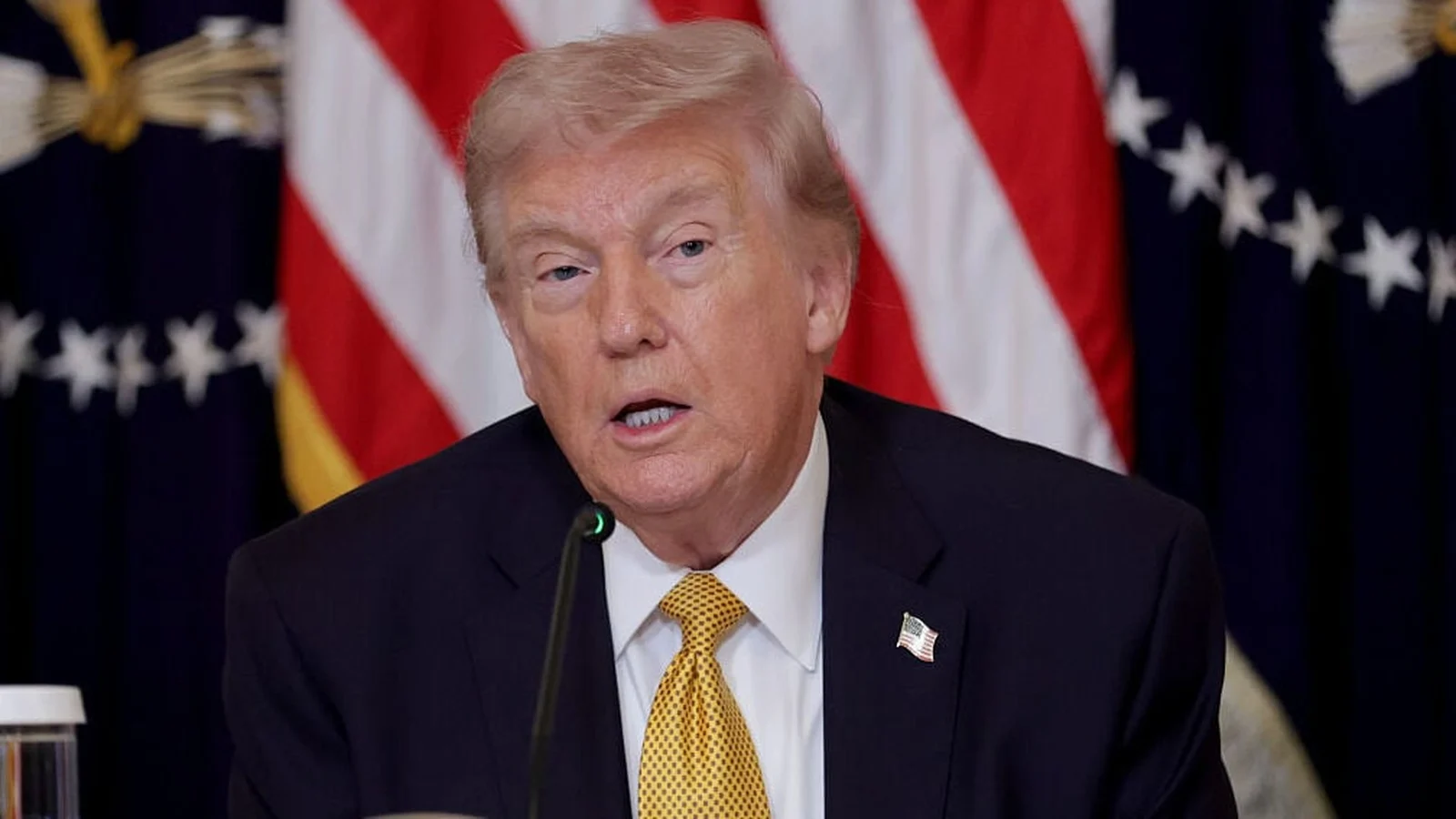
There are moments when a single sentence fractures the air and reveals more than the speaker intends. “They want talks, but their leaders are all dead,” a recent, blunt remark from former U.S. President Donald Trump, did exactly that — not because it settled an argument, but because it opened up a thousand questions about intention, power and the strange theatre of modern diplomacy.
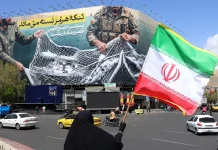
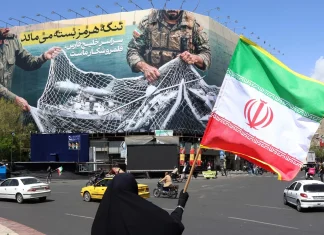
From Tehran’s river of traffic and bazaars that smell of saffron and diesel, to the marbled halls of Washington think-tanks, the juxtaposition could not feel sharper: an Iranian government signaling willingness to sit at the table, and a loud American voice treating that offer as if it were a curious relic rather than a live possibility. The result is a study in contradictions — and a reminder that words, once cast into the wind, stir more than winds of policy.
What Iran is Saying — and What It Means
Over the last several years Tehran has oscillated between brinkmanship and outreach. Since the United States’ 2018 exit from the Joint Comprehensive Plan of Action (the JCPOA), Iran has taken a series of steps to push back — ramping up uranium enrichment at times, tightening its regional alliances, and weathering staggered sanctions that have battered its economy.
Yet beneath the bluster, Iranian officials have intermittently signaled a willingness to negotiate. “We are open to discussions that respect Iran’s sovereignty and our right to peaceful nuclear energy,” a senior Iranian diplomat told me over the phone on condition of anonymity, citing the need to avoid inflaming domestic politics. “But these talks must restore what was lost — not simply give more concessions.”
For many inside Iran, that posture is pragmatic rather than romantic. After years of sanctions, layers of mistrust, and fluctuating oil revenues, the average Iranian household is bruised by economic realities: the population of roughly 86 million has lived with waves of double-digit inflation, currency volatility, and shrinking real wages. Business owners eye opportunity, not slogans. “We want stability,” said Leila, who runs a small carpet shop near Tehran’s Grand Bazaar. “More people in the street buying, less talk of war. If officials can sit and make things better, we will welcome it.”
Trump’s Line and the Echoes It Creates
That is why Trump’s quip landed like a stone in a pond: not only provocative, but also reductive. The former president’s rhetoric — a hallmark of his political style — frames Iran as a monolith of hollow leaders rather than a nation of millions, competing institutions and reluctant moderates. Whether intentional or rhetorical flourish, such statements can harden positions on both sides.
“When an influential figure uses language like that, it narrows the space for diplomacy,” said Dr. Miriam Sachs, a Middle East analyst at a Washington policy institute. “It’s less about the literal truth of the phrase and more about the psychological effect: it can make rivals posture, and make moderates in Tehran worry that compromise will be punished politically.”
Trump’s remark also ripples regionally. In capitals from Riyadh to Ankara, policymakers watch Washington’s words as carefully as they watch its actions. A dismissive tone toward Iranian leadership risks emboldening hard-liners and delegitimizing those in Tehran who favor engagement.
Voices on the Ground
Across the border in Iraq, which has endured the grind of proxy clashes and foreign intervention, young people view the exchange through a lived prism of instability. “Every talk, every tweet — it affects our electricity, our jobs, our safety,” said Hassan, a 28-year-old civil engineer in Baghdad. “We don’t want to be pawns in an argument between old men in suits.”
And in the United States, the response is fractured along familiar lines. Supporters of hawkish policies argue that tough talk keeps deterrence tight; advocates for engagement say words should pave the way to verified agreements that curb nuclear risk while alleviating civilian pain. “You can’t have a credible negotiation if one side treats the other like a corpse to be buried,” joked an American foreign-policy advisor I met at a conference. “Talks require respect — or at least a belief that the other side is real.”
Hard Numbers, Hard Choices
It helps to ground this in data. The JCPOA, signed in 2015, temporarily curtailed Iran’s nuclear capabilities in exchange for sanctions relief; in 2018 the U.S. withdrawal reimposed heavy sanctions that cut Iranian oil exports sharply and contributed to an economic squeeze. Iran has at times enriched uranium to high levels — 60% purity was publicly announced in 2021 — a technical step away from weapons-grade enrichment, though Tehran has repeatedly insisted its program is for peaceful purposes.
Sanctions and geopolitical pressures have not only hit macroeconomics; they have reshaped daily life. Unemployment, fluctuating oil revenues and restricted access to global finance have affected ordinary Iranians in myriad ways. That reality drives the political calculus in Tehran, where pragmatists argue that negotiation is a mechanism for relief, and hard-liners counter that concessions make the country vulnerable.
What Could Happen Next?
The scene we’re witnessing now — outreach on one side, hard rhetoric on the other — could slide in several directions. It might prompt serious, mediated talks that include verifiable limits, inspections and sanctions relief. Or it could entrench positions, fueling proxy incidents in Yemen, Syria and Iraq, and spiking tensions in the Strait of Hormuz. The stakes are not just regional; unchecked escalation affects global energy markets, refugee flows and the risk of miscalculation between nuclear-adjacent states.
How do we, as global citizens, weigh these outcomes? Do we prefer the bluntness of deterrence or the messiness of negotiation? Is dignity in foreign policy a luxury, or a necessity?
Why This Matters to You
Because the ripple effects are practical and pervasive. A confrontation in the Persian Gulf can raise gasoline prices on your street. A successful accord could lower those prices and open markets for cultural exchange. And perhaps most importantly, it decides the tone of international politics — whether we default to disdain or strive for engagement.
So when a public figure dismisses an offer of talks with a line crafted for headlines, look beyond the wink. Ask: who benefits from this rhetoric? Who is silenced? And who has the authority to turn words into deeds?
Closing Thoughts
Diplomacy is never tidy. It is a messy, human business where misstatements matter and gestures count. If Iran’s leaders are sincerely exploring dialogue, as some signals suggest, the global community stands at a crossroads: to cultivate channels that can defuse risks and restore livelihoods, or to allow performative toughness to harden the world into more dangerous lines.
As you watch the next round of statements, tweets and press conferences, consider the neighborhood this rhetoric shapes — not just the halls of power, but the bazaars, factories and hospitals where people live the consequences. Which path do you want your leaders to choose?