The sky as a scoreboard: how an aerial campaign reshaped a region overnight
There are moments when the world tilts, when the map feels smaller and the air carries a different kind of weight. In those hours, headlines are not enough. You want to know what it smells like on the ground, what people whisper over church and mosque, what the air force’s flight paths look like from a child’s rooftop.
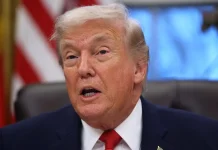
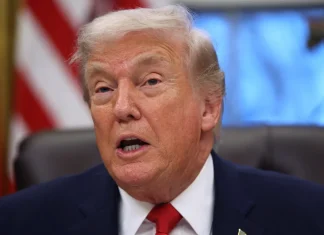
That is where we are now: a conflict that began with an orchestration of missiles and bombs that Washington describes as surgical and swift, and that Tehran calls an apocalyptic insult. President Donald Trump has framed the operation in blunt, unmistakable terms—threatening a new “big wave” of attacks and refusing to categorically rule out the age-old, politically freighted option of putting boots on the ground.
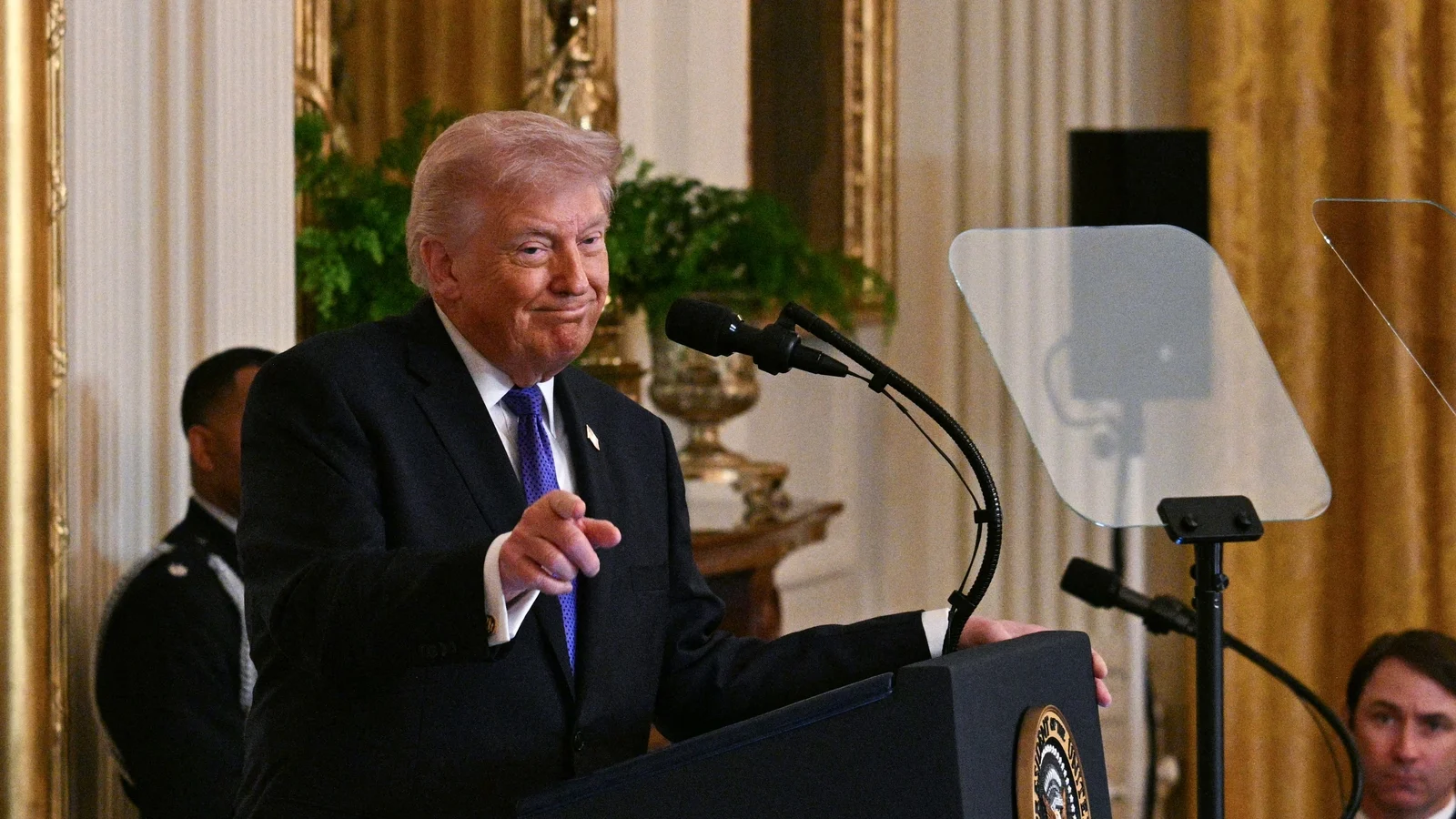
“I don’t have the yips with respect to boots on the ground,” Mr. Trump told reporters in comments that felt equal parts admission and warning. “Every president says, ‘There will be no boots on the ground.’ I don’t say it.”
A war of missiles and messages
So far, the fighting has been fought from the sky. U.S. and allied forces—cooperating closely with Israel, Washington says—have struck “hundreds” of targets inside Iran, hitting missile stocks, naval installations and command-and-control nodes that military briefings say were legitimate military objectives.
The human toll is already visible. Four U.S. service members have been announced killed, and three U.S. fighter jets were lost—officials say to tragic friendly fire. Iran has answered with missile salvos at Israel, U.S. facilities across the region, and, in a move that surprised many, strikes that reached into Bahrain, Jordan, Kuwait, Qatar and the United Arab Emirates.
“We haven’t even started hitting them hard. The big wave hasn’t even happened,” Mr. Trump told CNN, adding, with characteristic theatricality, “The big one is coming soon.” Whether that means more aerial bombardments, expanded targets, or the stepped-up involvement of proxy forces remains the subject of fevered debate among analysts and diplomats alike.
The White House calculus
Within the West Wing there seems to be a two-part framing: military action as necessity, and a limit to political ambition. “This was our last, best chance to strike… and eliminate the intolerable threats,” Mr. Trump said, invoking a sense of grim finality. Yet he also echoed a timetable that has floated in briefings—four to five weeks—a window that suggests a contained campaign rather than an open-ended occupation.
That timetable is partly salesmanship and partly a hedge. “We’re already substantially ahead of our time projections,” the president said, allowing for the possibility that the campaign could last “far longer than that.” For a White House that campaigned on ending costly entanglements, the balancing act is political as well as military.
From the Pentagon podium
Defense Secretary Pete Hegseth has been explicit about the administration’s strategic boundaries: “No stupid rules of engagement, no nation-building quagmire,” he said, aiming to reassure a domestic audience tired of long wars in Iraq and Afghanistan. “We fight to win and we don’t waste time or lives.”
General Dan Caine, the U.S. military’s top officer at recent briefings, declared that air superiority has been established over Iran, a claim meant to underscore control of the battlespace and to reassure U.S. forces and allies.
Voices from the neighborhoods and bazaars
If strategy is a chessboard, everyday lives are the pieces most easily knocked off. In Tehran, a carpet merchant named Amir stood outside his shuttered shop midmorning, hands stained with yarn and disbelief. “My daughter asked me if the sky was angry,” he said. “I told her the sky is always the mirror of those who have the power to break it.”
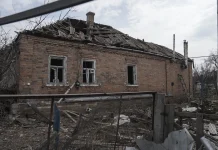
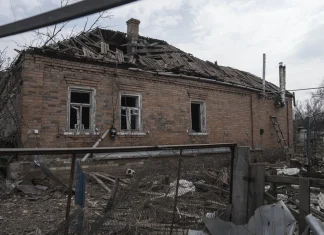
On the southern coast, down where fishermen mend nets and coffee is brewed dark and sweet, a woman named Fatemeh spoke in quieter terms. “We came to the roof when we heard the noise,” she recalled. “Neighbors lit candles because the power cut out. You think of the children. You think of the old men. War is not numbers on a briefing—it is someone’s grandson.”
Across the Gulf, in a dusty suburb outside Manama, a Bahraini taxi driver named Hassan complained about the ripple effects. “Petrol prices go up, flights get delayed, our peace of mind gets taxed,” he said. “We do not want to be a battlefield for others.”
What the logistics say—and what they don’t
Analysts have raised practical questions that strain past platitudes about military supremacy. Can even the world’s most powerful military sustain a high-tempo aerial campaign for months? Where will the ammunition come from? How many precision munitions can be expended before pressure builds at home and fractures appear among allies?
One defense analyst, who asked not to be named to speak candidly, told me, “It’s not just about having planes. It’s about missiles, sensors, spares, fuel, and the political will to accept collateral damage. Air campaigns are hungry beasts.”
These logistical questions are not academic. In the last two decades, shortages and stretched supply chains have forced militaries to ration capabilities or change tactics mid-campaign. If the U.S. intends to “go far longer,” as the president suggested, those realities will quickly come into focus.
Regional and global fault lines
Beyond tanks or pilots sits a wider terrain: the contest between great-power influence, regional security architectures, and the long shadow of nuclear proliferation. Iran’s missile programme and suspected nuclear ambitions have been at the center of international concern for years; this confrontation risks accelerating paths toward escalation, whether through proxy groups in Lebanon and Yemen or through miscalculation at sea.
Moreover, the spectacle of a U.S. president—who campaigned on withdrawing from “dumb” nation-building wars—now promising a potentially extended campaign raises questions about the political logic that drives modern interventions. Is the threshold for engagement shifting? Are domestic political incentives reshaping foreign policy in ways that make restraint harder to sustain?
Questions we should all be asking
This is not a time for easy certainties. It is a time to ask hard questions: What is the endgame? How will civilians be protected? What mechanisms are in place to de-escalate—diplomatic backchannels, third-party mediators, humanitarian corridors? And, perhaps most important for global citizens, how will this reshape regional alliances and the norms of state behavior?
War writes itself into the fabric of ordinary life. It changes a child’s play, a market’s rhythm, the way voters count costs. We should be listening to the negotiators and watching the strategists, yes—but also hearing the voices from kitchen tables, roof terraces, and coffee stalls.
There will be official briefings and expert analyses in abundance. There will be maps and timelines and statistics. But if you want to feel what this moment truly is, look and listen where people live: in shadowed alleys, in lit living rooms, in the hush that settles after a siren fades.
What would you do if the sound of the sky changed where you live? How close is the line between security and escalation? The answers we find may shape not just a campaign’s duration, but the kind of world we leave to the next generation.