A City That Refuses to Sleep: Morning in a Region at War
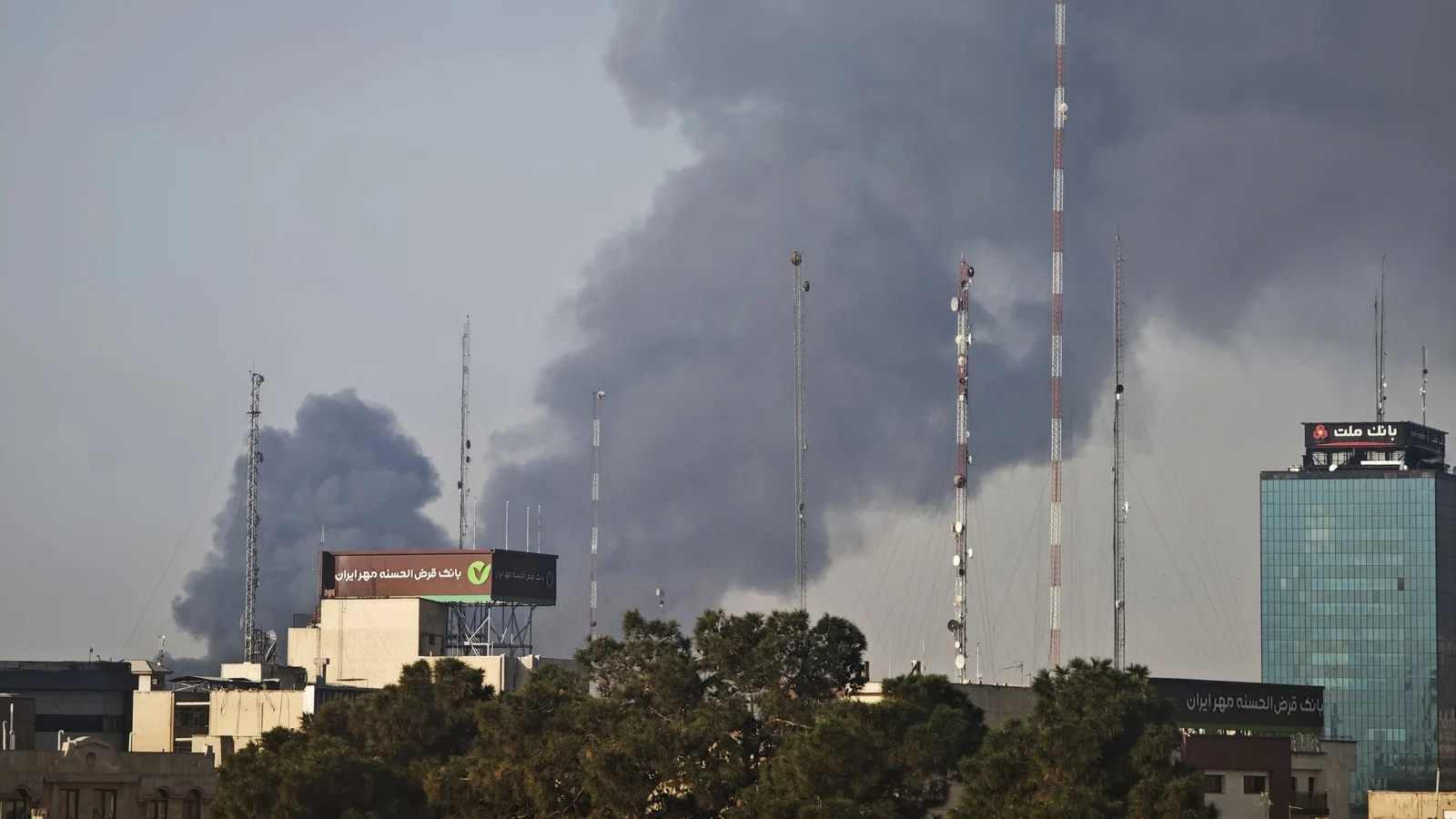
Tehran’s streets woke to a sky smeared with smoke and the dull rumble of a city that has learned to sleep lightly. Shopkeepers unlatched shutters with fingers that still trembled, women adjusted headscarves as if buttoning themselves back together, and the urgent clatter of taxi radios stitched small threads of news into the air.
“We cooked breakfast as if it were any other day,” said a grocer near Enghelab Square, his voice low. “Then the sirens cut the bread into silence.” He asked not to be named for fear of attention. “We all know someone sheltering. We all know someone who didn’t come home.”
This is the seventh day of a conflict that has already escaped the map of any single front line. What began as a tit-for-tat sequence of strikes has widened into a regional storm: Iran, Israel, Lebanon, Iraq, Gulf monarchies and beyond have been drawn in, and the spillover is being felt across seas, oil markets and the fragile routines of ordinary life.
The Spark and the Shouts: Leadership, Rhetoric, and Escalation
At the center of the whirlwind is an extraordinary sequence of events that punctured long-held assumptions about restraint in the region. Following reports that Iran’s supreme leader was killed last weekend, military responses and retaliatory strikes cascaded through countries and proxies that have long been part of an uneasy ecosystem of influence and deterrence.
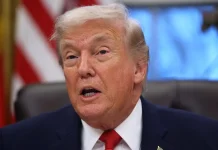
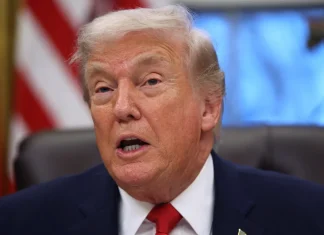
On the global stage, the rhetoric has been stark. Former US President Donald Trump wrote on his platform that “There will be no deal with Iran except UNCONDITIONAL SURRENDER,” a line that sent shockwaves not only through the region but also through financial markets. The main US crude benchmark spiked by roughly 11% after the comment—an immediate reminder of how words from powerful mouths can move commodities and nerves in equal measure.
United Nations Secretary-General António Guterres has warned that the situation could “spiral beyond anyone’s control,” pressing for urgent diplomacy. Yet even as the UN urges negotiation, other officials sounded a different drumbeat: Israel’s military chief declared his forces were “crushing the Iranian terrorist regime,” while US defense officials signaled further escalation was imminent.
The Human Toll: Cities Under Fire
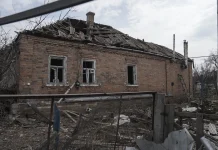
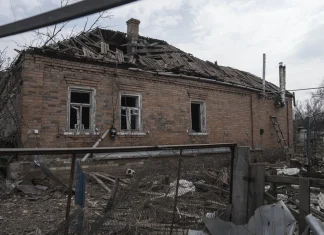
Numbers anchor the news but cannot contain the human stories. Iran’s health ministry, in figures not independently verified, reported nearly 926 dead from the US and Israeli strikes. In Israel, first responders say at least ten civilians were killed. The US military has reported six of its personnel killed in the opening waves.
Lebanon, long fragile and scarred by past wars, has been thrown back into the crucible. The prime minister, Nawaf Salam, warned of “a looming humanitarian disaster” as Israeli strikes hammered the south and large parts of Beirut’s southern suburbs—neighborhoods hosting hundreds of thousands and often seen as emblematic of Lebanon’s fractured identity.
Humanitarian agencies painted a bleak picture: the Norwegian Refugee Council estimates some 300,000 people have been displaced within Lebanon alone, and the UN refugee agency has declared the situation a major humanitarian emergency. Two UN peacekeepers from Ghana were critically wounded when their base was hit in southern Lebanon—an emblem of how multilateral efforts meant to steady the region are themselves under strain.
Voices from the Ground
“I am trembling every time I hear a plane,” said a nurse in Beirut who spent the night bandaging wounds in a makeshift clinic. “We run toward the injured and away from the bombs. Sometimes our feet don’t know what to do.”
On the Israeli side of the border, an elderly man in a small town near the frontier spoke of nights filled with blasts. “You learn to hold your breath until the all-clear,” he said. “But then you count the empty chairs at the table.”
A Region Dragged In: Iraq, the Gulf, and Beyond
Iraq has once again become a theatre of proxy contestation. Multiple airports were struck, including a Baghdad complex housing a military base and a US diplomatic facility. The US embassy in Baghdad warned of potential attacks on hotels in Iraqi Kurdistan; an explosion in Erbil later sent smoke curling into the sky near a hotel popular with foreigners.
Meanwhile, Gulf countries that had been counting on quiet skies are now targets too: Qatar intercepted a drone aimed at a US base on its soil, Saudi air defenses downed a cruise missile near Al-Kharj, and across several Gulf states at least 13 people—including children—have died since the conflict began. In Kuwait, a child named Elena Abdullah Hussein was among those killed, a small life that has become, heartbreakingly, a symbol of the war’s spread.
Azerbaijan reported thwarting attempted Iranian strikes, and the theatre of conflict extended even further when a US submarine off the Sri Lankan coast engaged an Iranian frigate in a rare sea action.
Markets, Mobility, and the Fraying Thread of Normal Life
The war is not only a human tragedy; it is also an economic and logistical shock. The Strait of Hormuz—a chokepoint through which a large portion of the world’s oil transits—has seen near-blockade conditions. Shipping routes diverted, insurers hiked premiums, and airlines canceled flights across the Gulf. Travel that previously felt like a quiet, even luxurious, corporate corridor has become an exercise in contingency.
Energy markets reacted in real time. The nearly 11% jump in US crude futures mirrored traders’ fear that any sustained closure of Hormuz would tighten global supplies and send prices higher. For consumers and policymakers around the world, the equation is stark: conflict in a small arc of the planet can push prices, inflation and geopolitical tensions into living rooms from Tokyo to Toronto.
- Reported deaths: Iran health ministry ~926 (unverified), Lebanon 217, Israel at least 10, US military 6
- Displacement: ~300,000 people displaced within Lebanon (Norwegian Refugee Council)
- Market reaction: US crude rose ~11% after rhetoric escalated
What Comes Next? Reflection and Responsibility
As a seasoned journalist who has waited out many tense dawns, I keep returning to two questions: who wins in a war that redraws no boundaries but destroys homes and livelihoods, and who will step up to rebuild the fragile infrastructure of trust?
Local leaders speak of survival and resilience; diplomats talk of negotiated pauses; analysts warn of an enlarging conflict that could outpace any single power’s ability to contain it. “History shows that proxy wars become self-sustaining if left unchecked,” said a security analyst in London. “Containment requires more than troop movements. It requires credible diplomacy and relief for civilians.”
But is there the political will? And what does “unconditional surrender” really solve when societies and institutions are bulldozed overnight? For many here, the answer lies not in ultimatums but in the slow, unglamorous work of humanitarian corridors, ceasefires negotiated on neutral ground, and a coalition of states willing to put human welfare above short-term strategic gain.
I ask you now—where do you stand when leaders speak in absolutes and lives hang in the balance? When the text of a social media post can move oil markets and change evacuation plans, how should citizens and the international community respond?
This is not just a story of missiles and headlines. It is the story of neighborhoods, markets, clinics, and kitchens. It is about children who will remember the sound of the first siren for the rest of their lives. It is also about choices: bystanders, interveners, negotiators—each has a part to play in whether the spiral tightens or unwinds.
Tonight, as city lights blink and families attempt to sleep, the question that remains is whether sanity and compassion can outpace the artillery. The next days will tell us whether the world chooses to soothe the wounded and broker peace—or whether it will watch, helpless, as the wound deepens.