A Free Man at Dawn: What Juan Orlando Hernández’s Pardon Means Beyond the Gates
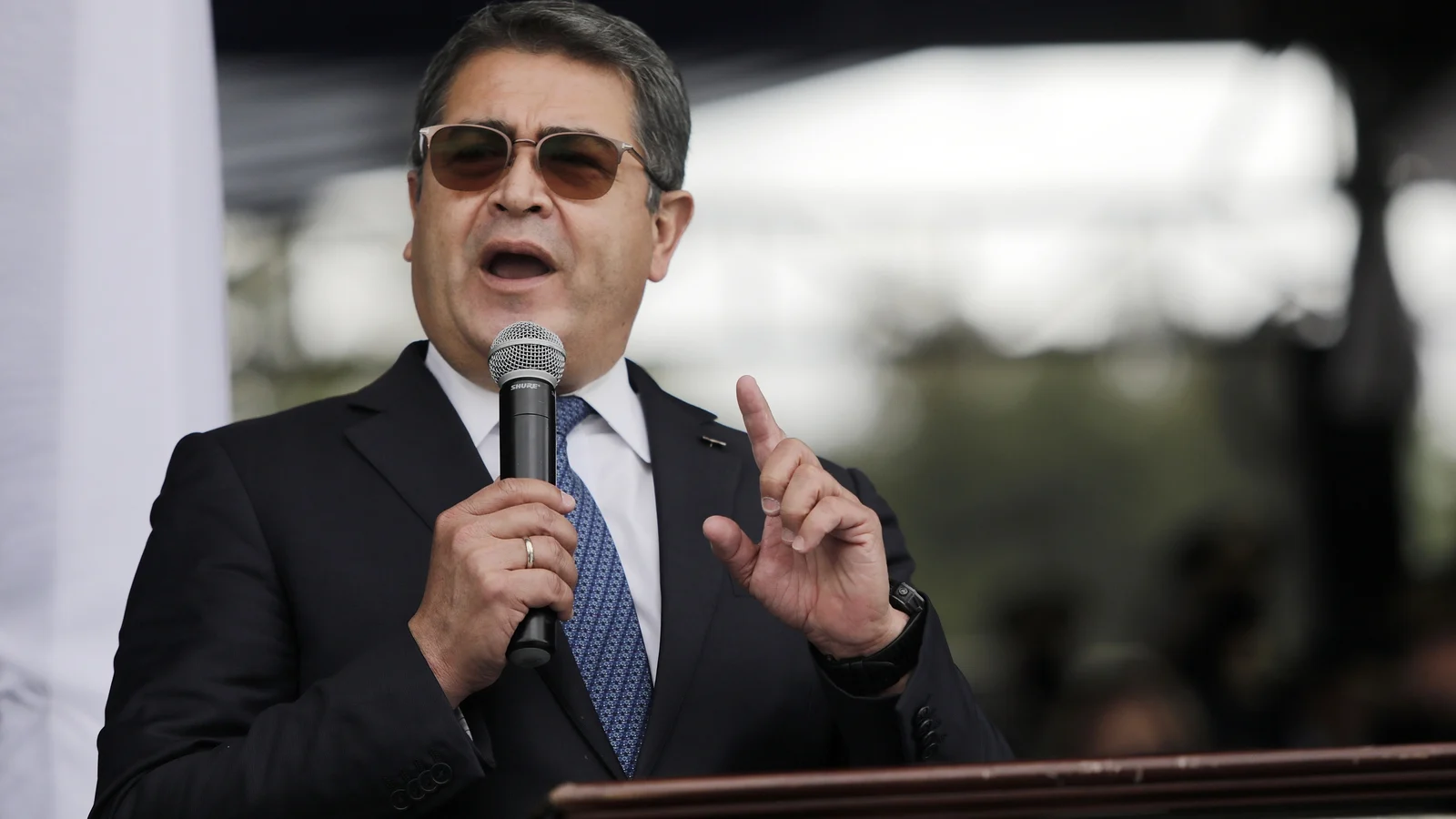
Before the sun broke over the ridged hills of Hazelton, West Virginia, a small white bus eased out of the federal prison gates and into an ordinary Monday morning. Inside sat a man whose name has been whispered in Honduran markets, shouted in congressional hearings, and printed in courtroom transcripts around the world: Juan Orlando Hernández. He had spent nearly four years behind those walls, serving a 45-year sentence for a constellation of crimes — drug trafficking, weapons charges and alleged corruption that a Manhattan jury found proved beyond a reasonable doubt.
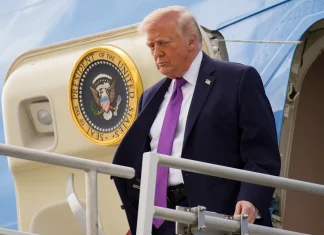
Then, abruptly, he walked out. The Federal Bureau of Prisons registry registered his exit. A White House official confirmed a pardon. And in Tegucigalpa, Ana García — his wife — posted to social media: “After nearly four years of pain, waiting, and difficult trials, my husband Juan Orlando Hernández RETURNED to being a free man, thanks to the presidential pardon granted by President Donald Trump.”
The Pardon and the Timing
A presidential pardon is never merely legal housekeeping. It is a political scalpel. This one came days after a tense Honduran presidential election in which the conservative National Party’s candidate, Nasry Asfura, and the left-leaning Salvador Nasralla were essentially neck-and-neck, each hovering just under 40% of the vote in early tallies. Hernández’s own tenure as president from 2014 to 2022 was a time of tight collaboration between the National Party and Washington; his arrest shortly after leaving office in 2022, and his conviction in March 2024, seemed to many to render the party wounded but not defeated.
“You don’t hand a pardon out in a vacuum,” said Lucía Méndez, a political scientist in Tegucigalpa. “This is a message to Honduras, to the region, and to political allies. It reshapes the chessboard.”
- Conviction: Guilty verdict by a Manhattan jury — March 2024.
- Sentence: 45 years, served in Hazelton, West Virginia.
- Release: Registered as released from federal custody this week following a presidential pardon.
- Political backdrop: A tightly contested Honduran election occurring at the same moment.
Life, Liberty, and the Long Shadow of Drug Trafficking
Hernández’s case captivated U.S. prosecutors because it intertwined the corridors of political power with the routes traffickers used to move narcotics toward U.S. consumers. Prosecutors argued he accepted millions in bribes to protect shipments of cocaine bound for the United States — a charge that cut deep into the myth many politicians sell that being tough on crime and corruption is an unalloyed virtue.
“The harm was not just to institutions in Honduras,” said an attorney who worked on transnational corruption cases in Washington. “When you have a head of state shielding organized crime networks, the effects cross borders: violence, displaced people, and the normalization of illegal economies.”
For many Hondurans, drug-related violence has been a constant backdrop: neighborhood curfews, buses avoided after dark, families torn apart by emigration. “We knew drugs were there,” said Jorge Castillo, a bus driver from San Pedro Sula. “But to learn it was up top? It changes how you look at every leader.”
Voices from Tegucigalpa: Relief, Rage, and Resignation
In the capital, reactions were as varied as the city’s colors — from the chant of jubilant supporters to the quiet tears of those who say justice was denied. “He carried our votes, and he carried our hopes,” said Rosa Urbina, a woman clutching a faded campaign poster from Hernández’s first victory. “The pardon is like a balm for those of us who believed in his promises.”
Across town, outside the courthouse where Hernandez’s lawyers pledged to fight his convictions, a line of human rights activists held signs that read: “No to Impunity” and “The Rule of Law Matters.” “This pardon undermines international efforts to hold leaders accountable,” a human rights lawyer said. “We must protect democratic institutions from the idea that power can shield you from prosecution.”
Geopolitics, Guarantors, and the Wider Hemisphere
The pardon also reverberates beyond Honduras. President Xiomara Castro, in office since 2021, has cultivated closer ties with governments like Cuba and Venezuela — relationships that Washington has often criticized. For U.S. foreign policy strategists, the move will be read through a multipurpose lens: domestic politics, regional alignment, and an acknowledgment of the influence American pardons can exert on fragile democracies.
“A pardon like this is both a domestic act and an international signal,” said Dr. Kevin Morales, a Latin America analyst in Miami. “It feeds narratives on both sides — that the U.S. can protect allies, or that it intervenes selectively for political ends.”
Indeed, the Organization of American States and Washington said they were monitoring the Honduran election closely amid fears of contested results; international observers have long warned that close vote counts in polarized environments risk multiple claims to legitimacy. Whichever presidential hopeful secures a simple majority will govern Honduras from 2026 to 2030 — assuming a smooth transition, which is anything but guaranteed.
What It Says About Power and Accountability
When a president of one country absolves the former leader of another for crimes tied to international drug networks, the ripple effects are complex. There is relief for a family and supporters. There is frustration for victims of trafficking-related violence and for those who labored in the courts to hold power to account. There is geopolitics, too — a recalibration of influence in a region where politics, criminal economies, and foreign policy are intricately braided together.
Ask yourself: what do pardons mean in an age where borders are porous to both capital and crime? When does mercy for one become an affront to many? These are not rhetorical flourishes; they are practical questions about public faith in institutions.
Looking Forward
Hernández’s return to freedom will not erase the convictions, the testimony, or the photographs. It will, however, reopen conversations across Honduras and beyond about corruption, accountability, and the ways external actors influence domestic politics. The upcoming months will test whether Hondurans can negotiate this new chapter without further destabilizing the fragile social fabric.
“We need a country where the law applies to everyone,” said a schoolteacher in Tegucigalpa who asked to remain anonymous. “If we lose that, what do we have left to teach our children about fairness?”
For now, the bus has already become a memory and the man has crossed a threshold. What remains is the work of a nation and a region deciding how to balance mercy with justice, politics with principle, and the local human costs with the larger currents of international power. The story, for all its legalese and headlines, is ultimately about people — and the fragile promises that hold societies together.