When the Gulf went quiet and then didn’t: a gas field, a cascade of fire
On a bright morning along the shallow, brackish seam where Iran meets the Persian Gulf, a plume of black smoke rose from a place the world rarely sees: a field of steel and flame where gas is coaxed from under the seabed and boiled into the liquid that powers refrigerators, factories and economies. Ras Laffan, Qatar’s sprawling LNG city, and Iran’s South Pars — two names that normally sit in industry reports and investors’ spreadsheets — were suddenly the center of a geopolitical storm.
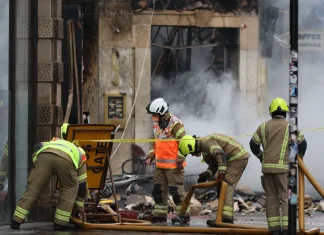
The images that circulated within hours were jarring: orange tongues licking the night sky above liquefaction trains, water shimmering with reflected fire, highways clogged with workers trying to get to safety. The attack — reportedly an Israeli strike on Iran’s South Pars gas field followed by retaliatory missiles targeting Qatar and Saudi facilities — sent a sharp, immediate message: energy security and regional stability are no longer abstractions. They are front-line vulnerabilities.
Why one field matters to everyone
South Pars and Qatar’s adjacent North Field together form the largest natural gas deposit on Earth. For decades this undersea behemoth has fuelled kitchens in Asia, industries in Europe and electricity grids across the Middle East. Industry sources say that the installations in the Gulf region account for a significant slice of global liquefied natural gas throughput — roughly one in five cargoes of the world’s traded gas touches facilities clustered around this basin.
“When you hit South Pars, you’re not striking a silo in a backwater — you’re striking a pillar of the global gas trade,” said an energy analyst based in London. “The markets notice instantly, consumers pay later.”
Markets reacted: oil and gas prices and shipping risks
The strike pushed immediate volatility through energy markets. Oil and LNG futures ticked higher as traders priced in supply disruption and the risk premium of operating in one of the busiest and most militarily contested waterways on the planet: the Strait of Hormuz, through which around 20% of the world’s oil trade passes.
“Every missile that arcs over the Gulf is an added cost to insurance, to shipping time, to the decision-making of energy buyers,” said a veteran tanker broker speaking from Singapore. “This isn’t just about a single plant. It’s about confidence.”
From pier to frontline: the human cost
Beyond the pipes and pipelines are people. In the West Bank, shrapnel from Iranian-launched ordnance killed three women in a hair salon, according to the Palestine Red Crescent Society — a sobering reminder that strikes a thousand kilometres away ricochet into civilian lives. In central Israel, medics confirmed the death of a foreign agricultural worker. Across the border, ambulances and civil defence teams still trawled through rubble looking for survivors.
Humanitarian and rights groups say the toll has been heavy: more than 3,000 people killed in Iran since the campaign began in late February, an estimated 900 dead in Lebanon with nearly 800,000 displaced, and casualties reported across Iraq and the Gulf. At least 13 US service members have also died in the widening conflict, according to military sources.
“We are exhausted,” said a nurse at a field hospital near the Gaza envelope, her voice low. “We do what we can for the people who reach us — but the numbers have outpaced the resources.”
Diplomacy under fire
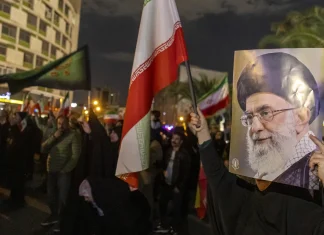
The attacks prompted urgent meetings in Riyadh, where foreign ministers from several Islamic states condemned strikes on Gulf neighbours and warned that targeting civilian infrastructure could not go unanswered. “This pressure from Iran will backfire politically and morally,” Saudi Foreign Minister Prince Faisal bin Farhan told reporters, reflecting a mood of alarm among regional capitals.
Interceptions and air-raid sirens added theatre to the diplomatic talks: missile interceptors were reportedly launched near the very hotel where ministers were meeting, while the UAE temporarily shut down a major gas plant after what it called a “terrorist attack.”
Washington’s calculus
In the United States, officials worried about protecting shipping lanes and civilian facilities. Plans to send additional troops to the region were being discussed, sources said — not just as a show of force but to safeguard the safe passage of tankers through Hormuz. One Pentagon adviser described the move as “necessary contingency planning in a deteriorating environment.”
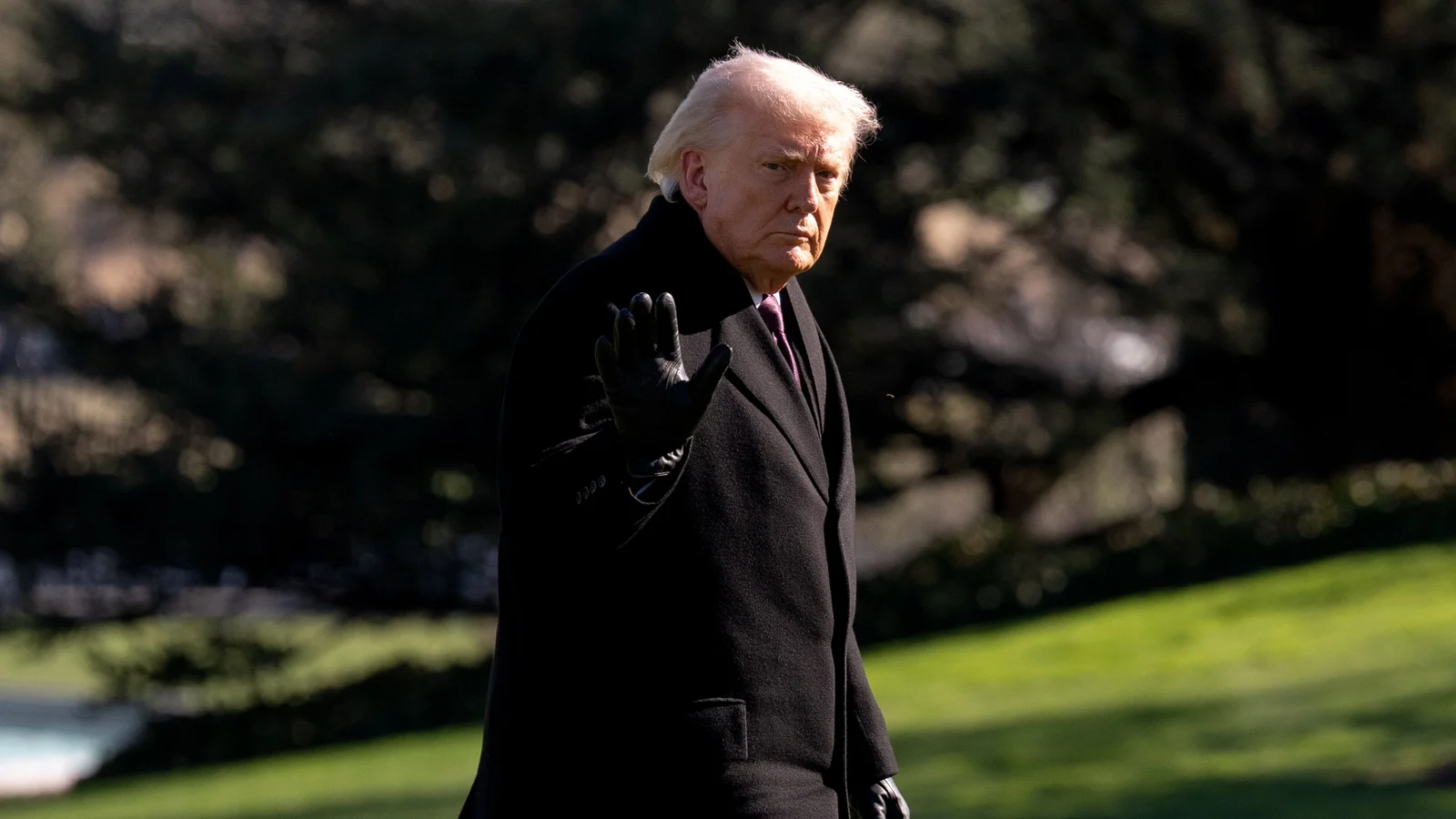
Meanwhile, a statement posted to social media by the US president framed the sequence of strikes as an angry Israeli reaction to months of assaults and warned that further attacks on certain facilities would cross a red line. “No more attacks will be made… unless Iran unwisely decides to attack,” the post read, and included a stark promise of overwhelming force if Tehran escalated again.
Local color: the Gulf at a standstill
On the streets of Doha and the dusty outskirts of Bushehr, ordinary life fluctuated between denial and dread. A fisherman in Al Khor described the sea as he has known it all his life — a steady, shimmering livelihood now shadowed by tanker convoys and naval patrols. “We are used to seeing flares out at night,” he said, “but not like this. You can smell the chemicals, feel the anxiety.”
A Qatari LNG technician, speaking on condition of anonymity, told me how crews were rotated twice as fast as usual to inspect damage and cool hot spots at Ras Laffan. “You learn to listen to the metal,” he said. “The plant makes a sound when it is about to wake and another sound when it is dying.”
What comes next?
We are left with more questions than answers. Will the strikes be contained or will they become the new normal? Can diplomatic channels, international organisations and even neutral mediators stitch together a pause long enough to prevent a wider conflagration? Who bears the economic cost when a pipeline is as geopolitically exposed as a border town?
As you read this, consider the simple commodity whose absence or abundance shapes modern life: gas. It lights homes, powers factories, and heats hospitals. When a field like South Pars is threatened, it’s not only energy markets that stutter — it’s trust between nations, the stability of supply chains, and the fragile routines of millions of people.
In a world that often treats energy as a dry ledger item, this moment asks us to look again at the human and geopolitical threads tied to every cubic metre pumped from the seabed. What would you be willing to pay, or to risk, for uninterrupted power in your home? How should the international community protect the infrastructure we all depend on?
Final note
For now, the Gulf waits: repair crews, diplomats, analysts and anxious families all poised to respond to the next development. The pipeline of information is flowing fast; what matters now is whether the flow of gas — and of restraint — can be kept steady enough to cool a region that has burned for too long.