Night of Pageantry and Politics: Inside a State of the Union That Felt Like a Campaign Rally
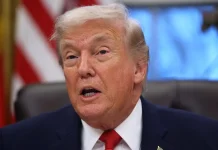
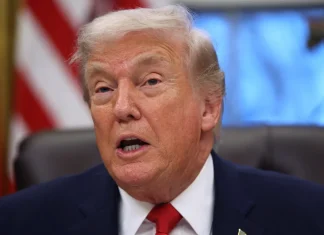
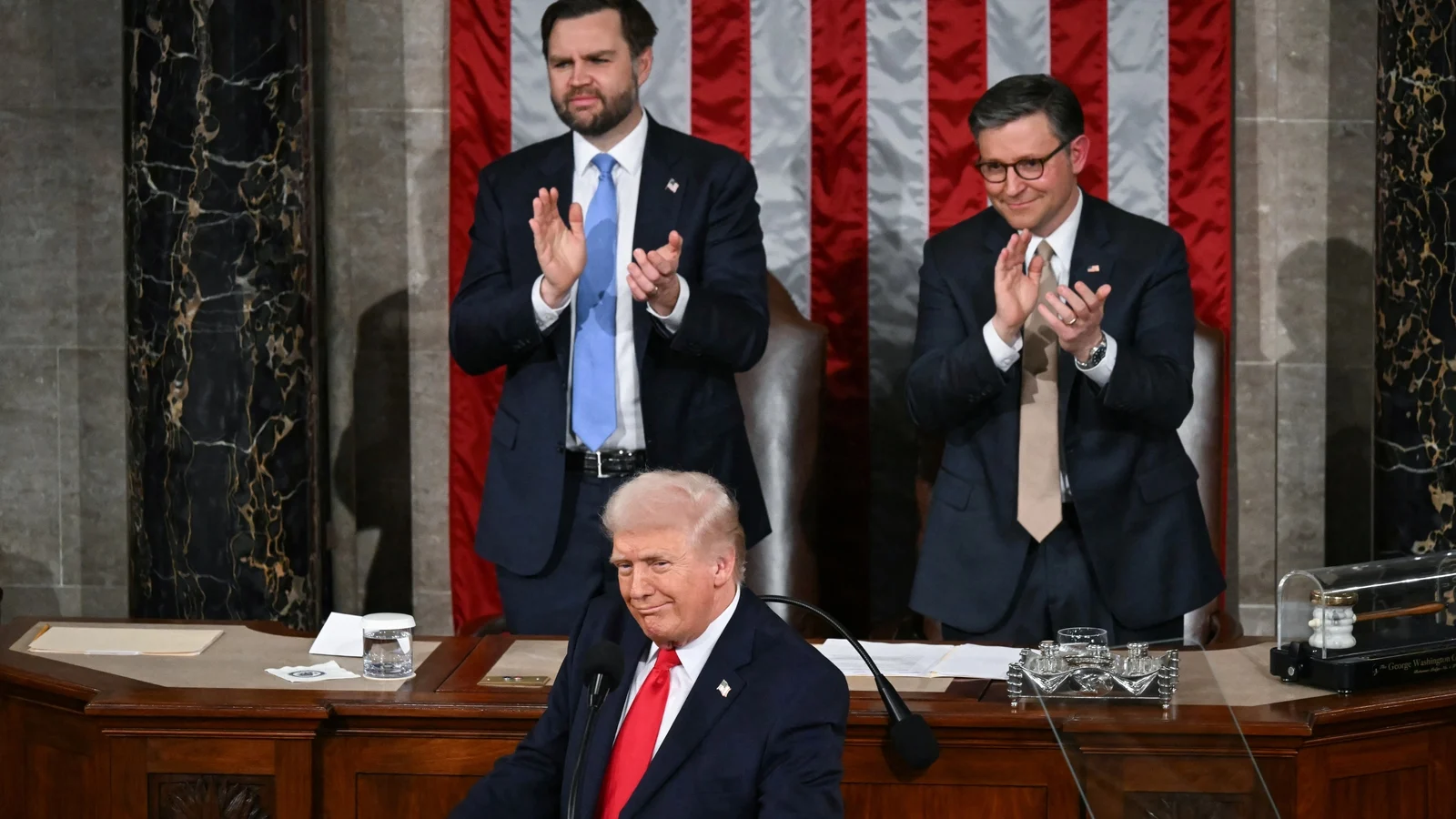
When the chamber lights dimmed and Donald Trump rose to speak, it felt less like a sober accounting and more like a presidential highlight reel — all brass, bravado and a steady drumbeat of winners. Republican members cheered; a string of empty Democratic seats gaped like punctuation marks. Outside, activists chanted and marched. Inside, the president held forth for one hour and forty-seven minutes — the longest delivery of a State of the Union in modern memory — painting a portrait of an America he called “bigger, better, richer and stronger.”
Yet the applause sat uneasily beside the facts on the ground: an economy where many households still feel squeezed, a judiciary that struck down much of his signature tariff policy, and a public mood fractured along partisan lines. Was this an address to rally a base, to reassure wavering voters, or to rewrite the ledger of reality? The answer, as the night showed, was likely all three.
The Economy: Triumphs Claimed, Anxieties Unanswered
For the first hour, the speech was a numbers-heavy sales pitch. “Inflation is plummeting,” the president declared. He trotted out stock-market gains and tax cuts as proof of a thriving America. To many in the gallery, the spectacle landed: the weekly headlines, the ticker tape of the markets, offered a tidy narrative of recovery.
But outside the sound bites are the everyday statistics people live by: grocery bills, rent checks, insurance premiums. A Reuters/Ipsos poll released shortly before the address put approval of Mr. Trump’s handling of the economy at 36% — a cold splash of data that undercut the claims of universal prosperity. New economic reports released that same day showed growth slowing and inflation stubbornly persistent, complicating the administration’s sunny picture.
“My family is getting by, but we’re not thriving,” said Maria Lopez, who owns a bakery near Capitol Hill. “Prices on eggs and flour are still up from two years ago. A State of the Union about prosperity doesn’t mean much if my rent keeps going up.”
- Reuters/Ipsos poll: 36% approve of Trump’s economic handling.
- All 435 House seats and roughly one-third of the Senate are on the ballot this November.
- Recent Supreme Court ruling struck down most of the administration’s import tariffs.
What the Numbers Don’t Tell Us
Numbers can flatter and they can mislead. Stock indices rally when corporate profits climb, even as wage growth lags for millions. The president’s celebration of market highs does not erase the truth that prices for essentials — food, housing, utilities — remain meaningfully higher than they were a few years back. For voters in swing districts, that gap between national headlines and kitchen-table realities is where elections are won or lost.
Immigration, Anger, and the Theatre of Confrontation
When the speech shifted to immigration, the chamber became a ring. The language echoed the rhetoric that propelled the president’s candidacy: tough enforcement, stern rebukes of Democratic resistance, and the familiar refrain that undocumented migrants were tied to a wave of criminality. The declarations drew sharp responses from the minority party. Voices rose. Shouts crossed aisles. Emotions — raw and rehearsed — spilled into the open.
“You should be ashamed,” Mr. Trump thundered, directing criticism at Democrats who have pushed back against funding his Department of Homeland Security on his terms. Rep. Ilhan Omar, representing Minneapolis, yelled back that federal enforcement had “killed Americans” — a reference to high-profile incidents of agents using lethal force. The exchange became a microcosm of the wider national schism: policy debate folded into moral indictment.
“It felt like a boxing match,” said Jamal Turner, a teacher from Fairfax County who watched a local viewing party. “No one is listening — people are shouting their talking points at each other instead of dealing with the root issues. Meanwhile, folks at my school worry about kids who are food-insecure.”
Drama, Pageantry and the Politics of Symbolism
Trump’s State of the Union was as much about spectacle as it was about substance. He invited the men’s Olympic hockey team into the chamber, fresh from gold-medal celebrations — their skates a metaphorical flourish packed with patriotism. He announced a Presidential Medal of Freedom for the team’s goaltender, tying athletic triumph to national glory.
But the spectacle also included pointed moments of protest. Rep. Al Green was removed after waving a sign with a searing message; several Democrats chose to skip the speech for demonstrations outside; a group of Epstein accusers sat in the gallery, and some Democratic women wore tags demanding “release the files.” A Hawaii congresswoman’s white jacket, embroidered with words like “affordability” and “healthcare,” was a quiet rebuke — a sartorial protest stitched into the march of ceremony.
What Was Left Unsaid
Notably absent from the oratory were extended conversations about emerging technologies like artificial intelligence, which is reshaping labor markets and financial systems, and a lack of detail on China and long-simmering tensions with Iran — topics that many experts say deserve sober, forward-looking plans. The president briefly addressed Iran, warning against nuclearization while saying diplomacy was preferred; he offered no clear roadmap to avoid escalation.
“Global tensions and technological disruption are the moonshots of our era,” said Dr. Hannah Liu, a political economist. “A State of the Union that ignores AI policy and gives only broad strokes on foreign tensions is a missed opportunity to set a coherent national strategy.”
Why This Night Matters — And What It Might Mean for November
State of the Union speeches are part pep rally, part manifesto, part audition. This one read like a campaign event wrapped in ceremonial trappings: long, theatrical, and aimed at both calming supporters and shoring up votes. With control of Congress hanging in the balance — and with all 435 House seats and about a third of the Senate up in November — the message was unmistakable: projecting strength, claiming victories, and framing opponents as out of touch.
But projection isn’t the same as persuasion. The crowd outside — activists and everyday citizens — reminded everyone that politics is lived in streets and kitchens as much as in capital corridors. A state of the union should be a conversation; last night, for many, it felt like a monologue.
So where do we go from here? Can polished rhetoric turn the tide of household discontent, or will voters demand tangible relief? Will the next chapters be defined by compromise or confrontation? As you read this, consider: what do you most need your leaders to address in the months ahead — and how will you hold them to it?
Lines were drawn, voices were raised, and the television cameras kept rolling. The State of the Union ended. The questions it left behind — about prosperity, dignity, and who gets to claim victory in this country — are only beginning to be answered.