A Line Drawn in Sand: What “Unconditional Surrender” of Iran Really Means
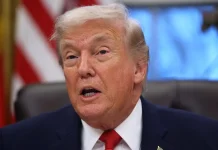
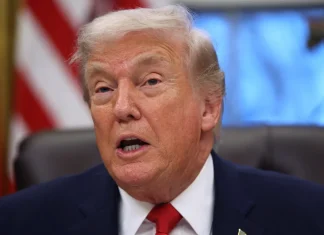
When a former American president uses the language of the 1940s — “unconditional surrender” — it is hard for that phrase not to reverberate. It landed this week like a drumbeat across living rooms, parliament floors, and marketplaces from Washington to Tehran, a stark and blunt choice of words that refuses easy translation into diplomacy.
“Unconditional surrender of Iran will end war,” the statement read, tight as a headline and wide as a warning. Whether you agree with the sentiment, dread the implications, or see it as pure political theatre, the words do more than signal intent: they ask a question about what we mean when we talk about victory, justice, and the cost of conflict in the 21st century.
Context: Why Words Matter Now
We’re not swimming in a vacuum. U.S.-Iran relations have been frayed for decades, scarred by the 1979 revolution, punctuated by proxy conflicts across the region, and thrown into a new phase after the United States walked away from the 2015 nuclear deal in 2018. Sanctions have squeezed Iran’s economy; regional clashes and maritime incidents have raised the fever of escalation. Against that backdrop, a phrase that implies total capitulation is more than rhetoric — it is a proposal for how conflict should be concluded.
History teaches that “unconditional surrender” is not a neutral legal term. It was born in WWII as the Allies demanded the complete submission of Nazi Germany and Imperial Japan. Those demands reflected a world in which total war and total defeat were considered necessary to rebuild international order. But the Middle East today is not 1945 Europe; wars are often proxy-driven, asymmetrical, and interwoven with politics, religion, and identity in ways that make clean victories almost impossible.
Voices from the Street
In a small tea shop tucked between caravans of vendors in Tehran’s Grand Bazaar, the air smelled of cardamom and steam, not of diplomacy briefings. “We don’t want another war,” Hassan, a carpet seller in his fifties, said, stirring his tea. “Surrender? Who surrenders their history and pride?”
Across the city, a university student named Leila — a composite of conversations with several young Iranians working in arts and tech — reflected more on the human cost. “My cousin lost his job because of sanctions,” she said. “We are tired of being punished. Peace is not something you force on people by telling them to surrender.”
And among the Iranian diaspora in London, opinions varied. “It sounds like bravado to win votes,” said Reza, a restaurant owner who remembers the tensions of the 1980s Iran-Iraq war. “But talk of total victory ignores decades of pain on both sides.”
What Experts Say
Strategists and scholars warn that the language signals an approach that does not translate easily into modern conflict resolution.
“Demanding unconditional surrender is a recipe for escalation,” said Dr. Anna Reynolds, an expert in international conflict at a London university. “It leaves no room for negotiation, no pathway for de-escalation, and it risks entrenching resistance.”
Legal scholars draw attention to international norms. “Sovereignty and self-determination are core principles of international law,” noted a specialist in public international law. “Even in conflicts, demands for unconditional surrender run against the grain of contemporary legal and diplomatic practice.”
Possible Consequences — and What They Reveal
There is a practical list of possible outcomes that follow from rhetoric like this. Consider:
- Escalation of military posturing in the Persian Gulf and the Levant.
- Domestic political consolidation within Iran, where nationalistic rhetoric often bolsters hardliners.
- Deepening isolation or radicalization as options for negotiation narrow.
- Pressure on international partners to choose sides, complicating multilateral mediation efforts.
None of these are certainties. But they are credible scenarios — and credibility is what makes such a statement consequential.
The Human Arithmetic of “Ending War”
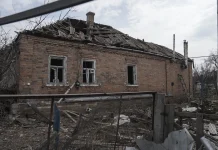
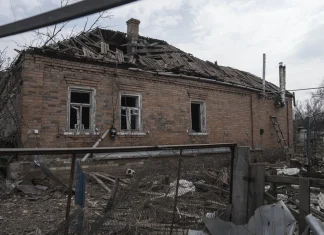
Ask yourself: When have we ever truly ended a war by demanding unconditional surrender of a state whose society continues to exist, bristling with institutions, loyalists, and regional ties? Look at Iraq and Libya — states were toppled, but the aftermath was messy, violent, and prolonged. The calculus of “ending war” cannot ignore reconstruction, governance, legitimacy, and the human stories that follow a fall from power.
Economists remind us that sanctions and conflict have long tails. Iran’s population is roughly 86 million — a country with schools, industries, and a diaspora that stretches worldwide. The social and economic ripple effects of coercive policies reach far beyond the halls of power.
Global Ripples and Regional Realities
The world watches when leaders use absolutist language because conflicts in the Middle East are rarely contained. Trade routes, energy markets, and refugee flows mean that a crisis in the Gulf touches Europe, Asia, and beyond. A spike in regional instability can send oil prices shuddering, upend markets, and test alliances. Moreover, nations like China and Russia — already expanding diplomatic and economic ties in the region — will react strategically, reshaping a global chessboard.
So What Should Change?
Many analysts argue that the best route forward is not declamatory slogans but a layered, patient strategy: de-escalate, re-open channels, and rebuild multilateral frameworks. That means bolstering back channels, leaning on allies, supporting civil society — and, crucially, centering humanitarian concerns.
“We need to ask ourselves whether a public show of strength is worth the cost of closed doors to negotiation,” Dr. Reynolds said. “The goal should be durable security, not theatrical conquest.”
Final Thoughts: Readers, Where Do You Stand?
Language shapes reality. It frames how decisions are made and what solutions appear possible. The phrase “unconditional surrender of Iran will end war” is, for many, an incitement; for others, a comfort. Which camp are you in?
Think about the last time you witnessed a conflict resolve — was it through force, or through compromise? What stories do we tell ourselves about victory? And who pays the tab when victory is proclaimed?
In the end, the starkness of the words should be a prompt, not a prescription. This moment asks us to look past soundbites and consider the messy, human work of peacebuilding. It asks whether the international community can imagine outcomes beyond triumph and defeat — outcomes that preserve lives, rebuild trust, and shape secure futures for ordinary people whose daily realities are measured in groceries, schoolbooks, and the quiet rhythms of neighborhood kitchens.
That is the conversation worth having now. Will leaders listen?