When a Dinner Room Remark Echoes Around the World
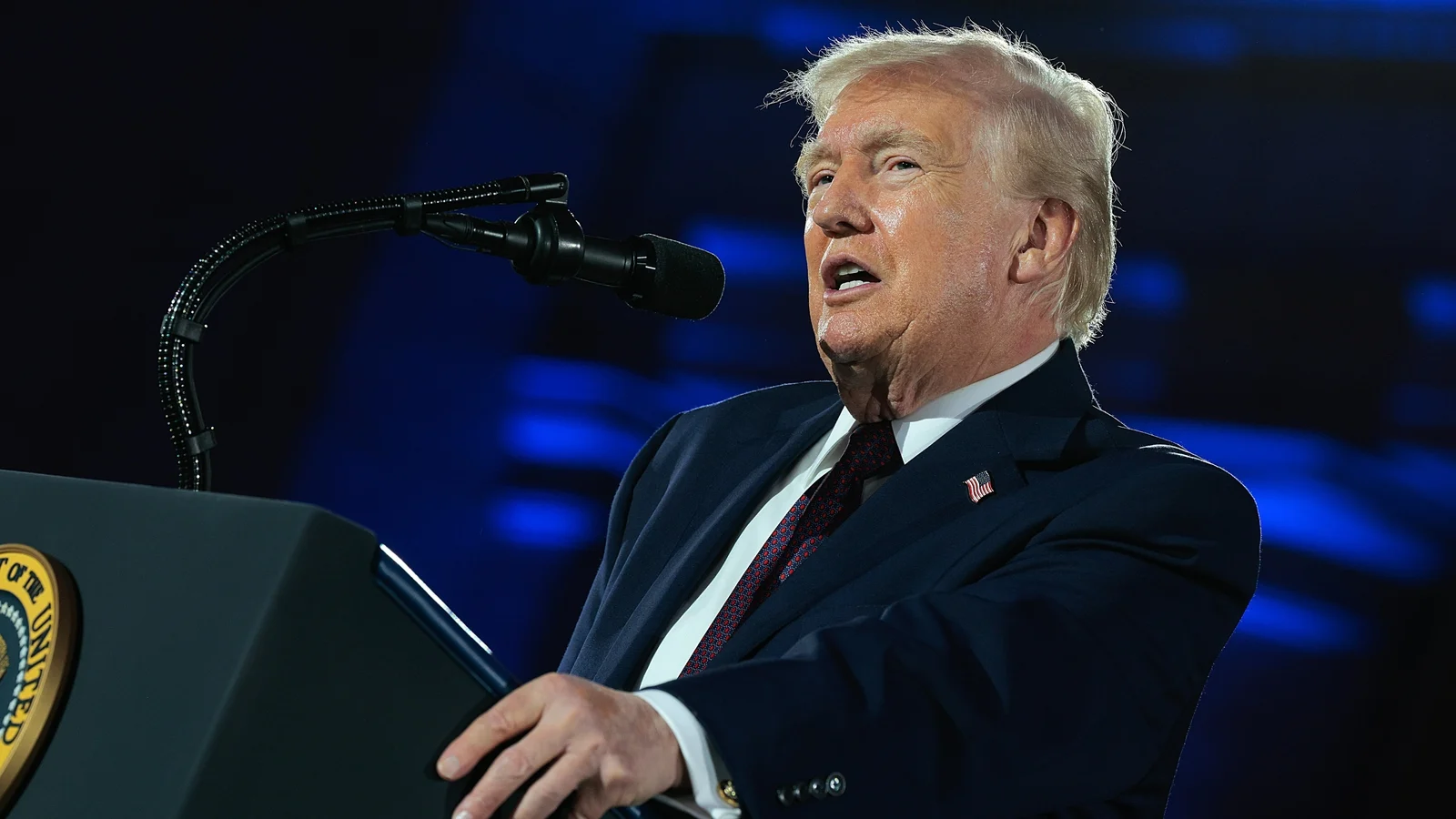
It began, as so many seismic moments do, with an off-the-cuff line at a private dinner: a president telling allies that the adversary was eager to make a deal but too frightened to admit it, for fear of retribution from within and without.
Those words—sharp, theatrical, reckless depending on your angle—landed far beyond the Washington dining room. They ricocheted across Tehran’s wide boulevards and into the corridors of oil traders in Singapore, onto the tractors of farmers in Kansas and into the UN’s debating chamber in New York. When leaders speak in that register, the microphones never fully go off.
“Negotiating—but silent”: Two Narratives Collide
On one side, a White House insisting that channels of communication remain open, quietly working through intermediaries and diplomats to shape a 15-point plan it says would disarm Tehran’s most dangerous capabilities. “Talks are ongoing and productive,” a senior U.S. official told reporters this week, while warning that the administration is prepared to escalate strikes if Iran does not capitulate.
On the other, Iran’s foreign ministry publicly declares that there is no intention to negotiate—an emphatic refusal amplified on state television and in the streets of Tehran, where portraits of the deceased supreme leader and his son have become focal points for both mourning and defiance.
“They want to talk. They are whispering. But in public they must shout resistance,” said a mid-ranking Iranian official who asked not to be named. “This is as much about survival of our leaders as it is about posture.”
Theatre and Reality: Military Claims and the Human Cost
The spectacle of high-stakes rhetoric is matched by hard numbers. U.S. Central Command, in a rare televised briefing, said more than 10,000 targets inside Iran had been struck. The commander claimed that 92% of the country’s largest naval vessels were out of action and that missile and drone launch rates were down by more than 90%.
“Our goal is to cripple Tehran’s ability to project power,” Admiral Brad Cooper said in the briefing. “We are on track.”
Whether those numbers, released in the fog of conflict, hold up under independent scrutiny is another question. What is indisputable is the human ripple effect. The World Food Programme warned that if the conflict drags on into June, tens of millions more people could face acute hunger—compounded by supply-chain disruptions, soaring fuel costs and blockages at the Strait of Hormuz, the narrow chokepoint that carries roughly 20% of the world’s oil and liquefied natural gas.
“We are seeing an energy shock unlike any in recent memory,” said Dr. Lina Karim, an energy economist at the Institute for Global Studies. “Insurance premiums for tankers are surging, alternatives are hard to source quickly, and nations with thin fiscal buffers are already recalibrating budgets. It’s a domino set tilted against the world’s poorest.”
Tehran’s Streets: Portraits, Tea, and Fear
Walk through central Tehran and the scenes are layered. Men sip strong black tea in cafés while news anchors parade grainy footage of damage. A woman clutches a framed image of the supreme leader’s son, eyes wet and resolute. Shopkeepers in the Grand Bazaar talk in low voices about the price of diesel for delivery vans and the risk that sanctions or naval seizures could starve the market of basic goods.
“The day the fuel trucks don’t arrive, people will remember these days as the beginning of something worse,” said Reza, a 45-year-old grocer whose small shop has sold saffron and pistachios for three generations. “We are proud, we are angry, but also we are scared.”
Those anecdotes are the immediate human geography of global policy. Behind the numbers and the bravado, ordinary lives are redrawing their expectations.
Pakistan, Proxies and a Fragile Diplomatic Ladder
Diplomacy, when it exists, seems to travel circuitously. Reports indicate Pakistan is serving as a conduit between the U.S. and Iranian officials, ferrying proposals that aim to remove enriched uranium stockpiles, cap missile programs and choke funding to regional proxies. U.S. spokespeople have declined to detail interlocutors; Iranian leaders have rebuffed the overture in public.
Meanwhile, the president has framed the campaign as a “military operation” rather than a formal war—language he says shields him from congressional oversight. “Words matter,” said a constitutional law professor in Washington. “Calling something a military operation is a political decision with legal consequences.”
And yet, as UN Secretary-General António Guterres warned, the world faces the specter of a widening regional conflict. “We must climb the diplomatic ladder,” he urged, in a plea that felt more like a life preserver tossed into a stormy sea.
Markets, Meals and the Moral Question
Back on the ground in Omaha, a soybean farmer named Amy scrubbed her hands on an oil-stained rag and shook her head at the notion that the fight was far away. “If diesel doubles, we can’t plant. If fertilizer can’t get here, yields drop. That’s food for fewer people—and that’s not a purely economic problem,” she said.
Across the globe, governments are dusting off emergency measures last used during the COVID pandemic as they try to blunt the shock to households and small businesses. Central banks are on alert as inflationary pressures spike; one forecaster has warned that energy-driven inflation could push consumer prices up several percentage points in the coming quarters.
What price, then, do we put on the certainty of peace versus the certainty of victory? Is military success worth the economic and humanitarian hangover? These are not rhetorical questions for the families who now delay hospital trips because fuel is scarce or the merchants who count dwindling stock under lock and key.
Choices Ahead: Escalation or Engagement?
Officials in Washington say timelines for military operations are measured in weeks—four to six, they suggest—while moving thousands of troops and marines to the Gulf to provide options that might include a ground operation. Opponents at home call for congressional oversight; allies abroad urge restraint.
“We have to ask ourselves whether the instant gratification of a military ‘solution’ outweighs the long-term instability it could sow,” said Professor Amrita Sen, a scholar of Middle Eastern geopolitics. “Decades of history show that power vacuums, whether economic or political, breed new—and sometimes worse—instabilities.”
Where Do We Go From Here?
The question lands at the doorstep of every reader, whether you are an investor recalibrating risk, a parent worrying about grocery bills, or a citizen watching from afar. Can quiet diplomacy prevail when leaders trade theatrical threats? Is there enough political bandwidth left—across capitals and within fractious legislatures—to build a sustainable settlement?
History will judge this moment not just by the statements issued in dinner rooms or the number of targets struck, but by whether we chose the harder path of patient, inclusive negotiation over the seductive clarity of military triumph.
What do you think? When governments wield force and words with equal intensity, who ultimately pays—and how do we, as a global community, ensure that the price is not counted only in headlines?