Across a Narrow Sea: Fire, Fury and the Fragile Lifeline of the Strait of Hormuz
From a distance the Gulf looks deceptively calm: a blue-green ribbon punctuated by oil tankers, dhows and the occasional flash of gulls. Up close, it has become a theater of smoke and sirens, wary faces and hurried goodbyes. In the last week, the world watched a historic artery of commerce—Kharg Island and the shipping lanes that thread the Strait of Hormuz—become an epicenter of another Middle Eastern conflagration, with repercussions that ripple far beyond the region.
“We woke to the sound of explosions,” said Farhad, a fisherman who has worked the waters off Bushehr for three decades. “The sea used to be my calm. Now it’s a road to danger.” His voice, measured and haunted, carries the local ledger of loss: disrupted livelihoods, empty berths, and a simmering anger that stretches from port cafés to the corridors of power in Washington, Tehran and Abu Dhabi.
The Geography of a Crisis
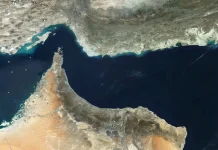
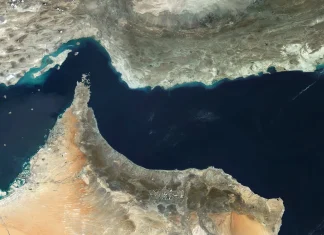
Kharg Island sits roughly 24 kilometres off Iran’s coastline. For years it has been the country’s most important export terminal—pipelines, loading berths and an enormous web of storage tanks that anchor Iran into the global oil trade. Not far away, the Strait of Hormuz funnels a disproportionate share of the world’s seaborne crude: at various times analysts estimate that roughly one-fifth of seaborne oil has passed through its narrow waters.
Across the coast lies Fujairah, the United Arab Emirates’ eastern hub, where tankers take on Murban crude—about one million barrels per day—offloading a grade that accounts for roughly 1% of global oil demand. When these facilities falter, ripples become waves: insurance premiums jump, shipping routes reroute, and economies that rely on predictable energy flows add a new line item to their bill of risk.
What Sparked the Firestorm
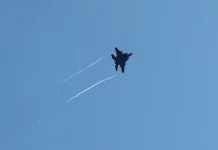
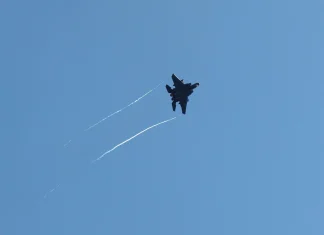
The current escalation began with air strikes that struck Kharg; the U.S. military has described its targets as military facilities on the island, including munitions and missile storage sites. U.S. Central Command said it struck scores of sites in and around Kharg, a move the White House said was calibrated to degrade Tehran’s military footholds.
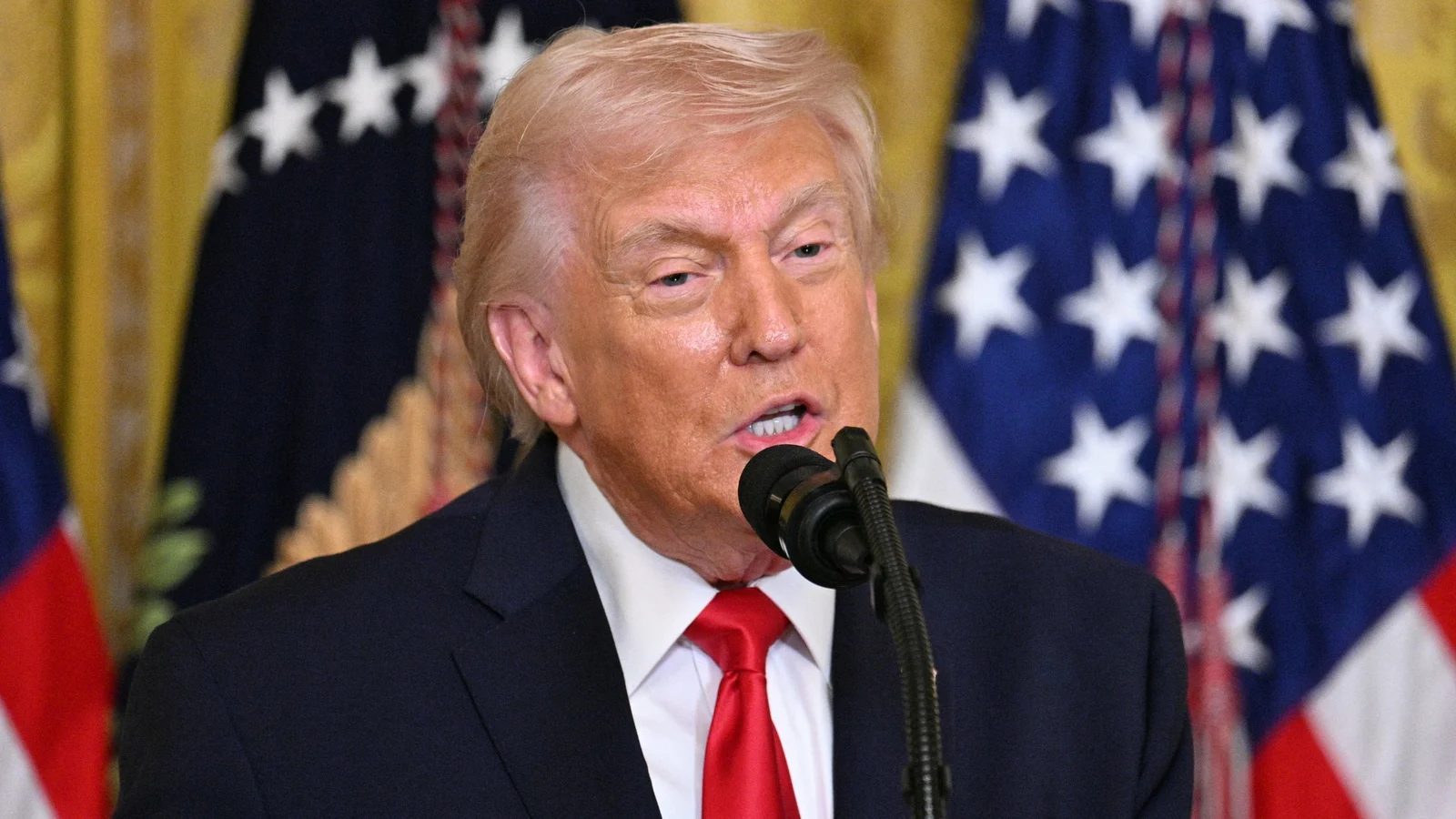
President Donald Trump’s public posture has been unapologetically blunt: he urged allies to dispatch warships to protect shipping in the Strait, and in media appearances floated the possibility of further strikes. Those words, broadcast from his Mar-a-Lago retreat in Florida, added a louder, angrier tone to what was already a volatile situation.
In Tehran, the response was stern and immediate. Islamic Revolutionary Guard Corps statements and Iranian officials warned of countermeasures, including missile and drone strikes that reached into the skies above the UAE. Iran’s new Supreme Leader, Ayatollah Mojtaba Khamenei, has signalled defiance; at least one senior Iranian diplomat said a ceasefire would be impossible while air attacks continued.
Lives Disrupted, Cities Mourn
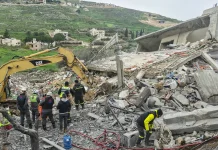
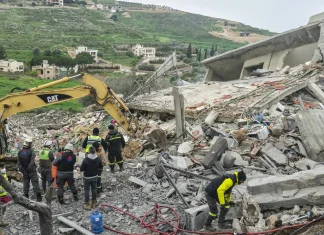
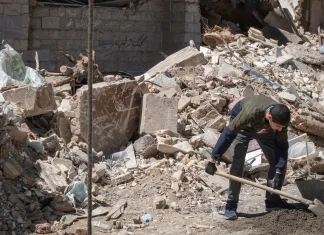
In Isfahan, an airstrike on an industrial facility killed dozens—reports say a refrigerator and heater factory was hit—turning the afternoon into a canvas of smoke, grieving families and emergency workers searching through rubble. “He had a nickname like everyone in the neighbourhood—‘Uncle Bajan’—and now he’s gone,” said Leyla, a woman from the city, wiping her hands on her scarf. “We count coffins now, not bowls of rice.”
Fujairah’s port authority described firefighting operations after debris from a downed drone fell near fuel storage, and some crude loading operations were paused. Terminal operators and traders said that even short suspensions in Fujairah can reverberate through global markets because of the outsize role the port plays in bunkering and transshipment.
“When you see flames near a fuel tank, it’s not abstract,” said Hassan Al-Mansouri, a dockworker in Fujairah. “People here are practical: they worry about water for kids and bills. Politics comes later.”
Diplomacy on the Back Foot
As military and civilian actors hardened their positions, diplomatic channels strained. Several Middle Eastern governments reportedly tried to open negotiations to de-escalate, but sources say such efforts met resistance from Washington’s inner circles. Meanwhile, President Trump publicly appealed to an array of nations—France, Britain, Japan, South Korea, China—to consider naval deployments in the Hormuz corridor. No major ally signalled immediate commitment.
“Coalitions can be formed in days or years—it depends on political will,” observed Dr. Miriam Kaul, a maritime security analyst at a European think tank. “What we’re seeing is a classic collective-action problem: everyone wants safe seas, but few want immediate exposure to conflict.”
The Economics of Fear
It is not just missiles that markets count; it is perception. Traders watch tanker routes like heart monitors. Premiums on shipping and insurance rise when a sea lane looks uncertain, and those costs get folded into the pump price, the heating bill, and the grocery cart. For commodity-dependent countries, these shifts can fast-forward inflation and slow recovery.
Economic impact is uneven. Gulf oil exporters gain leverage but risk longer-term damage to infrastructure and investment. Importing nations—many of them fuel-poor but industry-rich—face immediate pain. And for global consumers, the question becomes simple: who pays when a choke-point is choked?
Where Do We Go From Here?
Stories of war are often told as a series of moves on a map. But at their heart they are human stories: fishermen who cannot go to sea, port workers sleeping beside cranes, families in cities where sirens punctuate prayers. They are also reminders of a brittle architecture of global interdependence—where a decision at a single facility can push the price of a barrel and the trajectory of a life.
So what should we, watching from home screens and newsfeeds, take from the smoke over Kharg? Perhaps this: that vital infrastructure—pipelines, ports, narrow straits—are not merely economic nodes; they are geopolitical tinder. And that the choices of a few men in offices and bunkers can alter the daily rhythms of millions.
“We’re tired of being a chessboard,” said an older merchant in Bandar Abbas who asked not to be named. “We sell dates, not bullets. We want to trade and feed our children.”
Will the global community step in to protect the arteries of commerce, or will those arteries be remapped by force? Will diplomacy find a way through the fog of rhetoric and reassert the norms that have kept such chokepoints relatively quiet for decades? The answers will shape energy markets, regional alliances, and the lives of ordinary people who simply want to keep their lights on and their families safe.
Final Questions
When the waters settle—whenever that may be—what will remain of a system that assumed free passage as a given? How many more countries will calculate security in terms of warships and convoys instead of treaties and trade? And most importantly, how many more fishermen, factory workers and shopkeepers will pay the cost of conflict that radiates from a narrow strait into a world that depends on it?