A Toast at the White House: How a Royal Visit Uncorked a Trade Breakthrough for Scotch
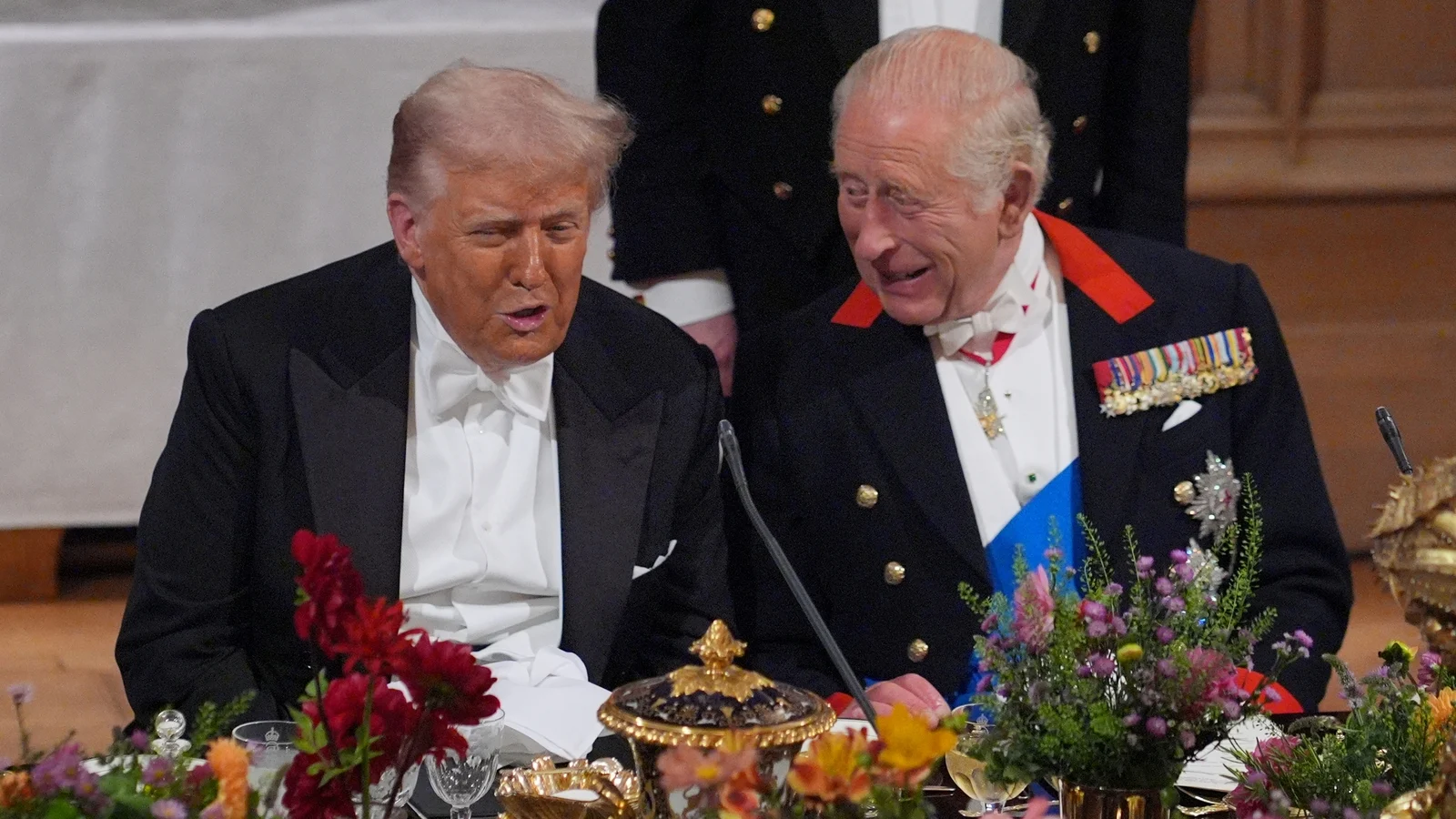
There are moments in diplomacy that arrive not with a treaty or a headline-grabbing speech, but with the warm, oak-sweet whisper of a barrel being rolled into a warehouse. This week, in a twist that feels cinematic and a little improbable, that whisper turned into policy: US President Donald Trump announced he will lift tariffs affecting Scottish whisky after Britain’s King Charles and Queen Camilla visited the White House.
It is a story of barrels and bourbon, crowns and caucus rooms, of small distilleries on misted Scottish hills and large offices in Washington where trade lines are drawn. It is also a reminder that culture and ceremony—sometimes more than spreadsheets and briefings—can nudge international commerce.
From Islay to Kentucky: An unlikely trade friendship
Walk into any Scotch distillery and you’ll notice the same familiar sight: rows of wooden casks, their staves darkened by years of spirit and weather. Many of those casks began life in the United States, as bourbon barrels. American oak, charred and seasoned with Kentucky bourbon, is the secret ingredient behind much of Scotch’s flavor. That barrel-forging link has built a quiet, cross-Atlantic interdependence between Scottish distillers and American coopers.
“We don’t just borrow barrels from America—we borrow time and story,” said a Speyside cask master I spoke with on a damp morning, rolling a barrel as if it were an old friend. “The oak brings sunshine from the states into our peat and rain.”
That interdependence has been strained by tariffs imposed in recent years as part of a broader dispute tied to aircraft subsidies. For smaller producers, the extra cost wasn’t simply an accounting headache; it was an existential threat. With the US as Scotland’s single biggest market for whisky, duties mean fewer exports, thinner margins and, crucially, jobs at stake in rural communities where distilleries are anchors of the local economy.
Politics with a human face
President Trump took to his Truth Social platform to link the decision to the royal visit, writing that the King and Queen “got me to do something that nobody else was able to do.” He framed it as a gesture recognizing the shared industries of Scotland and Kentucky: whisky and bourbon, and the wooden barrels that bring them together.
For many, the gesture landed as both diplomatic flourish and practical relief. John Swinney, Scotland’s First Minister, described the move as “tremendous news for Scotland” and framed it as the result of persistent effort: a White House visit, conversations at the State Banquet in London, and months of mounting pressure alongside trade bodies like the Scotch Whisky Association.
“People’s jobs were at stake,” Swinney told reporters, echoing the concerns of distillery workers and town councils across Scotland. “Millions of pounds were being lost every month from the Scottish economy.”
On the ground: what the change means
In small towns where the distillery whistle marks the beginning and end of the day, people greeted the news with a mixture of relief and cautious optimism. “It’s not just about whisky,” said Aine, who runs a guesthouse in a village ringed by barley fields. “It’s about the tours, the bus that brings visitors to the distillery, the small café that depends on their business. Tariffs ripple through everything.”
Business and Trade Secretary Peter Kyle summed up the official line: this is a win for an industry “worth almost £1 billion in exports” to the US and a protector of thousands of jobs across the UK. His office stressed the multiplier effects: tourism, packaging, cooperage and logistics—each linked to the fate of a glass of Scotch in a faraway bar.
Not everyone celebrated unreservedly. An export manager at a medium-sized distillery warned that removing tariffs is only one step. “We’ve lost customers to competitors in the past three years; rebuilding relationships takes time,” she said. “Shipping routes have been altered, pricing strategies reset. A headline will help, but it won’t refill empty whisky casks overnight.”
Beyond barrels: what this episode tells us about modern diplomacy
There is a larger beat to this small story. The royals’ visit to Washington underlined the subtle power of cultural diplomacy. Kings and queens, presidents and prime ministers may not sign tariff schedules over tea, but their ceremonial presence can create political space where negotiations thrive. That soft power—shared rituals, mutual respect, the ability to draw attention—often accelerates outcomes that paperwork alone cannot.
Trade disputes today are seldom abstract disputes between faceless economies. They are local issues intensified by global supply chains and national identities. For Scotland, whisky is both an economic product and a cultural emblem; for the US, bourbon represents regional pride and a thriving domestic industry. Reconciling those interests requires more than trade desks—it requires people remembering why the product matters.
Questions for readers
What does it mean when a royal handshake can shift trade policy? Are ceremonial visits relics of an older diplomacy, or are they a necessary complement to 21st-century negotiations? Think of the goods you value most: do tariffs and trade talks ever feel far removed from the people who make them?
As you raise a glass—whether it’s a smoky single malt or a caramel-forward bourbon—consider the invisible threads tying that sip to a cooper in Kentucky, a barley farmer in Fife, and a trade negotiator in Washington. That complexity is what global commerce looks like up close.
Looking ahead
Analysts say the removal of tariffs could ease costs immediately for exporters and may boost Scotch’s competitiveness in its largest foreign market. But experts caution that rebuilding lost momentum takes time. Markets are fluid, consumer loyalties shift, and businesses that survived tariffs are not the same as those that never faced them.
“The tariff removal is a welcome first step,” said an international trade analyst in Edinburgh. “But it must be accompanied by consistent policy, marketing support, and close collaboration between governments and industry if Scotland is to reclaim ground lost during the period of heightened costs.”
For now, the mood in small towns and big cities alike is buoyant. Distillery workers are already sketching plans for renewed exports; tour guides are optimistically rescheduling groups; coopers in Kentucky may find themselves busier than before. It is a victory both symbolic and practical—one that began with a royal visit and rolled into barrels, echoing down aisles of oak and into the pocketbooks of communities that depend on the craft.
Will this be a turning point for Scotch—and a model for how soft power can shape economic policy? Only time (and a few well-aged bottles) will tell. But for a moment, the clink of glasses feels like a line drawn toward renewal.