Through a Narrow Throat: The Strait of Hormuz, Global Oil and the Limits of Coalitions
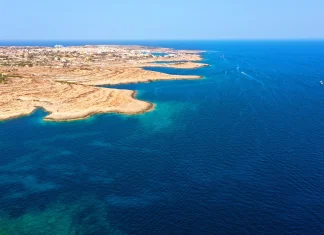
Imagine a neck of sea as narrow as a city bridge, yet as consequential as a continent. The Strait of Hormuz is precisely that — a 21-mile corridor where leviathan tankers glide past tiny fishing boats, where the morning call to prayer hangs over oil terminals and where the world’s energy lives on a knife-edge.
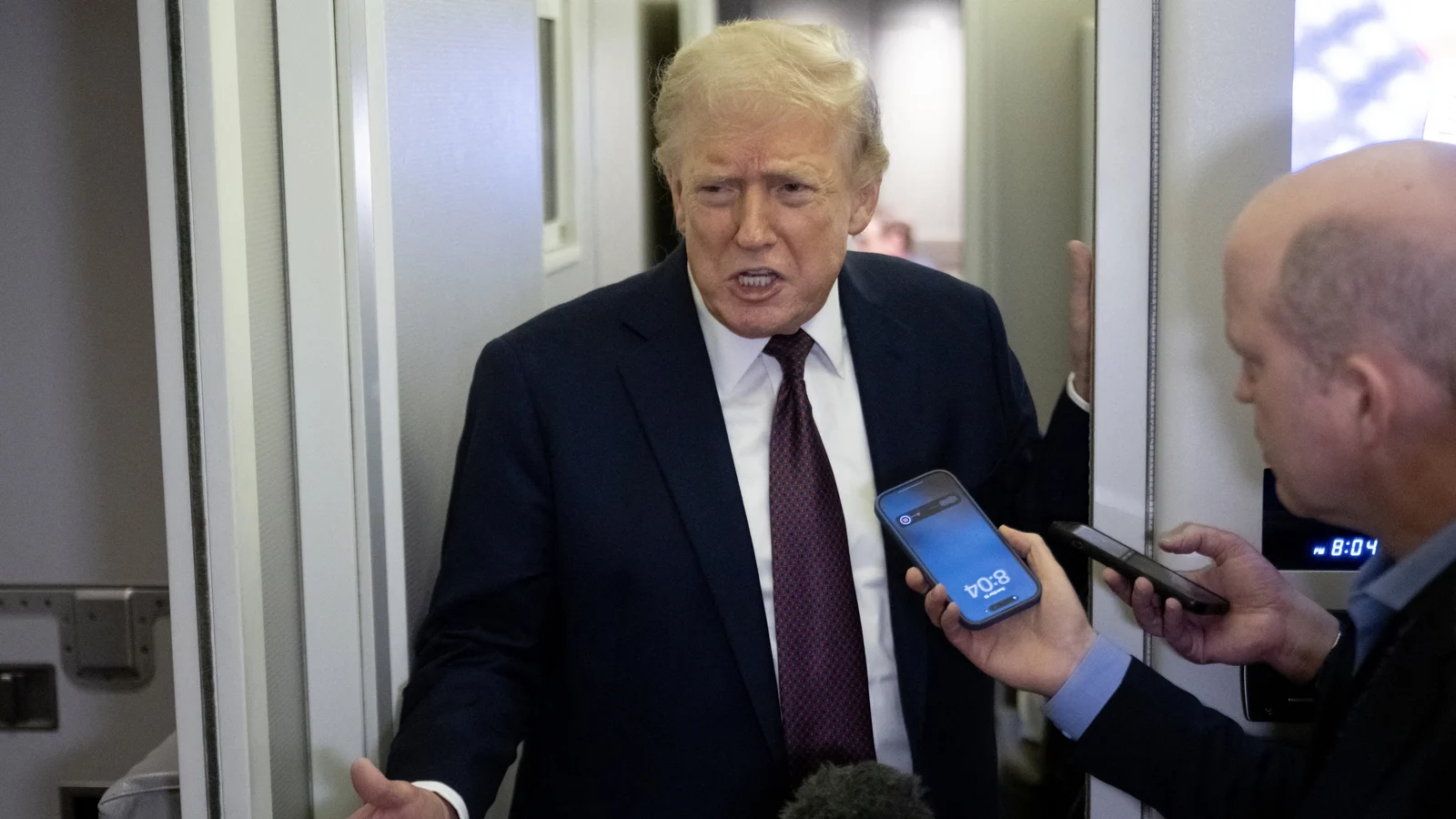
Last week, from the polished cabin of Air Force One, a call went out that rippled across capitals and market screens: the United States asked its partners to form a coalition to reopen the Strait. President Donald Trump argued that countries dependent on Gulf oil should help secure the waters that carry roughly one-fifth of the world’s seaborne petroleum.
The reaction was immediate, and nuanced. Tokyo’s new prime minister, Sanae Takaichi, reminded lawmakers of a legal reality that still shapes Japan’s foreign policy—the pacifist clauses of its post-war constitution. “We have not made any decisions whatsoever about dispatching escort ships,” she told parliament, underscoring Tokyo’s caution and the complex legal calculus involved in sending naval forces thousands of miles from home.
Canberra, too, demurred. “We know how incredibly important that is, but that’s not something that we’ve been asked or that we’re contributing to,” Cabinet minister Catherine King told Australia’s ABC, making clear that, for now, Australia will not be sending warships into the Gulf.
What’s at Stake — and Who’s Being Asked
This is not a parochial dispute. The Strait of Hormuz is the arterial passage for a significant portion of global oil shipments; when it chokes, economies flinch. Asian markets opened cautiously after the president’s appeal — Brent crude ticked more than 1% higher, nudging above $104.50 a barrel — and regional stock indices largely weakened as traders priced in disruption.
The U.S. leader said he had contacted seven countries, and on social media listed hopeful participants: China, France, Japan, South Korea, Britain and others. The suggestion that Beijing should join raised eyebrows. “I think China should help too because China gets 90% of its oil from the straits,” Mr. Trump said — a claim that hardens the diplomatic ask, even as analysts note that global supply chains are more complex than a single statistic suggests.
China did not immediately respond to requests for comment. Seoul said it would “carefully review” Washington’s proposal. European ministers will discuss whether to expand a small naval presence already operating in the region, but diplomats say a decision to extend it to Hormuz is far from certain.
On the Water, the Anxiety Is Real
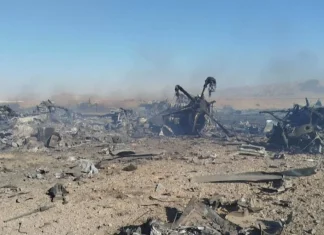
Out on the Gulf, the fear is not abstract. In the past weeks, attacks and interceptions have become almost routine: a drone strike on a Dubai fuel tank that briefly halted flights at one of the Middle East’s busiest airports, Saudi forces intercepting 34 drones in an eastern province within an hour, and intermittent strikes near shipping lanes that have effectively curtailed normal tanker traffic.
“The sea is like it’s holding its breath,” said Mahmoud, a 54-year-old fisherman from Bandar Abbas, who refused to give his last name. “The bigger boats stay further out now. We used to see tankers threading the strait like trains on an endless track. Now everything is quiet, and not in a good way.”
Commercial shippers are feeling it too. War-risk insurance rates for vessels on Gulf routes have spiked in recent weeks, adding thousands of dollars a day to operating costs for carriers and operators. Freight forwarders are rerouting where they can, but the alternative pathways are longer and more expensive.
The Limits of Alliance Politics
What this moment reveals is how alliances strain under different national laws, public opinions and strategic priorities. Japan’s hesitation is not simply bureaucratic; it’s constitutional and cultural. Australia’s abstention is political, reflecting domestic calculations about the risks of entanglement. Europe’s deliberations show a bloc that wants to do something but must weigh the diplomatic fallout and operational feasibility of deploying ships into a volatile warzone.
“Security is not just about the deployment of assets,” explained Dr. Leila Haddad, a maritime security analyst in London. “It’s about legal authority, rules of engagement, intelligence-sharing, and long-term commitment. You can put ships in the water, but if they lack a clear mandate, they become liabilities — and targets.”
And then there is the moral arithmetic. If securing the Hormuz is framed as defending energy supplies, who bears the burden — and who pays the price? The conversation quickly becomes a mirror for broader trends: the geopolitical tug-of-war between great powers, the fraying of collective security guarantees, and the urgent but uneven pace of the global transition away from fossil fuels.
Voices from the Ground and the Bridge
At the Dubai port, a young dockworker named Fatima watched cranes swing in the dusk. “We have customers from everywhere,” she said. “If ships do not come, we feel it. Prices in the market go up. My sister pays more for petrol, for cooking gas. This is not only about politics — it’s our daily life.”
From the policy side, Iran’s deputy foreign minister Abbas Araqchi offered a stark rebuttal to narratives suggesting Tehran is seeking a ceasefire or negotiations. “We have never asked for a ceasefire, and we have never asked even for negotiations,” he told a U.S. program, adding that Iran was prepared “to defend ourselves for as long as it takes.”
That posture hardens the contours of the crisis. If Tehran sees itself under existential threat, and if the U.S. signals potential delay in diplomatic channels pending China’s cooperation, the region could be set on a longer, more dangerous trajectory than officials publicly admit.
Beyond the Immediate: Energy Security and a Changing World
Ask yourself: what does it mean for the global economy if chokepoints become contested spaces? The answer is not only higher oil prices and jittery markets. It’s also an acceleration of conversations about resilience — strategic reserves, diversified supply chains, and infrastructure resilience. It’s about the growing geopolitical leverage of energy exporters and the geopolitical vulnerability of heavy importers.
There’s also a social dimension. In countries that rely heavily on imported energy, a spike in fuel costs trickles down to bread prices, commute costs, manufacturing inputs and family budgets. For many, the geopolitics of Hormuz translates to real hardship.
“We keep being told that the market will stabilize in weeks,” said Ananya Rao, an energy economist in Singapore. “But markets are not just numbers on a screen. They reflect real adjustments — shipping routes recalibrated, insurance markets repriced, investment plans delayed. The assumption that this will be short-lived underestimates the structural effects.”
Where Do We Go From Here?
There are no tidy endings in geopolitics. Coalitions can be formed — and falter. Naval deployments can deter and provoke. Market signals can spur both panic and prudent policy. For a global audience, the lesson is urgent: the things that make modern life possible — the fuel for planes, ships, and trucks; the heating of homes; the operation of factories — are threaded through places like the Strait of Hormuz, and those places carry outsized strategic weight.
So what will you remember when you next fill your tank? Will it be the headline that said the strait was being secured, or the one that reported a spike in prices? Will it be the image of a fisherman tethering his boat in a suddenly silent port, or a diplomat at a roundtable weighing legal briefs and operational mandates?
The waters of the Gulf are narrow, but the choices facing governments, companies and citizens are wide. As the world watches, the question is not only who will sail into the strait to protect it, but whether the global community will reimagine the systems that make such narrow passages so decisive in the first place.