When a City Grieves: How One Killing Brought Federal Agents, Lawsuits and a Global Call for Answers
On a January evening that should have been ordinary—a mother dropping off a child, a community lighting candles—the air in Minneapolis snapped like a wire. Grief arrived first: quiet vigils, flowers pressed into sidewalks, photographs taped to lamp posts. Then came the questions, louder than the sirens: How did a routine immigration operation end with the death of a woman named Renee Nicole Good? Why were heavily armed federal agents deployed across a state that had not asked for them? And who gets to decide how public safety is enforced in America’s towns and cities?
The shooting set off a cascade of reactions that reached from neighborhood corners to the marble halls of state government, and overseas to the United Nations. What began as an individual tragedy became a national flashpoint—raising fresh arguments about immigration policy, federal power, and the use of force by agents whose presence many Midwesterners say they never invited.
A City Without Answers
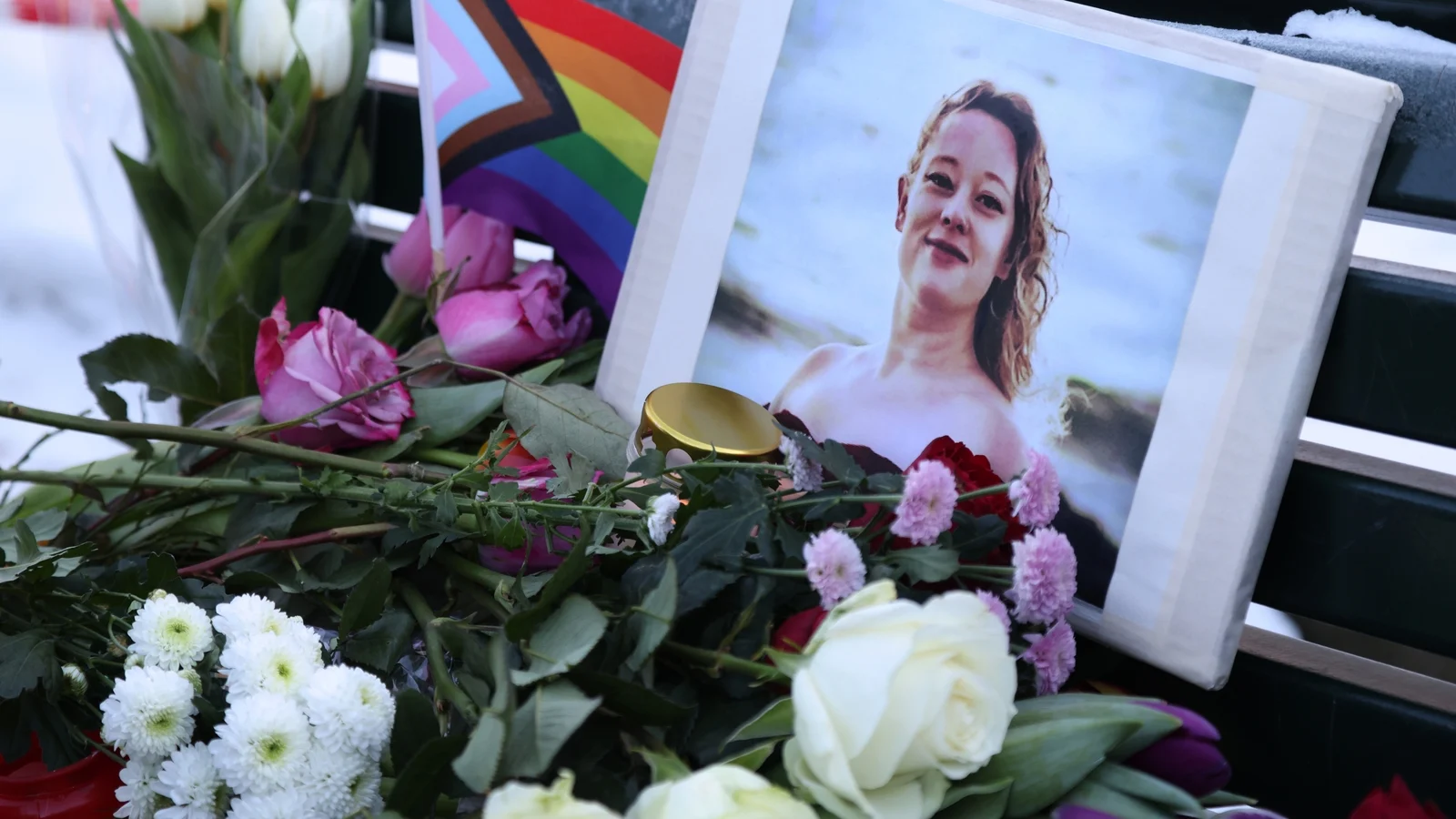
Renee Good, a mother of three, was killed in Minneapolis on 7 January during an encounter with a federal immigration officer. Her death has been followed by protests in cities from Minneapolis to New York, by vigils that will not let the story go, and by a demand that is straightforward and unyielding: an independent, transparent investigation.
“We want truth,” said Marisol Jensen, who brought a bouquet to a vigil outside the station house. “Not a press release, not a filtered video. We want the camera footage, we want the autopsy, and we want people who actually live here involved in the investigation.”
The federal government has said it will investigate through the FBI, while state and local leaders have criticized that approach, arguing that leaving locals out of the inquiry undermines trust and accountability. Minnesota Attorney General Keith Ellison has taken the dispute to court, filing suit against the Biden-Harris administration’s recent deployment of immigration officers to the state—an action he calls an unconstitutional and dangerous “invasion.”
The Surge: Politics, Power and Presence
In recent days, the Department of Homeland Security moved a surge of immigration officers into Minnesota, a state with Democratic leadership and a history of fraught police-community relations. Officials in the state have described the influx as aggressive and poorly coordinated, telling reporters that armed agents—some of them unfamiliar with local neighborhoods—have unsettled residents and strained relations with community organizations that are vital to public safety.
“Thousands of poorly trained, aggressive and armed agents have rolled into our communities,” Minnesota’s attorney general told a press conference, capturing a sentiment heard from neighborhood associations and community clinics. “This is, in essence, a federal invasion.”
Federal authorities say the operation is part of a national push to arrest individuals with criminal records or outstanding immigration violations. In recent years, immigration enforcement has involved a complex web of federal agencies, with hundreds of field offices and thousands of personnel across the country. ICE itself employs a workforce that includes several thousand enforcement officers, and budgets for enforcement have been a flashpoint in debates over immigration policy and civil liberties.
Voices from the Street
On a chilly Saturday, protesters filled a stretch of downtown Minneapolis, their signs a collage of grief and fury. A woman in a winter coat shouted into a megaphone: “No mother should be taken like this!” Nearby, a retired schoolteacher, clutching a thermos, reflected on why the community had come together.
“We live side-by-side with people who are undocumented,” she said. “They are our neighbors, our kids’ coaches, the people who stack shelves and teach our kids. We asked for safety, not occupation.”
Not everyone spoke solely about policy. Some told stories about Renee—an image of a woman who loved music, who cheered at her children’s games, who collected recipe cards. Those humanizing details made the abstract debates about federal power feel sharper, more immediate.
From Local Dispute to International Concern
The killing did not merely reverberate nationally; it drew the attention of the United Nations. The UN human rights office urged a “prompt, independent and transparent” investigation, reminding the United States of international obligations that limit the intentional use of lethal force to cases of last resort when an imminent threat to life is present. The office also cautioned against inflammatory rhetoric and urged de-escalation measures amid high tensions.
“Under international human rights law, lethal force must be strictly necessary and proportionate,” a UN spokesman told reporters in Geneva. “We take note of domestic investigations, but we reiterate the need for impartial reviews that inspire public confidence.”
The Political Crossfire
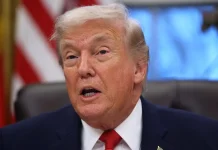
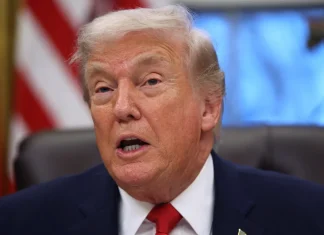
The fallout has predictably spilled into the political arena. The former president took a combative tone online, framing the operation as long overdue and promising “reckoning” for what he described as lawlessness. State leaders, including Minneapolis’ mayor, Jacob Frey, have suggested the choice to deploy forces in Minnesota was politically motivated—directed at a Democratic-led state rather than Republican ones with comparable or larger undocumented populations.
“If the goal were simply to find people who lack papers, you’d see them in Florida and Texas and Utah,” Frey said. “Minnesota’s being targeted for its leadership and its diversity.”
As litigation proceeds—Minnesota is not alone; Illinois has also filed suit—lawyers on both sides argue over statutory authority, the reach of federal agencies, and the constitutional protections that states say federal actions threaten.
What Experts Say
Professor Amara Singh, an immigration law scholar at a Midwestern university, says the case touches on long-standing tensions in American federalism.
“There’s a real legal question about preemption and the limits of federal operations in state jurisdictions,” Singh said. “Courts will be looking at whether the federal government followed its own rules and whether it collaborated with local authorities. But beyond the legalism, there’s a social cost: deploying armed agents en masse erodes trust, which we know is essential for communities to report crimes and cooperate with public safety efforts.”
Public health and mental health advocates have also raised concerns about rhetoric that frames people as “dangerous” or locates blame in mental health institutions overseas—language that can stigmatize people with psychiatric histories and conflates illness with criminality.
Questions Forward
What does accountability look like in a democracy when federal power meets local trust? How do communities balance the desire for safety with the imperative that enforcement be fair, transparent and humane? And how should officials investigate when the parties to an incident include those who represent national authority and those who live every day among the affected communities?
As Minnesota’s courts prepare to challenge federal moves, as families and neighbors mourn, and as the world watches a country that often exports lessons on law and liberty, residents ask a simpler question: will we ever see the whole story?
“Justice isn’t a tweet,” said a community organizer at a downtown meeting. “It takes cameras, it takes witnesses, it takes independent exams—and it takes time. But time feels like a luxury when a life has been taken.”
Final Thoughts
On the street where candles glow and signs flutter, the debate continues—not only about borders and enforcement but about what kind of society we want to be. The path from tragedy to reform is messy and long. Yet every protest, every courtroom filing, every appeal for an independent investigation is part of a larger conversation about power, responsibility and human dignity.
Will the answer come from law or from community? From the judge’s gavel or the neighbor’s testimony? The question now belongs to all of us—because the values we defend in a crisis define us after it passes.