On the Brink: A Region Rewired by Fire and Sound
Night fell heavy over Tehran like a held breath, then shattered. Windows rattled, streetlights flickered, and a sour tang of smoke rolled through alleys where children should have been playing. Fighter jets traced bright, cruel arcs above the city while residents counted the seconds between blasts. For many, the sirens were not just warnings — they were a new atlas of fear.
This is not a small scrape between distant capitals. It’s a widening collision that has already touched embassies, ports, and the soft underbelly of everyday life across the Gulf. From Riyadh to Beirut, the map of normality is being redrawn in ash and diplomatic cables.
Embassies Under Threat, Citizens on the Move
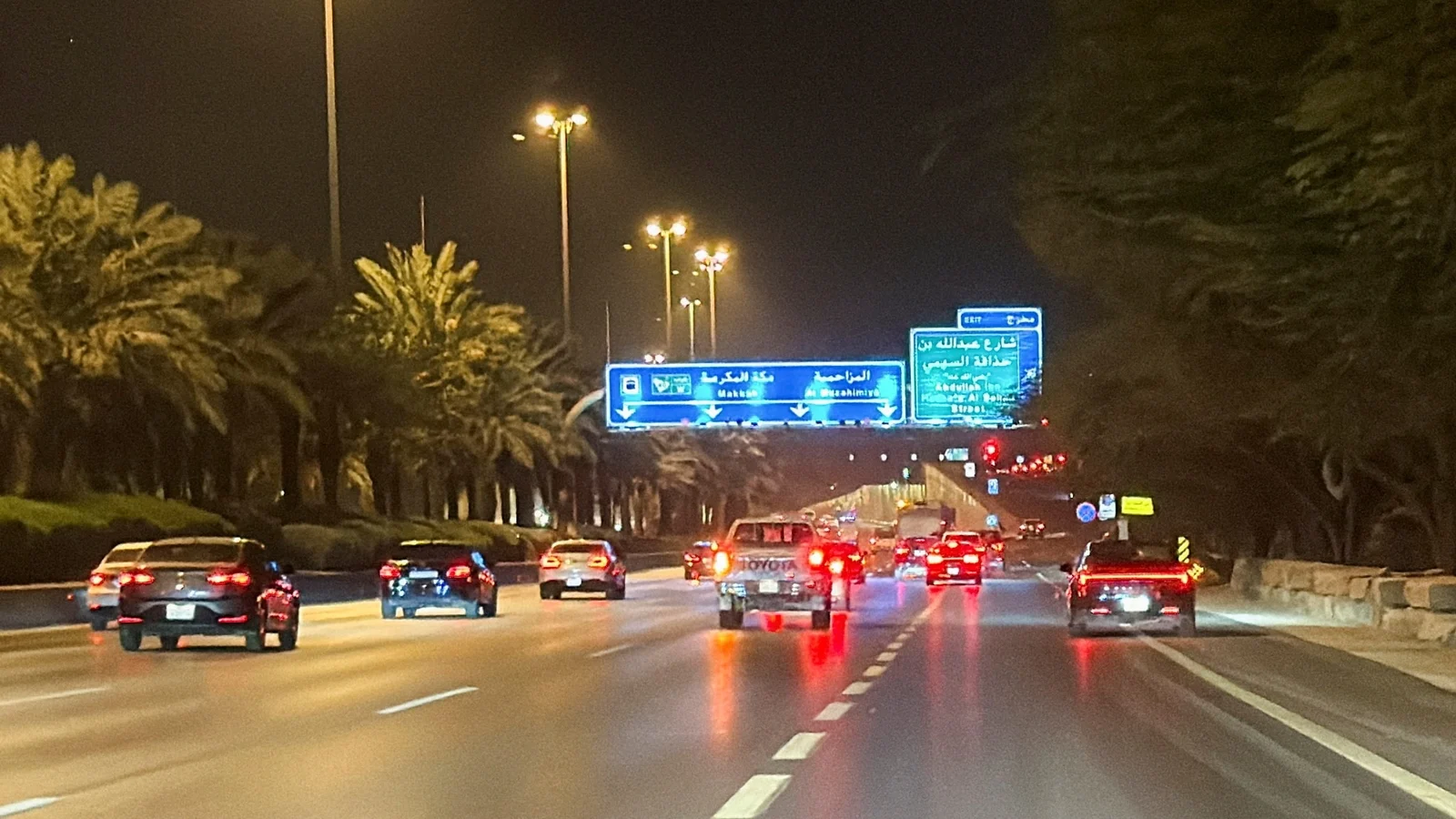
Early this week, alarms rang out in Riyadh when two drones struck near the U.S. embassy compound, leaving a small fire and shattered calm in their wake. Within hours, warnings went out from Washington: non-essential staff in several Middle Eastern posts were asked to leave, and American citizens were told to consider exiting the region.
“We haven’t slept properly in three days,” said a diplomat’s spouse sheltering in place in Jeddah. “You pack and unpack the same bag until the packing itself becomes the only thing you can control.”
Officials in Washington spoke of a campaign that could be measured in weeks, not days, while also acknowledging the capacity for it to stretch longer. Behind the terse public statements were frantic assurances, maps and contingency plans. A U.S. official who asked not to be named said simply: “We are braced for a protracted phase. Our forces are postured accordingly.”
Across the Sky: Tehran’s Night and the Rising Toll
Journalists on the ground reported repeated heavy explosions in Tehran as jets circled overhead; streets normally humming with bazaars and cafes lay uncharacteristically quiet. Some residents were packing to leave, suitcases lined up in hallways like silent sentries. Others stared from windows, trying to make sense of a life interrupted.
“I grew up with mortar drills,” said a woman in her twenties whose family huddled in an apartment above a shuttered shop. “But this is different. This feels like the world ended in the middle of a Tuesday.”
Casualty figures are contested and grim. U.S. Central Command reported military fatalities among its personnel; Iranian outlets and local activist groups have reported hundreds of deaths and scores of injured civilians, some in schools and markets. International human-rights monitors warned that in rapidly evolving conflicts, accurate counts are slow to emerge — but the human stories are immediate and raw.
At Sea: A Chokepoint Turned Flashpoint
One of the starkest threats has been the rhetoric — and actions — directed at the Strait of Hormuz, the maritime choke point through which roughly one-fifth of the world’s seaborne oil moves. The prospect of harassment or interdiction there sends tremors through global energy markets and brings a tangible, everyday cost to consumers far from the Gulf’s shores.
An unnamed commander from a regional military body warned bluntly that any ship attempting passage without consent would face severe consequences. The words themselves — as much a weapon as any missile — forced shipping companies and insurers to reassess routes and risk premiums.
How this matters to you
- About 20% of the world’s seaborne oil passes through Hormuz — any disruption can ripple into fuel prices worldwide.
- Qatar, a major liquefied natural gas supplier, reported production interruptions after attacks in the region — a reminder of how fragile supply chains are.
- Global markets tend to react swiftly to geopolitical shocks; higher transport and insurance costs often translate into broader economic repercussions.
Neighbors, Proxies and the Domino Effect
This is not a two-player game. Israel carried out strikes in Lebanon, targeting positions tied to armed groups aligned with Tehran. Hezbollah, in turn, launched rockets and drones towards Israel, and both sides reported damages and fatalities. Across the region, countries are testing alliances, defending borders and recalibrating age-old enmities.
“We are seeing a cascade — tactical moves that become strategic posture,” said an international security analyst in London. “When one actor uses force, allied networks tend to respond in kind, and that can escalate faster than planners anticipate.”
Diplomacy tried to keep pace. Some Gulf states, long accustomed to operating in a tense equilibrium, suddenly found themselves making difficult choices: intercepting aircraft from a neighbor, sheltering foreign diplomats, or standing down. Ordinary people watched as decisions made in control rooms and parliaments played out on their rooftops.
The Human Cost: Home, Work, and the Unseen Wounds
Walk the streets of Beirut or southern Lebanon after a strike and you see more than broken concrete — you see the texture of fear: the grocery store owner with a ledger stained by dust, the mother cataloguing the day’s sounds for her children (“If you hear two booms, go to the cellar”). You see a generation learning the geography of sirens before the alphabet.
“My son asked if the rockets are angry,” said a teacher in a suburb outside Beirut. “How do you explain politics to a six-year-old who just knows that the ceiling can fall at any moment?”
Displacement follows. Already, airlines and consulates have reported increased bookings; regional charities are collecting sleeping bags and baby formula. Long after the last report fades from the evening news, these communities will be rebuilding — or leaving.
Wider Ripples: Energy, Refugees and the Rules-Based Order
Beyond the immediate horror — lives lost, homes damaged — this conflict raises bigger questions. Who will guarantee the freedom of navigation if a chokepoint becomes contested? How resilient are global energy supplies to fast-moving geopolitical shocks? And perhaps most importantly: what happens when a local conflict pulls in global powers with different priorities?
“We are watching the erosion of restraint,” said a professor of international law. “In such moments, norms — like civilian immunity and limits on targeting — are tested. The long-term damage may be institutional as much as human.”
In the quiet moments, when the sky is momentarily clear and markets briefly steady, the question remains: what world do we want after these headlines fade? Do we return to the brittle status quo, or does this become an inflection point for new diplomacy, for tighter protections of civilians, and for investment in conflict prevention?
How to Watch — and Where to Hope
Follow reliable sources, support verified humanitarian organizations if you can, and ask your leaders what plans are in place to protect civilians and de-escalate. Above all, listen to the people in the affected places: their stories are not abstract geopolitical footnotes; they are the sound and scent of a region trying to survive a winter of fire.
“We are not statistics to be traded on a market,” a Tehran shopkeeper said as his shutters came up slightly one morning between strikes. “We are fathers, mothers, people who want to eat and sleep without counting blasts.”
So read, reflect, and ask — how will the world answer their plea for a life less interrupted?