In the Heat of Miami, an Attempt at Peace — and the Cold Reality Waiting in Kyiv and Moscow
The lobby of a Miami hotel is not the obvious place to imagine the fate of a nation hangs in the balance.
But on a humid December afternoon, beneath palms that rustled like whispered side conversations, delegations from Washington and Moscow sat across from one another in a room that felt more like a crossroads than a conference hall. Men in dark coats and women in quiet silk spoke in clipped, rehearsed tones. Cameras lingered. Couriers shuffled folders. And outside, Little Havana carried on — dominoes clacking in a park, the scent of cafecito drifting through an open window.
“You kind of felt history was here and also ordinary life refusing to stop,” said Ana, a hotel barista who watched the arrivals disappear into a private elevator. “People still need coffee. People still argue about the weather. That didn’t change.”
Who was at the table — and who wasn’t
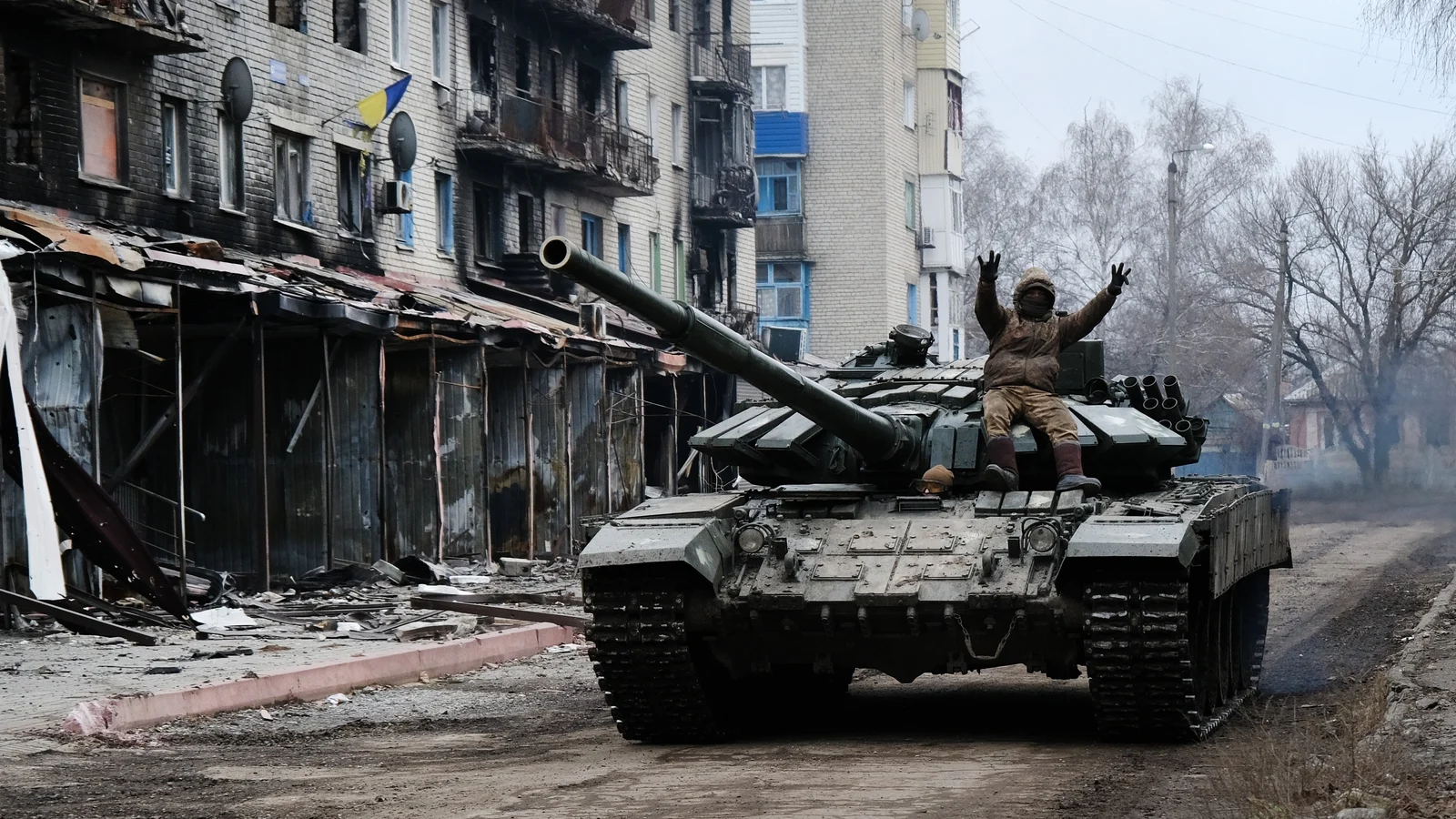
The meeting in Miami was part of a flurry of diplomacy centered on an audacious push by the Trump administration to broker some form of settlement to the war that began with Russia’s full-scale invasion of Ukraine in February 2022.
On the U.S. side, the delegation included special envoy Steve Witkoff and Jared Kushner, who has continued to play an informal role in foreign mediations. Representing Moscow was Kirill Dmitriev, President Vladimir Putin’s special envoy. U.S. officials said discussions with Ukrainian and European representatives took place separately earlier in the week, as part of a broader American effort to see whether common ground could be found.
“The discussions are proceeding constructively,” Dmitriev told reporters after a session, adding that the talks would continue. That cautious optimism was echoed in private by U.S. participants — wary, hopeful, and acutely aware that the margin for progress is narrow.
What’s on the table — and what’s not
At the heart of any negotiation is the age-old friction between security guarantees, territorial integrity and political survival. U.S., Ukrainian and European officials have reported progress on proposals for security arrangements for Kyiv — an idea that has drawn guarded interest from Kyiv as a possible alternative to full NATO membership, which Moscow has long treated as a red line.
But major obstacles remain. Moscow’s stated demands — reiterated by President Putin earlier in a national address — have not shifted from the terms laid out in mid-2024: Ukraine must forswear its NATO ambitions and withdraw from four regions that Russia claims. Kyiv has repeatedly and flatly refused to cede land that Russian forces have not captured, and its leaders insist on maintaining sovereignty and self-determination.
“We agreed with our American partners on further steps and on continuing our joint work in the near future,” Ukraine’s top negotiator, Rustem Umerov, wrote on Telegram, underscoring Kyiv’s cautious engagement with the U.S. initiatives.
Sticking points at a glance
- Territorial claims: Moscow insists on recognition of territories it annexed or claims; Kyiv refuses to relinquish land.
- NATO membership: Russia demands Ukraine abandon prospects of joining the alliance; Ukraine resists foreign dictates about its alliances.
- Security guarantees: Western proposals suggest multi-lateral, perhaps U.S.-backed guarantees — but details on enforcement and timelines are unsettled.
- Prisoner exchanges and humanitarian moves: Areas of potential agreement, often treated as confidence-building measures.
Between hope and skepticism
“The role we’re trying to play is a role of figuring out whether there’s any overlap here that they can agree to,” Marco Rubio, the U.S. national security advisor, told reporters. “That may not be possible. I hope it is. I hope it can get done this month before the end of the year.”
That line captures the dual impulse of these talks: a push for breakthroughs before calendars turn, and a recognition that durable peace requires far more than a single weekend of diplomacy. Intelligence assessments, cited by U.S. officials, continue to warn that Mr. Putin’s strategic objectives may still include capturing all of Ukraine — a claim that hardens skepticism in Kyiv and among many Western capitals.
“We can’t negotiate away our country,” said Olena, a schoolteacher from Kyiv who held a leaflet for missing persons as she attended a small rally downtown. “Talks are necessary. But what kind of peace asks us to forget our homes?”
Local color: Miami’s odd diplomacy theater
Miami offered a striking backdrop for this drama: a city that lives in the in-between — North American but Caribbean-tinged, a place where languages and loyalties cross borders. The meeting’s choice of venue speaks to more than convenience; it reflects a new era where traditional diplomatic capitals are joined by global cities with the logistical infrastructure and relative calm to host sensitive talks.
“We get all kinds of high-profile guests,” the hotel’s concierge told me. “One day it’s a celebrity, the next it’s an envoy talking about nuclear war. It keeps us busy.”
What people on the ground think
A retired diplomat who has watched decades of negotiations cautioned against headline-driven optimism. “You can have constructive talks and still have a long way to go. Constructive means they didn’t walk out. It doesn’t mean they agreed to the same map,” he said, lighting a cigarette on the sidewalk where tourists queued for trolley rides.
In Kyiv, volunteers patch uniforms and collect winter supplies, thinking in practical terms. “Talks mean less shelling, hopefully, and more leave for our fighters to be with family,” a volunteer medic said. “But until ships of ruin stop crossing the border, people will stay nervous.”
Why this matters far beyond Miami and Kyiv
The war in Ukraine is not a regional quarrel with contained impact. Energy markets, grain prices, and the credibility of international law all move with the fortunes of this conflict. Millions have been uprooted; millions more live in shadow — economies strained, cities scarred. If a compromise were possible, it would redraw lines not just on maps but in global politics.
Ask yourself: what is peace worth if it has to be bought with sacrifice that feels like surrender to one side? And what is war worth if it is fought until there is nothing left to bargain with?
Beyond the headlines
Diplomacy often unfolds in agonizing increments. There are confidence-building measures, back-channel conversations, and technical talks about how to verify what is promised. Small wins — a prisoner swap, an agreed ceasefire window — can build momentum. But so too can deception and bad faith.
“The devil is always in the details,” said the retired diplomat. “Security guarantees sound good on paper. But who patrols the demilitarized zone? Who rebuilds what? Who pays for it? And how do you prevent spoilers?”
What comes next
In the coming days, negotiators said the talks would continue. There are practical reasons to keep trying: humanitarian needs, captive exchanges, and the enormous political costs of continued fighting in Europe’s backyard. But until Moscow and Kyiv find a real convergence of interests, any treaty will strain under the weight of competing narratives and existential fears.
As the delegations pack their briefcases and step back into the Miami sunlight, the palms keep swaying. Tourists photograph them unbothered. For others, the sway is a heartbeat — a reminder that life proceeds even as negotiations try to decide whether it can proceed at all.
Will diplomacy bridge the chasm? Or will the talks simply provide another pause in a longer, cruel rhythm? Keep watching. Ask hard questions. Because in the end, peace will need more than negotiators in a humid hotel room — it will require people ready to accept the messy, imperfect compromises that realpolitik and real people demand.