Portland on Edge: A Neighborhood, Two Gunshot Wounds, and a Nation Watching
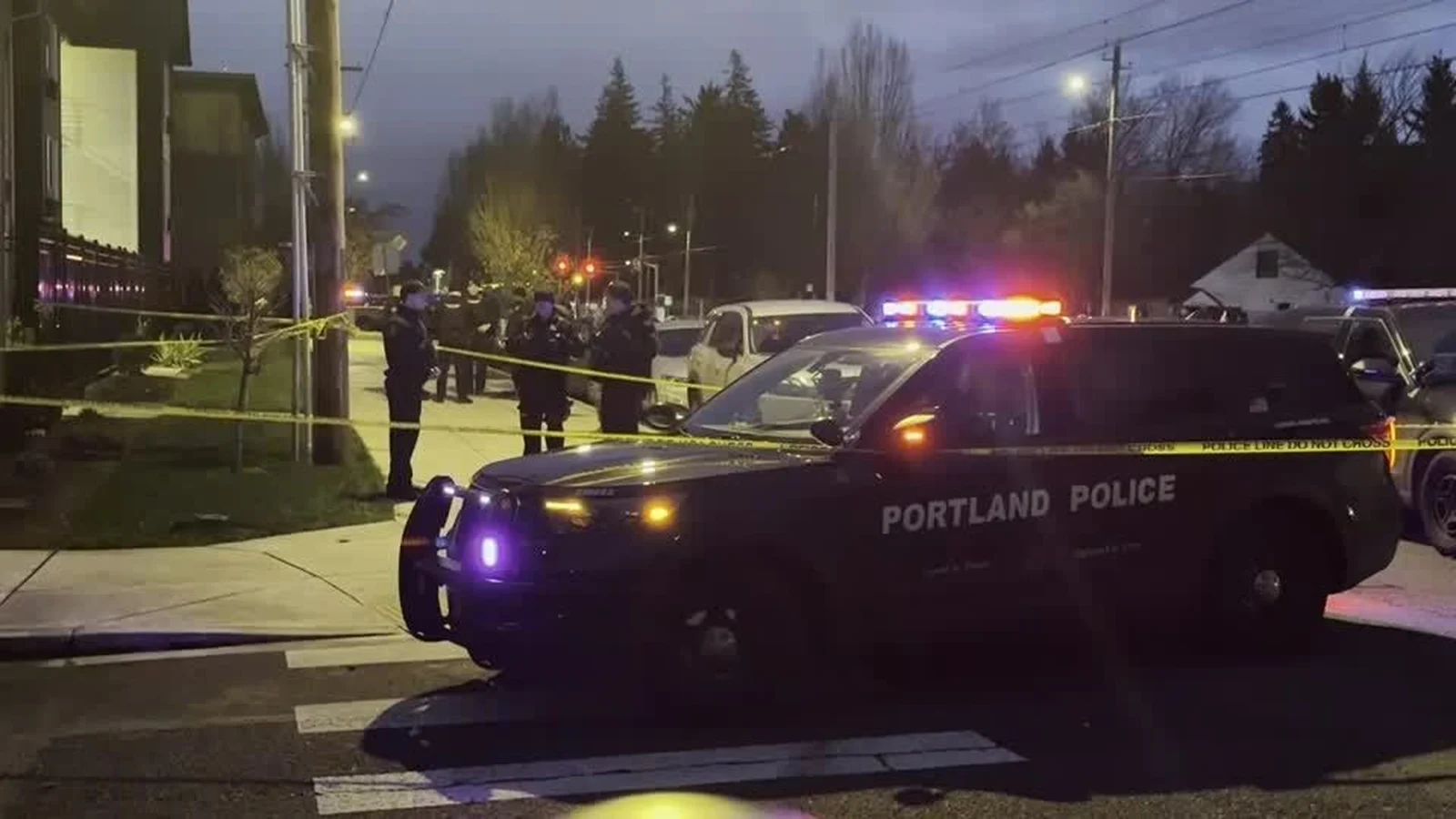
On a gray afternoon in East Portland, near a small medical clinic that serves a tapestry of immigrant families and neighborhood elders, two people — a man and a woman — were struck by gunfire. The city, still raw from images and outrage over a separate fatal encounter in Minneapolis, braced as officials and neighbors tried to stitch together what had happened.
“We’re all holding our breath,” said Ana, a receptionist at a nearby clinic who asked that her last name not be used. “Folks here come for care, not for sirens and statements. You could cut the tension with a knife.”
The scene and the unfolding story
What authorities have said so far is a mosaic of brief official statements and unanswered questions. Department of Homeland Security (DHS) officials say U.S. Border Patrol agents were conducting a targeted vehicle stop when, according to their account, the driver attempted to use the vehicle as a weapon. A single defensive shot was fired by an agent, DHS said, and the car drove away, later stopping about three kilometers from the initial scene where two wounded people sought help.
Portland police arrived at the clinic within minutes, realized federal agents were involved, and shortly thereafter were instructed of two people asking for help blocks away. Officers applied tourniquets and emergency aid before both were transported to a hospital; the current condition of the wounded has not been released.
Local leaders — who have been responding to angry calls and social media posts since word spread — have demanded answers. The FBI has opened an investigation. At a tense news conference, Portland’s mayor and Oregon’s governor urged calm while also pressing for an independent review of the circumstances that led to the shooting and the involvement of federal immigration forces.
A nation’s debate lands in Portland
This incident did not occur in isolation. It landed on the heels of a separate and fatal shooting in Minneapolis, in which an Immigration and Customs Enforcement (ICE) agent shot a 37-year-old woman in her car — a shooting that ignited two days of protests and renewed scrutiny of federal immigration enforcement tactics. Those events have fed a fierce national argument about the scope and methods of interior immigration operations.
“There’s a pattern people are watching,” said Dr. Leila Martinez, an immigration law scholar at a state university. “Interior enforcement agents are being deployed in cities across the country with renewed vigor. That raises questions about accountability, local-federal coordination, and the risks to communities where many residents are already vulnerable.”
ICE and Border Patrol sit under the Department of Homeland Security but operate differently: Border Patrol is a division of U.S. Customs and Border Protection (CBP) and focuses primarily on the nation’s borders; ICE conducts interior investigations, deportations, and criminal enforcement. Together, these agencies account for a substantial portion of DHS’s law enforcement workforce, numbering in the tens of thousands.
Local reaction: fear, anger, a call for a pause
In Portland, the response ranged from icy calm to fiery denunciations. “We are asking for transparency and for a pause in these federal operations while investigations occur,” the governor’s office said in a statement. City leaders echoed that call, arguing that local communities must not be treated as testing grounds for an aggressive enforcement posture.
State Senator Kayse Jama — who arrived in the U.S. as a refugee from Somalia decades ago and has become a vocal advocate for immigrant communities — told a crowd of residents assembled after the shooting that many in Portland feel under siege. “We will not tolerate a wave of enforcement that tears families apart or makes our streets feel like a battlefield,” he said, his voice rising over the murmurs of the crowd. “Our community deserves transparency and safety.”
Meanwhile, a local organizer, Terrence O’Neal, who has helped coordinate vigils and mutual aid in eastern neighborhoods, warned of a larger consequence: “Every time a federal agent pulls a trigger in our city, trust takes another blow. That’s not just political rhetoric — it’s parents who won’t bring their kids to the park, day laborers who stop showing up at the hiring sites, clinics that see people cancel appointments.”
The human imprint: clinics, immigrants, and neighborhood life
East Portland is a patchwork of small businesses, community clinics, churches, and apartment blocks where people from Latin America, East Africa, Southeast Asia, and the Pacific make lives and livelihoods. For many immigrants, a local clinic is less a healthcare provider than a lifeline and a hub of social connection.
“Our waiting room was full of kids doing homework, elders knitting,” Ana said. “We try to make this place feel safe. Today, I watched people look at each other like: what now?”
The presence of federal enforcement moves through that everyday life like an undertow. Even before these recent shootings, Interior enforcement operations had increased in visibility; agents have been deployed to cities across the country this year as part of the federal administration’s emphasis on removing certain categories of migrants and criminal suspects. Supporters of the operations call them necessary for public safety; critics say they erode trust between immigrant communities and the institutions they might turn to in a crisis.
Questions that won’t go away
Several urgent questions hover over Portland now: Were local leaders given a complete briefing of federal action ahead of time? Were less confrontational alternatives possible at that vehicle stop? Who will independently examine the use of force and the decision-making chain that led to the shot fired?
“We need a transparent, accountable process — one that includes independent investigators,” said Dr. Martinez. “Whenever a law enforcement agency fires a weapon, the community must be able to trust that the review is impartial.”
Beyond the headlines: what this moment asks of us
If you live in a city where federal agents are operating on the streets, what do you expect from your leaders? From local police? From the federal government? These are not merely policy questions; they are civic ones about how communities govern safety and rights.
For Portland residents, the immediate need is simple and urgent: clarity and care for those injured, answers about accountability, and assurances that the normal rhythms of neighborhood life — school pick-ups, clinic visits, small business trade — will not be further disrupted by fear.
For the country, the incident is a reminder that enforcement choices reverberate far beyond a single vehicle stop or precinct. They affect trust in public institutions, the health-seeking behavior of immigrant families, and the social fabric of neighborhoods where many focus on work, faith, and family.
As the FBI investigation proceeds and local officials press for a full review, Portland now waits. People light candles on stoops. Clinic receptionists answer phones with voice steady but strained. Activists plan community meetings. And the nation watches, again, to see what will happen when federal power and local life collide on an ordinary street.
What would you want your city to demand in such a moment? Transparency? A pause? Independent oversight? Or something else entirely?