A Berlin Weekend That Could Reset Europe’s Cold War of Choices
On a damp spring morning in Mitte, where the cobbled streets still remember the march of empires, an unusual delegation is arriving in Berlin. It is not just another summit of sober-suited diplomats; it is the latest, raw attempt to broker a peace for a war that has rewritten the map of Europe and the grammar of global politics.
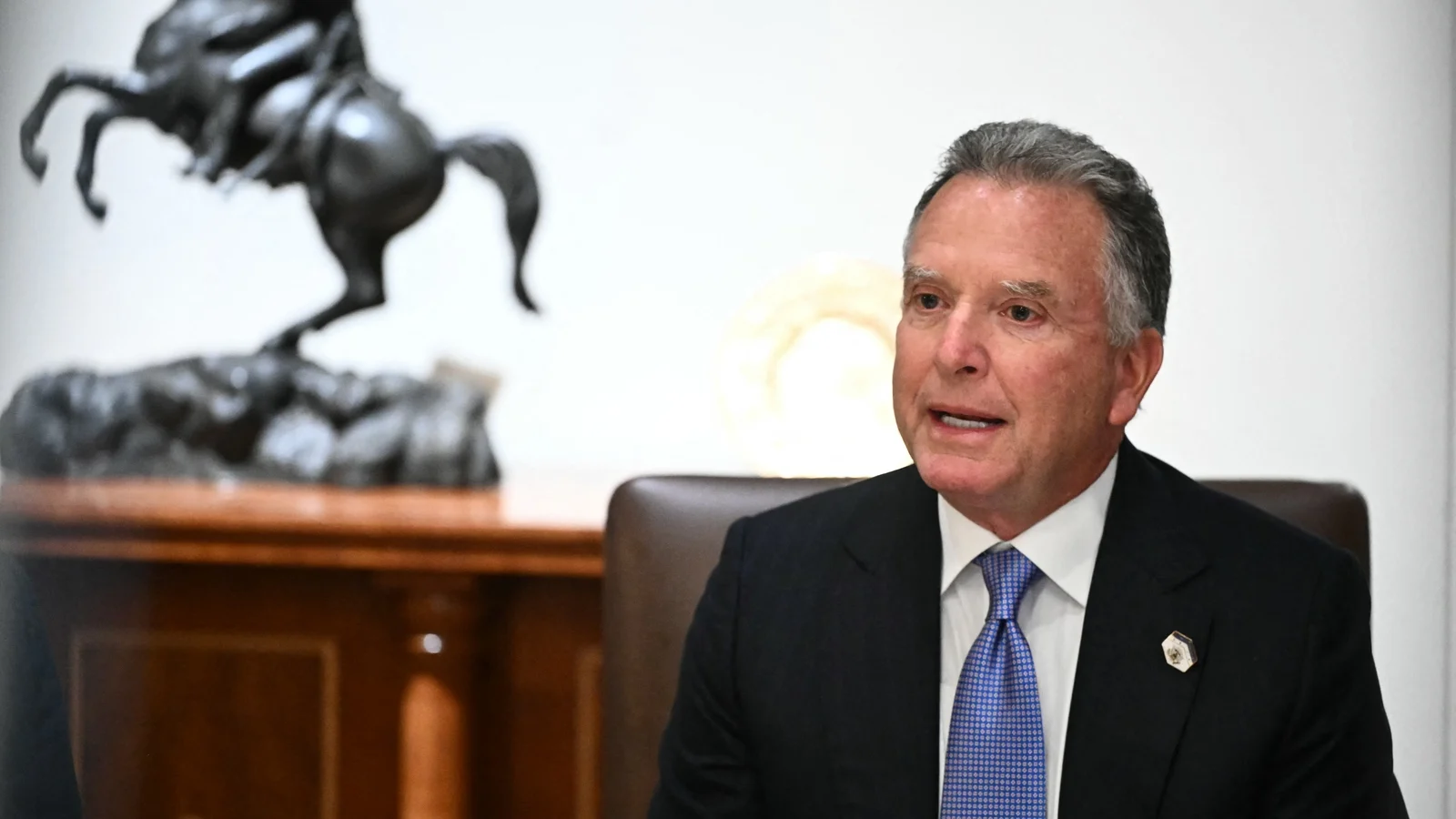
US special envoy Steve Witkoff, appointed amid a flurry of White House diplomacy, will meet President Volodymyr Zelensky and a constellation of European leaders in the German capital this weekend. The aim, according to officials, is urgent and unnervingly complex: to push forward a US-crafted plan intended to end Russia’s full-scale invasion of Ukraine.
What’s on the Table
The United States unveiled a 28-point proposal last month that has polarized opinion across Kyiv, Washington, Brussels and Moscow. The plan has been described by critics as echoing elements of Russia’s demands — chief among them, the thorny question of territory and the notion of a demilitarised buffer in parts of eastern Ukraine.
“We’re trying to move the conversation from what divides to what secures,” said a senior Western diplomat in Berlin, speaking on condition of anonymity. “But security guarantees and territorial integrity are not interchangeable in Kyiv.”
According to reports circulating among the delegations, the updated US blueprint would include a fast-tracked path to European Union accession for Ukraine — a jaw-dropping timeline that places accession as soon as January 2027. That timeline, if true, would smash precedents: EU accession usually takes years of institutional reform and the unanimous consent of 27 member states.
Why the Accession Talk Matters
For Ukrainians, membership in the EU is both a symbol and a safeguard. It is a promise of economic integration, legal standards and a shared identity that many in Kyiv see as a rebuke to imperial designs from the east. For Brussels, it is a gargantuan administrative and political challenge.
“You don’t just sign up and inherit a rulebook,” a senior EU policy adviser told me over coffee near the Brandenburg Gate. “Accession requires deep judicial reform, anti-corruption measures, and unanimous political approval — and Hungary has been a constant spoiler on this issue.”
Indeed, Budapest’s objections have been a persistent headache. Hungary’s Prime Minister has raised concerns about minority rights, governance standards, and political leverage — and he would hold the power of a veto in any accession vote.
Security Guarantees: The Horse Before the Cart?
Beyond the optics of accession, European capitals and Kyiv are insisting on something simpler and harder to guarantee: binding security guarantees before any territorial concessions can be discussed.
“We need legally binding assurances,” Alyona Getmanchuk, Ukraine’s ambassador to NATO, said in a statement. “No meaningful negotiations can begin without them.” Her words are echoed by diplomats in Paris and Berlin, who stress that any deal must prevent future aggression and not merely paper over current hostilities.
French presidential advisors have been blunt. “Ukraine isn’t considering territorial concessions,” one aide told me. “The red lines are clear.”
Moscow’s View — Cautious, Calculated, Suspicious
From Moscow, the reception has been chilly and wary. Kremlin aide Yuri Ushakov warned that the revised plan could be “worsened” and noted that Moscow had not been formally presented with the updated version after recent talks between US envoys and President Putin. The message was not subtle: Russia wants a hand in shaping any peace architecture.
“They’re reshuffling the deck without telling us the new cards,” a Russian foreign policy analyst said. “Of course we’re suspicious.”
That suspicion is rooted in a long history of broken agreements and competing narratives. Moscow sees NATO expansion and Ukraine’s drift to the West as existential threats. Kyiv, scarred by years of occupation and displacement, sees concessions as a perilous capitulation.
On the Ground: Voices from Kyiv and Berlin
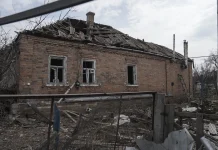
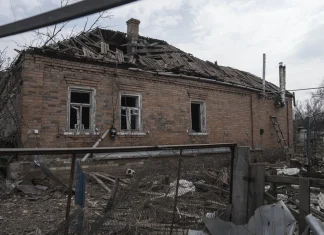
Walk through Kyiv today and you hear resilience threaded through everyday life: women shopping for sunflower oil, fathers teaching children to ride bikes along boulevards scarred by tanks. Yet there is also fatigue — a hunger for a resolution that does not hollow out the nation’s sovereignty.
“We want peace,” says Olena, a teacher in her 40s. “But not at the price of giving away our land. We fought for it.”
In Berlin, the mood is technocratic and anxious. Chancellor Friedrich Merz will host Zelensky at a German-Ukrainian business forum ahead of the leaders’ meeting. German industry — from energy firms still recalibrating away from Russian gas to defense manufacturers supplying Kyiv — has stakes in stability, not fairy-tale solutions.
“German businesses want predictability,” says a trade representative attending the forum. “They can plan investment if they see order, not perpetual uncertainty.”
The Numbers Behind the Noise
Some facts to keep in view: Russia launched its full-scale invasion of Ukraine on 24 February 2022. The conflict has displaced millions and resulted in tens of thousands of military and civilian casualties — figures that remain contested and tragically incomplete. The European Union currently has 27 member states; accession requires unanimous approval and extensive reform by the applicant country.
Meanwhile, battlefield dynamics continue to evolve. Moscow has pushed forward in some sectors; Kyiv has staged resilient defenses and launched counteroffensives when conditions convene. The human cost on both sides has been profound — friends lost, communities uprooted, economy shaken.
Questions That Will Shape the Weekend
Can the US use its diplomatic weight to nudge reluctant EU members into rapid accession talks? Can legally binding security guarantees be formalised in a way that satisfies Kyiv’s demand for sovereignty and Moscow’s thirst for buffer zones? Is there a path that saves face for each capital without forcing Ukraine to cede the very land that defines its identity?
“If we are to avoid another generation of conflict, we must be brave enough to imagine durable institutions and brave enough to live by them,” a retired NATO general told me. “But bravery without clarity is dangerous.”
Why This Matters to the World
This is not just a European drama. The choices made in Berlin will reverberate across alliances, test the limits of American influence, and set precedents for how the world deals with armed aggression in the 21st century. From Tokyo to Pretoria, governments are watching whether collective security, law and the rules-based order can be translated into enforceable reality.
So as leaders gather in conference rooms and delegates murmur in hallways, ask yourself: what kind of peace do we want? One that freezes conflict under watchtowers and buffer zones, or one that invests in a living peace — repairs institutions, lifts economies, and heals communities? The answer will shape Europe’s map and the moral calculus of an international order still learning how to keep promises.
After the Summit
Whatever emerges from the meetings in Berlin, it will require more than signatures. It will demand sustained political courage, legal craftsmanship and, above all, a willingness from all sides to imagine a future where borders are not bargaining chips and where security is shared, not imposed.
“There is no formula that fits neatly into a conference schedule,” Zelensky told reporters before departing for Berlin. “But there is an obligation — to the people who have lived through this war — to try.”
And for readers watching from afar: what would you ask the leaders who hold peace in their hands this weekend? How should the international community balance justice, security and the right of a people to their land? The answers are not simple, but they are urgent.