The Quiet Bazaar, the Shouts in the Streets: Iran on Edge
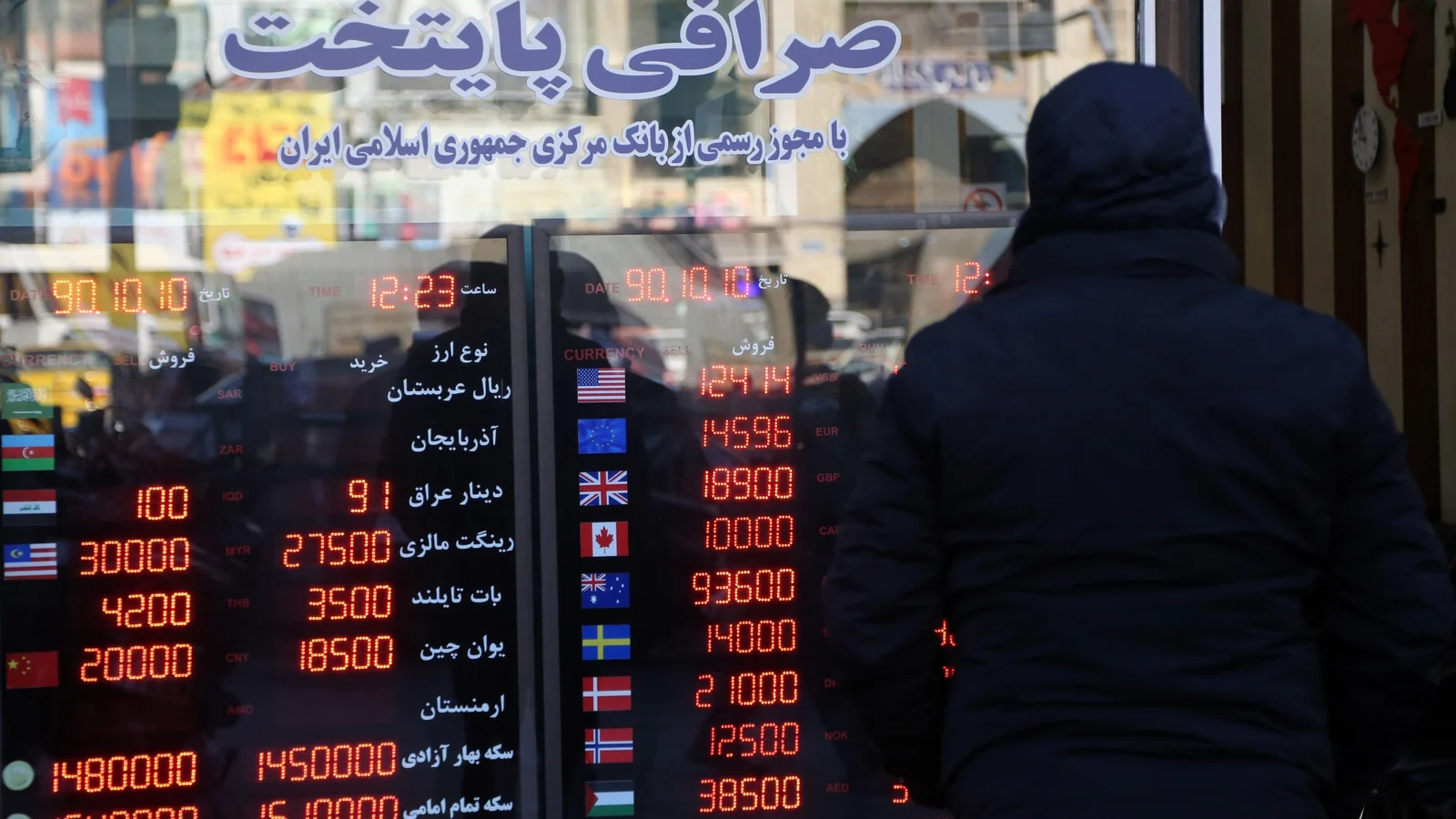
There is a particular hush that falls over Tehran when shopkeepers lock their shutters in protest. The clang of metal against wood is not just a sound; it is a public punctuation mark—an exhale of frustration that ripples from the alleys of the Grand Bazaar to kitchen tables in high-rise apartments. On Sunday that hush spread, then fractured into anger, as clashes between protesters and security forces in multiple cities left at least six people dead, according to Iranian state and semi-official outlets.
In Lordegan and Azna, provincial towns nestled in the rugged western highlands, local outlets reported two and three deaths respectively. State television added that a member of security forces was killed overnight in Kouhdasht. For many inside Iran the numbers are both shock and déjà vu—small in scale compared with the nationwide convulsions of 2022, yet fatal and raw enough to risk another lurch toward escalation.
Why People Are Back on the Streets
At the heart of this resurgence are economy-driven grievances: soaring prices, stagnant wages, and a sense that daily survival is getting harder. Shopkeepers in Tehran, who closed their doors in protest, cited prices for basic goods that have outstripped earnings. “The shelves are full, but our customers are gone,” said an anonymous seller of spices near the bazaar’s eastern gate. “What good is a shop if no one can afford to eat?”
The strike that began in the capital quickly bled outward—neighbors, relatives, and commuters closing stores, standing in small groups, demanding relief. These are not the mass, sustained demonstrations that followed the death of Mahsa Amini in 2022, but they are meaningful: grassroots, spontaneous, and rooted in material desperation rather than a single flashpoint.
Economic Squeeze, Political Flashpoints
To understand why a sewn shutter can feel like a provocation, look at the broader context. Years of economic contraction, recurrent currency collapses, and international sanctions have eaten into household budgets. Unemployment, especially among young people, remains a chronic problem. While official statistics are often contested, independent observers and regional analysts point to consistently high consumer-price inflation and shrinking real incomes as the stew in which social unrest simmers.
“When economic pressure reaches a certain threshold, people start asking political questions,” said an Iranian political analyst who agreed to speak on condition of anonymity. “It’s not just about the price of eggs or petrol; it’s about dignity and choices. Those questions are hard to suppress forever.”
International Tension: “Locked and Loaded” and the “Red Line”
Across the globe, the protests drew immediate geopolitical commentary. U.S. President Donald Trump posted on his Truth Social account that the United States was “locked and loaded and ready to go” if Iran “shoots and violently kills peaceful protesters, which is their custom.” The statement was swift and stark—part warning, part declaration of solidarity.
Tehran responded in kind. Ali Shamkhani, a senior adviser to Iran’s supreme leader, wrote on X that “Iran’s security is a red line,” warning that any external attempt to attack Iran’s security would be met with a response. The rhetoric on both sides sharpened tensions at a time when both domestic instability and external pressure already sit uncomfortably close to flames.
Voices from the Ground
In a tea shop in a narrow street near Azadi Square, a retired schoolteacher stirred her cup and shook her head. “We have lived under sanctions, and then we were told to be patient while leaders negotiated,” she said. “Patience runs out. The younger ones do not want to repeat the same cycle.”
A protester in Kouhdasht, speaking quietly after clashes had died down, said, “We are tired of being invisible—taxed for everything, protected by no one. We want to live with dignity, and because we shout that, we are criminalized.”
Human-rights advocates note a pattern: small, distributed protests driven by bread-and-butter issues can be especially unnerving for governments because they are harder to isolate and extinguish. “These are not coordinated revolts with a clear leadership,” one rights worker said. “They’re a thousand small decisions to say ‘no’ to doing more with less.”
Reminders from 2022—and the Risk of Repetition
It is impossible to talk about unrest in Iran without mentioning the protests of 2022, triggered by the death of Mahsa Amini in custody after her arrest over her dress. That movement spread nationwide and left an indelible mark: estimates of fatalities ranged into the hundreds, with dozens among security forces. The memory of those months—brushing up against a more visible, emboldened civil society—is alive in both the government’s alarm and the protesters’ caution.
Yet the dynamics today differ. The current unrest is smaller and explicitly driven by economic pain rather than a single galvanizing event. And while international statements—overtures of support or threats of intervention—can rally diaspora communities or shift the diplomatic winds, they also risk inflaming nationalist sentiment at home. Many Iranians who disapprove of their government also recoil at the idea of foreign intervention.
What Comes Next?
No one can say for certain whether these strikes and street clashes will grow, stagnate, or fizzle. What is clear is that the conditions that gave rise to popular dissent—economic hardship, constrained freedoms, and generational disillusionment—remain unresolved. And those conditions are not unique to Iran; they are part of a larger global conversation about the social contract in an era of economic polarization.
So I ask you, reader: how should the international community balance moral support for protesters with the dangers of escalating intervention? And at home, how do ordinary citizens reckon with the tension between national sovereignty and universal human rights?
Final Notes: Small Acts, Big Meanings
Back in Tehran, as dusk settled over the city, a solitary shopkeeper re-opened his stall and counted the day’s takings: minimal. He shrugged and smiled—worn, wary, defiant. “We close today, we open tomorrow. We keep working because we must,” he said. “But when enough people are tired of surviving, they will want to live.”
These are not tidy narratives with predictable arcs. They are messy, fragile, and human. They are also reminders that politics often begins over the kitchen table and not in the halls of power. In the thread between shutter and shout, the future is being listened for—one small sound at a time.