In the Dark: Iran’s Streets, Silent Screens, and the Dangerous Glow of Threats
There are nights in Tehran when the city feels like a living thing holding its breath — cars idling, tea shops half-empty, a random radio murmuring old revolutionary songs. Then there are nights when the streets roar. Last week those roars became a chorus that carried the weight of generations: anger at an entrenched political order, grief for those killed in clashes, and an almost palpable demand for change.
What began as mass demonstrations unfolded into one of the most consequential confrontations in years — millions in the streets by some accounts, a week-long internet blackout that cut families off from each other, and a harsh government response that human rights groups say led to mass arrests and fatalities. Amid all this, the international conversation has moved from sympathy to alarm as outside rhetoric and the specter of military action entered the fragile mix.
When Words Become Weather: How Threats Change a Protest
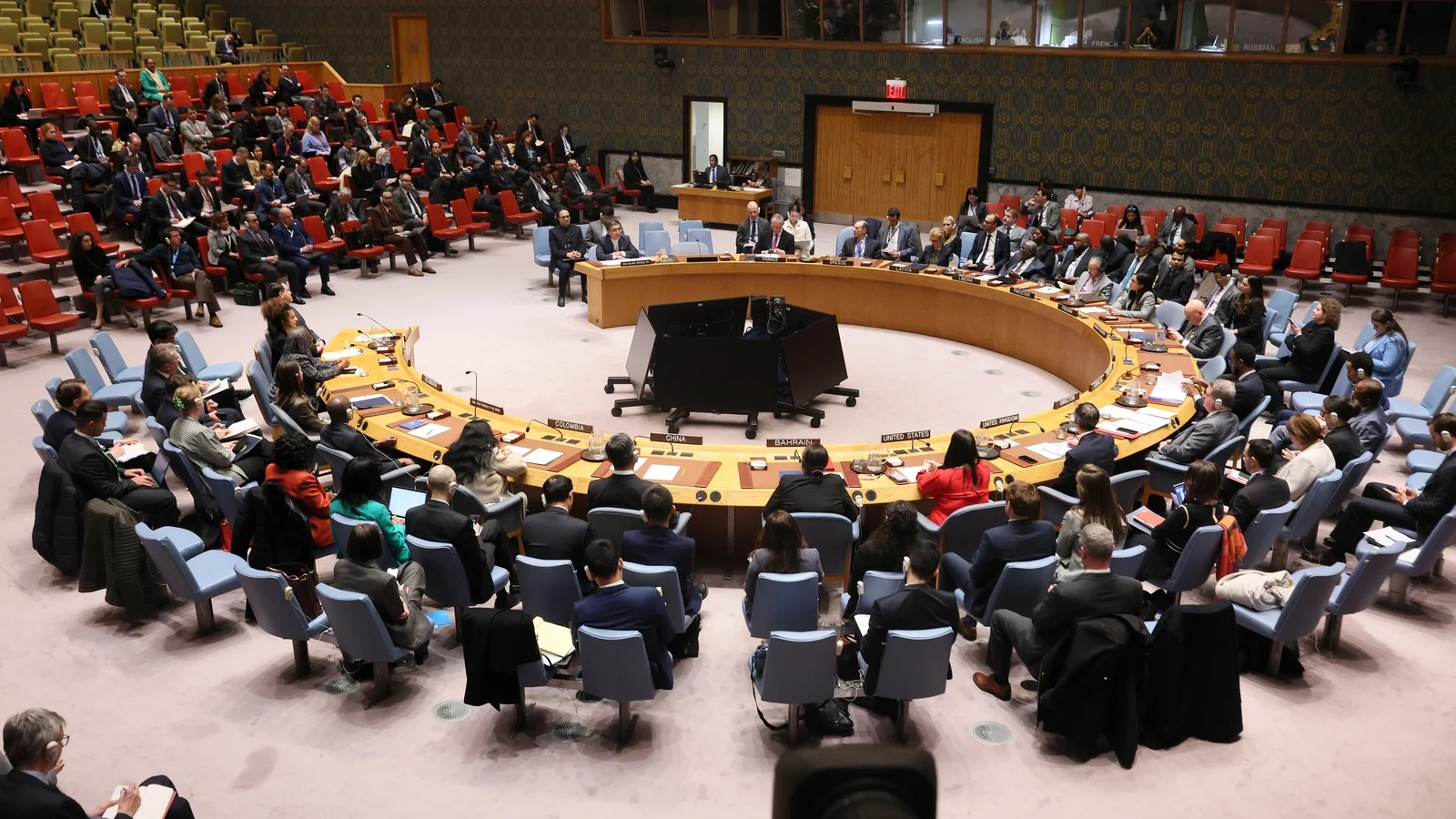
At the United Nations last week, a senior UN diplomat told the Security Council that public talk of military strikes against Iran was fueling “additional volatility” on top of an already combustible situation. “This is like throwing dry kindling into a room full of embers,” the diplomat said. “Every external threat ripples back into the protests and the crackdown.”
The backdrop is stark. Iran is a country of roughly 86 million people, spread across snow-capped mountains, dusty plains, and teeming cities. Its economy has been strained by sanctions and mismanagement; everyday grievances — from joblessness to restricted freedoms — feed political unrest. In such a tinderbox, even a whisper of foreign intervention can change how protesters and authorities calculate risk.
Fear, Resolve, and the Silence of the Net
“We used to send photos at once,” said Leila, a 28-year-old teacher who asked that only her first name be used. “Now my phone is a paperweight. My brother in Shiraz hasn’t answered in days. It’s terrifying and strangely galvanizing.”
The week-long shutdown of internet access — a tactic increasingly used by states confronting mass dissent — did more than frustrate social media updates. It severed lifelines: families couldn’t check on detained loved ones, doctors couldn’t coordinate aid, and the diaspora could no longer bear witness in real time. Global observers say such blackouts are growing more common; advocacy groups warn they are designed to disorient and isolate citizens precisely when solidarity matters most.
Voices in a Global Chorus
From New York to Ankara, the protests reverberated. Western envoys voiced outrage at violence against peaceful protesters and warned of consequences. A representative of a small but vocal diaspora movement said, “People here watched and felt helpless; when leaders abroad talk of action, some see hope — others see danger.”
On the ground, perspectives were mixed. “We want our rights, not soldiers,” said Reza, an elderly shopkeeper in the Grand Bazaar. “Foreign guns would only break our home more.”
That tension — between calls for protection and fears of foreign interference — is exactly what geopolitical actors watch for. When talk of military options becomes public, it can harden positions: governments may double down on repression to demonstrate strength, while opposition figures might feel both safer and more exposed. Neither outcome is stable.
Small Embassy, Big Message: New Zealand Pulls Its Staff
Among the immediate international responses, New Zealand’s decision to temporarily close its embassy in Tehran and move operations to Ankara was notable.
“We evacuated staff for their safety and because the security situation has deteriorated,” a New Zealand foreign ministry spokesperson said. “We also have serious concerns about the excessive force used against protesters. Citizens who can leave Iran should do so.”
The move was practical — diplomats flown out on commercial flights, consular services constrained by the communications blackout — but it was also symbolic: a small country making a loud statement about the limits of tolerance for state violence.
What Does This Mean for Ordinary People?
For families in Iran, the diplomatic theatre abroad is less about strategy than about survival. “I’m not thinking of sanctions or statements,” said Fatemeh, a mother of two. “I’m thinking of my son who went to a demonstration. I want to know he’s alive.”
Human rights organizations have reported mass arrests and urged restraint. While numbers remain contested — and often impossible to verify amid communications blackouts — organizations on the ground consistently report thousands detained and scores killed in clashes. International bodies warn that executions or a widening crackdown would inflame the situation and could prompt further international responses.
Beyond the Headlines: Why This Matters Globally
There are immediate and diffuse reasons to care. First, any escalation in Iran has a regional ripple: proxy networks, cross-border tensions, and energy markets all stand to be affected. Second, the handling of dissent inside a country is a touchstone for international norms about human rights and sovereignty. Third, the use of internet shutdowns as a tool of control raises a global challenge about digital freedom: when states turn off the information tap, who pays the price?
Finally, there’s a moral and political question for foreign governments: when do expressions of support become actions that worsen the very situation they intend to ameliorate? Is it possible to stand with protest movements without turning them into pawns of geopolitical rivalries?
Choices and Consequences
- Diplomatic pressure and targeted sanctions: a non-military path aimed at leaders rather than people.
- Humanitarian engagement: ensuring aid can reach those affected, especially if communication channels are severed.
- Restraint in rhetoric: avoiding language that can be interpreted as an invitation to foreign intervention.
Experts argue that a balanced combination of these steps — pressure, care, and careful speech — can reduce the risk of unintended escalation. “There’s a real art to solidarity without spoilers,” said an analyst who has worked on Middle East diplomacy for decades. “International actors must weigh the immediate urge to defend human rights against the long-term danger of turning a domestic movement into a theater for outside powers.”
What Comes Next?
The coming days will test multiple actors: the protesters, who must decide whether to stay the course in the face of repression; the Iranian state, which will weigh control against potential legitimacy costs; and the international community, which must calibrate responses that uphold rights without turning the country into a flashpoint for broader conflict.
For readers watching from afar, there is a human story beneath the geopolitics: mothers who can’t reach their children, shopkeepers who fear losing their livelihoods, young people hungry for dignity. How would you react if your phone were your only way to prove someone is alive? What would you risk to be heard? These are not rhetorical questions for Iranians alone.
As night falls again over Tehran and phones flicker uncertainly back to life, one thing is clear: the world is watching. How that watchfulness is translated — into cautious support, harsh threats, or indifferent statements — will shape not only the future of a nation but the fragile norms that govern how the international community responds when people rise up for their rights.