Four Years of War: Kyiv’s Candles, the UN’s Alarm, and the World Between Hope and Exhaustion
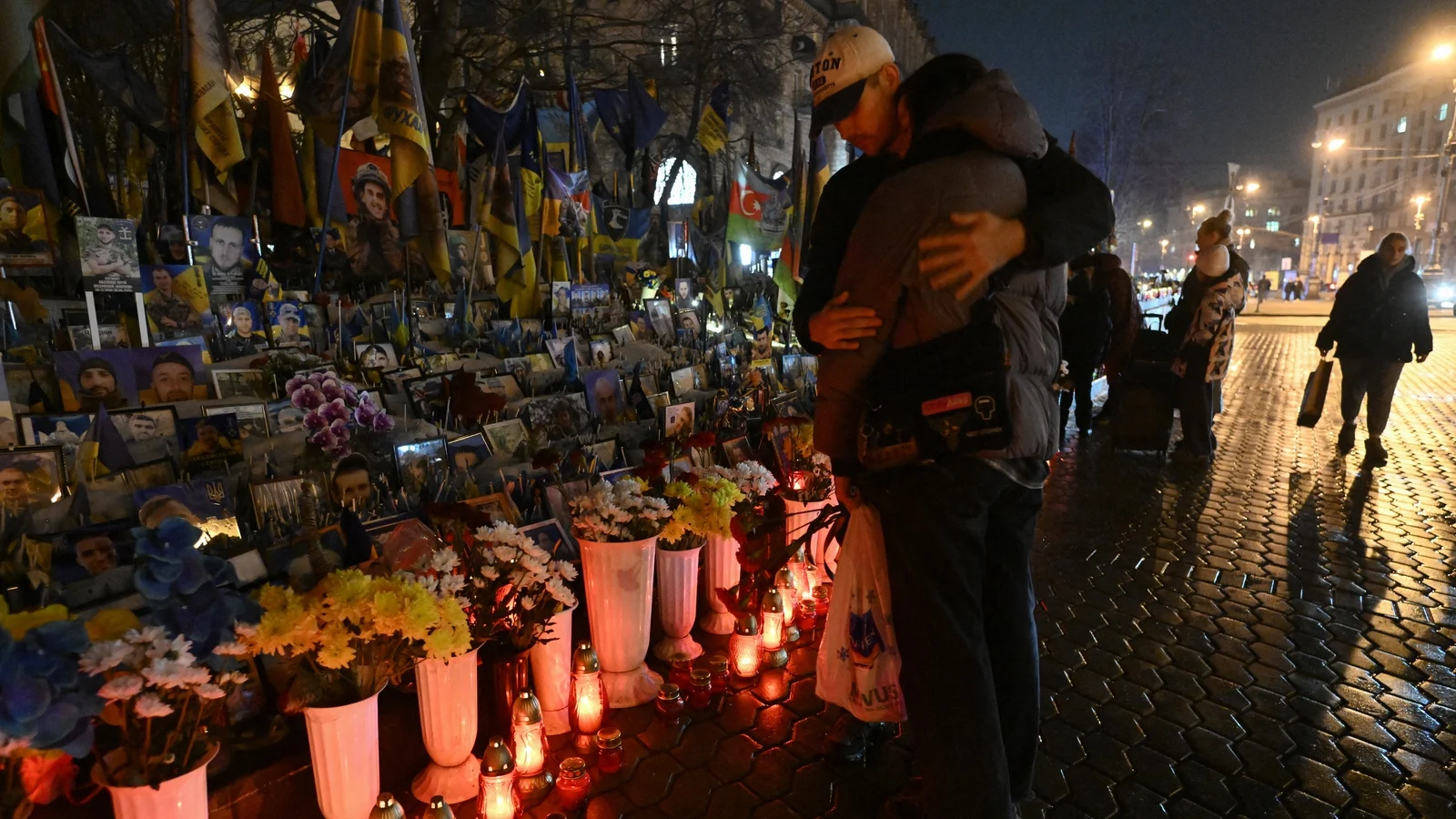
On a wind-scrubbed morning in Kyiv, candles winked like tiny defiant stars across Independence Square. Men in fatigues sat beside ordinary families, and an old woman traced the names carved into a new memorial with the same gentle reverence you might use on a family photograph.
It has been four years since Russia’s full-scale invasion reshaped lives, borders and the language we use to talk about security in Europe. The United Nations marked the anniversary with an urgent, unmistakable rebuke: this war remains “a stain on our collective conscience,” Secretary‑General António Guterres warned, pressing for an immediate ceasefire and a return to diplomacy before more lives are lost.
The human ledger
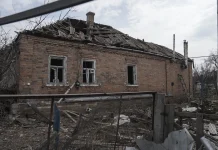
Numbers cannot hold the whole story, but they offer a ledger of loss. At the UN Security Council session convened for the anniversary, officials cited more than 15,000 civilian deaths and upwards of 41,000 injuries since the invasion began, with roughly 3,200 of the killed or wounded being children. These are figures that do not include the quiet violence of shattered routines—schools without classrooms, hospitals with corridors too quiet or too full, harvests lost and futures deferred.
“Every number is a person,” said Rosemary DiCarlo, the UN under‑secretary general who read Mr Guterres’ remarks on his behalf. “Every life cut short, every child whose laughter is now a memory—these are the human costs no calculation should normalize.”
Outside, at the People’s Memorial of National Remembrance, Ukrainian President Volodymyr Zelensky and First Lady Olena Zelenska laid candles with foreign dignitaries and servicemen. They moved among the plaques in a small, deliberate procession that felt less like a ceremony and more like a promise: remember, resist, rebuild.
“Nuclear roulette” and the real dangers on the horizon
Perhaps the sharpest chord in the UN’s message was a warning about the risks to nuclear sites in Ukraine. “This unconscionable game of nuclear roulette must cease immediately,” Guterres declared, a phrase that hung in the chamber like an electric charge.
Even for people far from Kyiv, the image is unnerving—missiles arcing close to facilities that house reactors, spent fuel, or waste. Nuclear safety is not a regional issue; it is a global one. A single misstep could ripple beyond borders, contaminating air, soil and food chains for generations.
On the ground: small moments, large burdens
In a small café a few blocks from the square, where a radiator hissed and a cat slept on a windowsill, I spoke to Oksana, a kindergarten teacher who has volunteered to run free classes for children displaced within the city.
“We teach them to draw the sun again,” she said, smiling through a fatigue that has lines around it like old maps. “Some of them haven’t seen a sunny day in their hearts for years.”
A soldier who asked only to be called Dmytro paused, tracing the seam of his glove. “My brother’s wedding was postponed three times,” he told me. “We are disciplined, we are stubborn. But every day away is another child without a father at the table.”
Zelensky’s plea to Europe: accession, loans, and security guarantees
Speaking via video to the European Parliament on the anniversary, President Zelensky put the moment plainly: Ukraine needs not just sympathy but structure—membership clarity from the EU, economic backing, and clear post‑war security guarantees.
“If there is no date, then President Putin will find a way to block Ukraine for decades by dividing Europe,” Zelensky warned. He pressed the bloc to implement the most recent €90 billion package pledged to Kyiv and urged tougher sanctions on Russian oil and the designation of those who direct Moscow’s war among the sanctioned.
“There must be no place in the free world for Russian oil,” he said, a line meant for both halls of power and skeptical voters across Europe who worry about energy bills and inflation.
What does a security guarantee really mean?
One of the thorniest debates now is what credible security guarantees for Ukraine could look like. Washington has hinted at — but not fully laid out — post‑war guarantees that would deter future aggression. For Kyiv, those assurances need to be tangible: military support, automatic sanctions triggers, or treaty‑like commitments that bind allies to act. For partners, the cost and strategic implications loom large.
“It’s not enough to promise sympathy,” said Dr. Elena Markova, a security analyst who has followed Eastern European conflicts for two decades. “Mechanisms are what matter—deterrence, verification, and a political will to enforce consequences. Words without structures are a recipe for relapse.”
Broader ripples: migration, sanctions, and a shifting world order
Zelensky also linked past and present conflicts—pointing to Russian military support for Syria as part of what he described as a chain of interventions that helped fuel migration pressures on Europe. Whether one accepts that entire causal chain or not, his argument highlights a harder truth: regional conflicts can cascade, creating waves of displacement, economic strain, and political friction across continents.
Meanwhile, sanctions remain a blunt but potent tool. The EU and other allies have stacked punitive measures on Moscow, but debates persist about scope, enforcement and unintended consequences—especially when global energy markets and fragile supply chains are involved.
- EU loan package to Ukraine: €90 billion (recently pledged)
- UN civilian toll cited at the Security Council: 15,000+ killed, 41,000+ injured, including 3,200 children
- Four years since the invasion began: Feb 24, 2022–Feb 24, 2026
What the world is being asked to do
Guterres and Zelensky both offered a simple yet heavy prescription: de‑escalate, fund humanitarian relief, and negotiate a peace that respects Ukraine’s sovereignty. The language is straightforward. The politics are not.
“Enough with the death. Enough with the destruction,” Guterres said. “It is time for an immediate, full and unconditional ceasefire—the first step toward a just peace that saves lives and ends the endless suffering.”
But how do you get to that ceasefire? Through diplomacy backed by clear incentives and deterrents, some argue. Through continued military and humanitarian support to Ukraine, others insist. Through a combination of both, many believe is the only realistic path.
Questions for readers
What does responsibility look like for countries far from the front lines? Do moral imperatives trump pragmatic concerns about cost and political risk? And, perhaps most urgently—how do we keep the global community engaged without letting compassion curdle into fatigue?
These are not abstract queries. They are the pulse checks a world reliant on order must ask when that order cracks. The candles in Kyiv will keep being lit, one by one. The question for the rest of us is whether we will see those lights as call to action—or allow them to be another mournful routine in an ever‑lengthening ledger of wars.
“We keep remembering because if we forget, we repeat,” a volunteer named Pavlo told me as he adjusted a line of votive candles. “We keep fighting because if we stop, someone else will start again.”
And so the anniversary passes: part vigil, part political contest, and entirely human. The choices made in the coming months—over loans, accession timetables, and the shape of post‑war guarantees—may not bring back those who are gone. But they will shape whether the next generation grows up in a neighborhood lit by safety or by the glow of warning lights.