Lebanon on the Edge: Smoke, Bridges and a Million People Uprooted
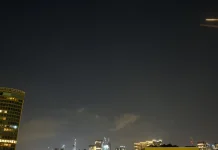
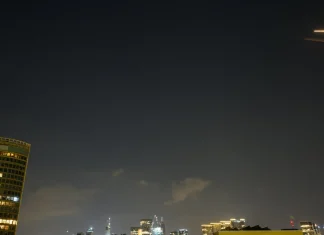
When the dawn broke over Beirut’s southern suburbs this week, the skyline smelled of diesel, dust and scorched earth. Columns of smoke rose where apartment blocks should have stood. Streets that once hummed with small cafés and vendors hawking warm manaqish were empty, except for the footsteps of soldiers and aid workers moving like ghosts through the rubble.
The United Nations refugee agency says the scene is no longer a localized emergency—it is a humanitarian crisis threatening to tip into catastrophe. “The situation remains extremely worrying and the risk of a humanitarian catastrophe … is real,” Karolina Lindholm Billing, the UNHCR’s representative in Lebanon, told journalists from Beirut. Her warning carried the dry, exhausted cadence of someone who has watched displacement become routine, then spiralling.
A country emptied, a city half-abandoned
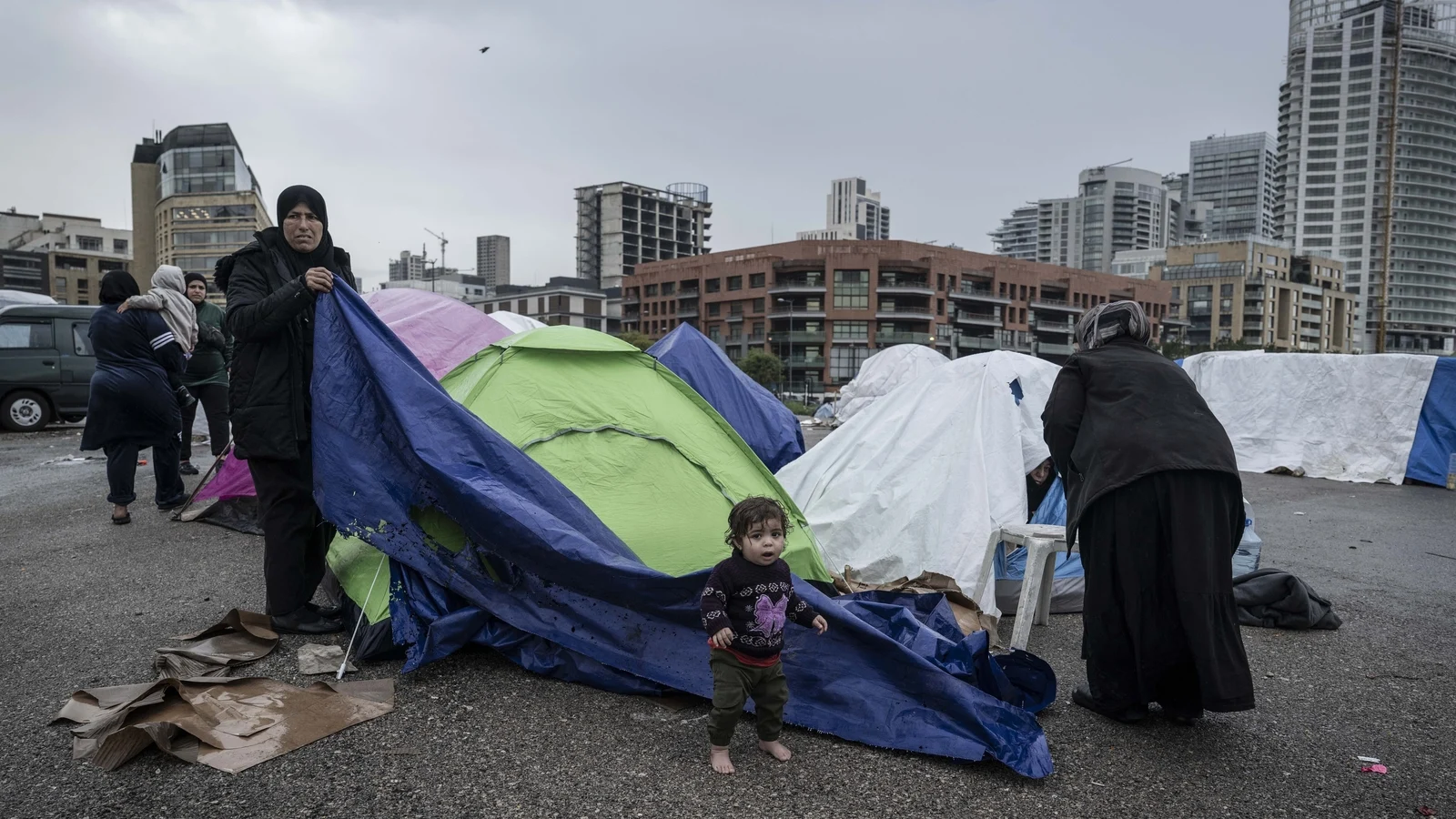
More than one million people—roughly one in five of Lebanon’s residents—have fled their homes since the violence escalated on 2 March, UNHCR figures show. In a country already carrying the scars of years of conflict, the numbers are brutal in their simplicity: families piled into cars, men with suitcases, grandparents clutching plastic bags of medicines, children too tired to cry.
“We left with nothing,” said Amal, a mother of three who fled southern Beirut. “No one told us where to go. We slept in a school gym for two nights. My youngest keeps asking when we will go home, and I don’t know what to tell him.” Her voice, soft and steady, carried the kind of grief you hear after all the shouting has stopped.
Lebanon’s transport arteries have been hit hard. The UNHCR reports that destroyed bridges in the south have isolated about 150,000 people—communities now cut off from aid convoys, basic health services and clean water. With roads impassable and checkpoints increasing, relief organizations are scrambling to reroute supplies; some convoys have been denied permission to enter contested zones because of security concerns.
Schools, hospitals and the fragile scaffolding of daily life
The damage is not only physical. UNICEF’s representative in Lebanon, Marcoluigi Corsi, described the human toll in a briefing that read more like a catalogue of quiet suffering. “The mental and emotional exhaustion weighing on the children of Lebanon is just devastating,” he said, noting that an estimated 19,000 children are being uprooted every day—many for the second or third time in little more than a year.
Hospitals, water stations and schools—those thin threads that keep daily life intact—have been hit. Tens of thousands have been cut off from safe water or reliable health care. A pediatric ward that used to be full of lullabies now sits dark, its incubators evacuated. Classrooms once lit by sunlight have become sleeping halls for displaced families; playgrounds serve as makeshift distribution points for bottled water and powdered milk.
“We are losing a generation to trauma,” said Dr. Nadim Azar, a psychologist working with a Beirut NGO. “Even if the buildings are rebuilt, the emotional damage is long-term. Children learn what safety feels like from their surroundings. When those surroundings are gone, there’s an erosion that’s harder to repair than concrete.”
Frontlines move closer to neighborhoods
Morning raids struck Tahouitet al-Ghadir in the southern suburbs, local media reported, and AFP correspondents described several explosions heard in the Hezbollah stronghold. Israeli military messaging urged civilians in certain villages to move north of the Zahrani river ahead of anticipated operations, but residents and local journalists say specific, timely warnings were not always given.
“We received a general warning days ago, but not about this strike,” said Hassan, who runs a small grocery in the Dahieh neighborhood. “By then, many of us had already left. Those who stayed, waited. You can’t survive by waiting when the sky starts to fall.”
Official tallies are stark. Lebanese authorities say at least 1,116 people have been killed since the strikes began, including 121 children. Israel reports military casualties as well—its armed forces said two soldiers were killed—and emergency services in northern Israel reported at least one civilian killed in a rocket strike near Nahariya. Hezbollah confirmed cross-border attacks in response, and the confrontations have taken on the anxious rhythm of tit-for-tat escalation.
Local color and the resilience of everyday people
In the small towns of south Lebanon, the call to prayer echoes over empty fields and shuttered shops. Elderly men still sit under fig trees and sip coffee, their conversation punctuated by the clack of dominoes that continues despite everything. In Beirut’s quieter neighborhoods, neighbours share what they can—an extra tin of beans, a slice of bread, a blanket—because Lebanon’s social fabric, frayed though it is, still holds in small ways.
“We are used to hardship,” said Fatima, an elderly volunteer distributing water bottles from the back of a pickup. “We have hosted refugees for years; now our people are refugees again. We pray, we share, we survive. But this is different. This time, the shelters are full.”
How the world watches—and what it could mean
Lebanon was already hosting a large number of refugees prior to this most recent exodus, including more than a million Syrians who fled the war next door in earlier years. That pre-existing pressure on housing, infrastructure and services has made the current displacement more dangerous and complicated.
Global attention is sporadic and often shallow—headlines flash, then move on. But for the people living these moments, the consequences are enduring: disrupted education, scarred bodies and minds, businesses shuttered, and an economy that was fragile long before the latest waves of violence.
What does it take to prevent a full-blown humanitarian catastrophe? “Access, access, access,” said Leila Haddad, who coordinates logistics for an international relief agency in Beirut. “Permission to reach people, security guarantees for convoys, fuel to power hospitals and pumps. And—funds. A little money goes an unbelievably long way here, but the decisions to release funds tend to lag behind the moments when they’re most needed.”
Questions worth asking
As you read this, consider what displacement means in a place already under strain. What does a million uprooted people do to a country of about six million? How does a society stitch itself back together when bridges fall and corridors of aid are contested? And at a more personal level: what can distant readers do when they feel helpless—donate to verified agencies, pressure policymakers for humanitarian corridors, or simply keep attention focused on those quietly bearing the cost?
There are no easy answers. Yet what is clear is that the story unfolding in Lebanon is not an isolated news cycle; it is a chapter in a larger global conversation about conflict, displacement, and the responsibility of states and neighbors to protect civilians. The minutes and meters of this conflict—the airstrikes, the bridges, the emptied classrooms—are visible. The slow work of healing, rebuilding and reconciliation will demand far more than headlines and promises.
For now, the people of Lebanon wait, move, sleep in gymnasiums and mosque halls, trade stories over cups of boiled coffee, and count—quietly—the days until there is a reason to believe in a different morning.