In the streets, in the halls of power — a country on a knife-edge
Walk down any avenue in Tehran and you feel the residue of a week that refused to quiet itself easily: flyers stuck to lampposts, the smell of smoke and last night’s grilled kebab lingering in the cold air, fresh graffiti layered over older slogans. Shopkeepers sweep their doorways with the same mechanical rhythm they always have, but their eyes dart differently—faster, sharper. For many Iranians, the ordinary choreography of daily life now plays out under the shadow of protest and the calculated silence of a severed internet.
What started as one of the largest eruptions of public anger in recent memory has, by many accounts, ebbed under the weight of a heavy-handed security response and a near-complete communications blackout that lasted nearly a week. The demonstrations—remarkable for their geographic spread and the diversity of people in the streets—left a trail of questions that will outlast the temporary calm: What does dissent look like in an authoritarian climate? How do outside threats reshape a domestic crisis? And at what cost to civilians when great powers speak in the language of bombs?
“This external dimension adds volatility” — the UN speaks up
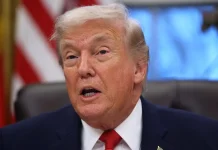
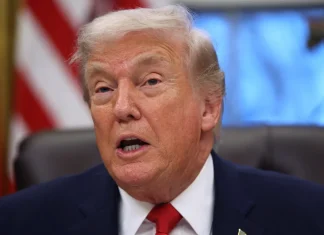
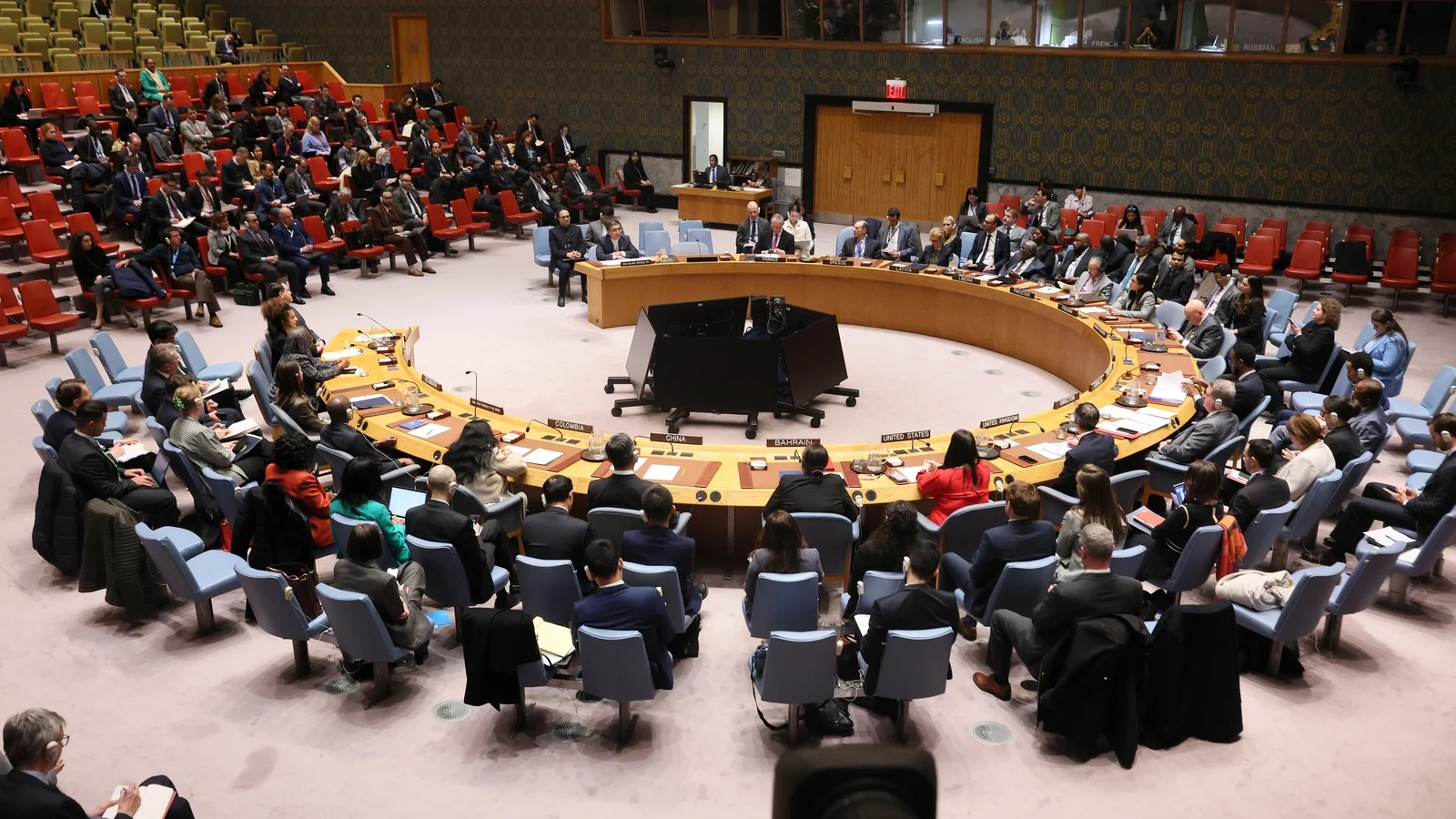
On the world stage, those questions were addressed bluntly inside the United Nations Security Council. Martha Pobee, UN Assistant Secretary-General, warned that public talk of military strikes against Iran—remarks reportedly made by the U.S. president and echoed, to a degree, by other voices in Washington—was not neutral. “This external dimension adds volatility to an already combustible situation,” she said, urging restraint and counsel to prevent further deterioration.
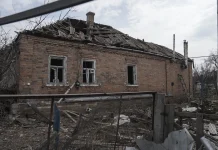
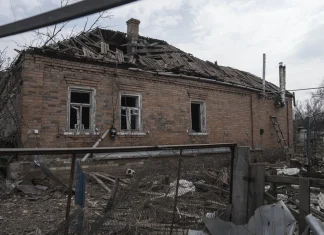
Her warning was not merely diplomatic phrasing. It reflects a hard truth: when foreign capitals suggest military options, the optics ripple through embattled streets as loudly as any mortar. For protesters already confronting live rounds, water cannons, and mass arrests, the threat of external military action complicates their calculus. It changes how the security apparatus behaves and how ordinary people measure risk.
Voices from the ground — anger, hope, exhaustion
“We are exhausted, but we are not silent,” said Fahimeh, a teacher in her thirties who allowed me to report her name. We met in a crowded teahouse where the patrons spoke in low tones, as if the walls had ears. “If the world thinks military threats will help us, they misunderstand. We want dignity at home. We don’t want to be pawns.”
A taxi driver I flagged down near Enghelab Square, who gave his name as Rahman, was blunt: “When the internet went out, it was like someone had closed the windows of our house with tape. You couldn’t hear anyone. You couldn’t tell if your brother was safe.” He tapped the steering wheel. “People are scared. People are angry. But they also remember. The rivers of protest do not dry because the taps are turned off.”
Not every voice called for confrontation. An older woman arranging pomegranates at a market stall summed up a more private grief: “We did not come out to fight empires. We came out to be seen, to be heard at our own kitchen tables. These are not political slogans for us; they are prayers for our children.”
At the UN, familiar faces and fiery testimony
In New York, Iranian‑American journalist Masih Alinejad addressed the Security Council—invited by the United States—and framed the uprising as a broad-based rejection of clerical rule. “All Iranians are united,” she declared, “millions of Iranians flooded into the streets demanding that their money stop being stolen and sent to Hamas, to Hezbollah, to Houthi fighters.” Her remarks drew loud nods from some and stiff rebukes from others.
U.S. Ambassador to the UN Mike Waltz echoed a firm, short message: “The United States stands by the brave people of Iran, period.” He argued that the domestic repression inside Iran carries consequences for international peace and security, a claim that helped justify the security council’s attention.
Why talk of military strikes matters
It’s tempting to view threats of force as mere rhetoric—posturing that never moves beyond the podium. But the reality is more dangerous. Military threats can harden the behavior of state security forces, provide regimes with a convenient narrative of external enemies, and make it easier for leaders to justify brutal crackdowns as acts of national defense. For protesters, that means the difference between a march and a massacre.
“External pressure can be double-edged,” said Dr. Leila Haddad, a scholar of Middle Eastern politics. “On one hand, it can embolden civil society by sending a message of international support. On the other, it allows the government to frame dissent as foreign-instigated and escalate violence with impunity.”
Global ripples
The implications reach beyond Tehran’s neighborhoods. Iran sits at a geopolitical crossroads—the Persian Gulf’s shipping lanes, a network of proxy groups across the Middle East, and a volatile diplomatic relationship with the West. Statements about military strikes are not made into a vacuum; they feed regional anxieties and could trigger reactions from allied groups or neighboring states.
The human cost of silence and signals
An internet blackout is more than an inconvenience. It fractures families, hampers access to emergency services, and disrupts commerce. Economists have long noted that communications shutdowns can cost economies millions per day, and the cumulative toll—on livelihoods, health, and mental well-being—adds up fast.
Human rights organizations and diaspora networks have reported mass arrests and casualties, although independent verification inside closed-off neighborhoods remains difficult. “The fog of blackout makes documentation nearly impossible,” one volunteer with a rights group told me. “That’s the point. Without light, the abuses continue in shadow.”
Where do we go from here?
If this moment teaches anything, it is that the arc from street-level grievances to global confrontation is short and treacherous. The world can either amplify voices in ways that protect civilians, or it can reduce them to bargaining chips in a geopolitical game.
So I ask you, reader: when is international intervention truly in service of people, and when does it become another form of harm? Do threats of force shield protesters, or do they hand their oppressors a ready-made excuse to crack down harder?
Watch list — what to look for next
- Whether communications are restored and how censorship evolves.
- International diplomatic moves—sanctions, negotiations, or escalatory rhetoric.
- Independent verification of arrests, casualties, and legal proceedings against detainees.
- Local civil society resilience: mutual aid networks, underground journalism, and legal defense efforts.
Parting scene
Before I left Tehran, I stood on a rooftop with students who had been outking during the loudest nights. Someone produced a thermos of tea. We watched the city breathe—headlights skimming through empty boulevards, the minarets standing like dark questions against the sky. One of the students, a young woman named Samira, said simply: “We don’t want headlines. We want justice at home.”
The rest of the world can take note, send messages, marshal diplomacy. But if we are to be useful, let us do so with humility and an appreciation for the delicate, dangerous work being carried out by ordinary citizens who, despite everything, still step into the street and chant for a future they have not yet dared to imagine fully. That is where the story is lived—and where the consequences of our words are felt most keenly.