Geneva on Edge: Quiet Halls, Loud Threats — Can Negotiations Pull the Region Back from the Brink?
On a frigid morning in Geneva, the air inside the diplomatic compound felt oddly domestic: the whisper of shoes on carpet, the soft clink of porcelain cups, negotiators leaning across polished tables to speak in low, deliberate tones. Outside, the city hummed with the usual cosmopolitan calm — trams, cyclists, and a late winter sun slipping behind the Alps — but the conversation beneath that calm carried the weight of potential catastrophe.
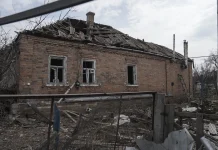
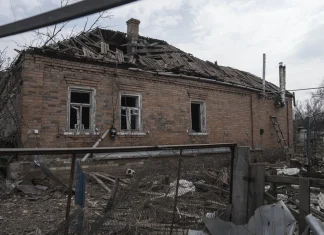
After weeks of public barbs, missile warnings, and a sweeping US military build-up in the region, Washington and Tehran have agreed to sit at indirect talks in Switzerland. The stated aim is simple and urgent: to avert fresh conflict. The stakes, however, could not be higher. The shadow of last summer’s violent flare-up still lingers; the memories of air strikes, damaged installations and frayed alliances are fresh for many.
What’s on the Table — and What Isn’t
At the heart of the dispute is a familiar knot: Iran’s nuclear program. Western governments, and Israel above all, fear Tehran’s work could lead to a weaponized capability. Iran insists its nuclear activities are peaceful, aimed at energy and research.
But this round of diplomacy is not limited to uranium and centrifuges. Washington is pushing to fold Iran’s ballistic missile program and its support for armed groups in the wider Middle East into any final settlement. Tehran has pushed back, bluntly. Iranian officials insist the nuclear dossier is the only legitimate topic, and they demand that crippling US sanctions be lifted as a precondition to any meaningful agreement.
That gulf — what each side says can be negotiated and what it refuses even to discuss — is the central tension the Geneva talks must bridge.
Key points the talks will touch on
- Reviving or renegotiating aspects of nuclear constraints and verification.
- US demands to address ballistic missile development.
- Tehran’s insistence on sanctions relief and respect for national sovereignty.
Words, Weapons and Ranges: Reading the Threats
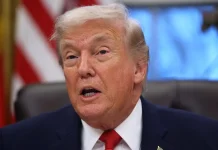
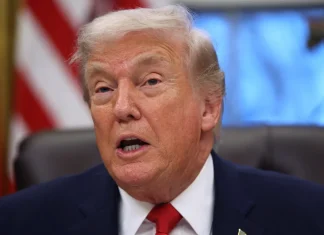
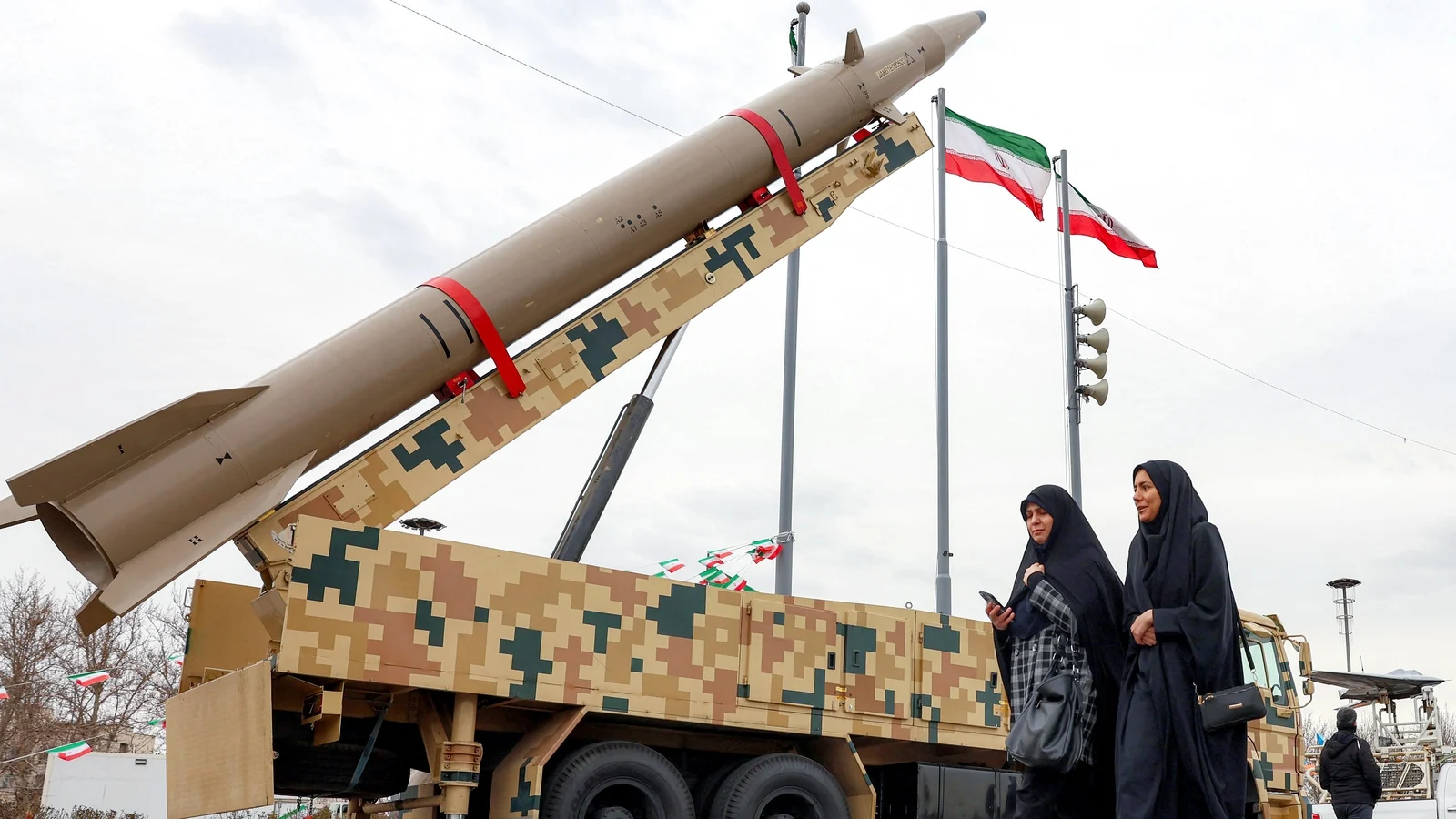
It is worth pausing on a fact that has come to symbolize the current rhetoric: missile range. In his recent State of the Union address, President Donald Trump accused Iran of “pursuing sinister nuclear ambitions” and warned Tehran had “already developed missiles that can threaten Europe and our bases overseas, and they’re working to build missiles that will soon reach the United States of America.”
Iran’s foreign ministry shot back, denouncing those claims as “big lies.” Technical assessments add nuance. Iran has publicly disclosed missiles with a maximum range of about 2,000 kilometers. The US Congressional Research Service — a widely cited, nonpartisan body — has estimated somewhat higher ranges for some systems, roughly 3,000 kilometers. Even at that upper estimate, the distance falls far short of the thousands of kilometers separating Tehran from many parts of the continental United States.
Numbers matter because they are often used to justify policy. When political leaders talk of “an existential threat” or “missiles that can reach our heartland,” those claims shape public mood and the calculus of retaliation. But numbers alone don’t tell the whole story: range is only one factor, and the political message behind the numbers fuels fear.
Voices from the Ground: Tehran, the Region, and Beyond
Back in Tehran, the city bears the look of a population stretched thin — the children of the bazaars still dart between stalls of dried fruit and saffron, but shopkeepers talk quietly about the last freeze in tourism and the constant pressure of inflation. “We’ve been living with sanctions for years,” said a carpet seller near the Grand Bazaar. “People are tired. We don’t want war — we want our kids to be able to dream again.”
Across the region, a mixture of dread and resignation simmers. “There is a sense that something could snap,” said a Middle East security analyst in Beirut. “You can feel it in diplomatic traffic — governments are quietly lobbying Washington, appealing for restraint.”
At the same time, there are voices of hope. An Iranian academic in Isfahan who asked to remain unnamed described the talks as “a sliver of daylight.” She added, “It’s not just about missiles or uranium; it’s about the possibility of people getting back to normal life: travel, business, family visits.”
History’s Echoes: Why This Moment Feels Different
These negotiations come after a turbulent history: a 2015 nuclear deal (the Joint Comprehensive Plan of Action) that brought temporary relief; the US withdrawal from that accord in 2018 and the reimposition of sanctions; and then last summer’s surprise strikes that ignited a 12-day conflict. Each episode has left its mark — in hardened positions, broken trust, and a deep bank of mutual suspicion.
Moreover, domestic pressures are pushing both capitals in contradictory directions. In Iran, a year of large-scale protests has shaken the government’s confidence and legitimacy; some in Tehran see engagement as a pressure valve, others as an unacceptable concession. In Washington, political leaders juggle a combination of hawkish rhetoric and diplomatic appetite — a public posture of toughness alongside a private desire to avoid a costly war.
What Would Success Look Like?
Ask yourself: can two countries who have spent decades alternately confronting and courting each other craft a deal that satisfies their opposing audiences? Success would require several things:
- Concrete, verifiable limits on nuclear activity and a transparent inspection regime;
- Clear commitments on missile proliferation or, at minimum, a framework for future talks;
- Phased sanctions relief tied to tangible Iranian actions; and
- A diplomatic mechanism to manage and de-escalate future crises.
It is a mountainous ask. But diplomacy, when it works, is not about erasing fear overnight; it is about building routines and channels that make large-scale violence less likely.
Beyond Geneva: The Global Stakes
This is not merely a bilateral dispute. The outcome will ripple across the Middle East and beyond: it will affect oil markets, alliance structures, and the prospects for regional security. European capitals have quietly urged restraint; regional players like Oman have already acted as intermediaries. The global community watches, hoping that cooler heads will prevail.
So here’s the question for you, reading this now: what would you trade for the certainty of peace? Is it sanctions lifted first, or ironclad guarantees of non-proliferation? How do we balance justice for grievances with the urgent need to keep people alive?
War, after all, is not an abstract game of chess between capitals. It is power cuts in a city, a hospital without oxygen, a mother unable to find medicine for her child. It is catastrophe measured in human terms rather than missile statistics.
Conclusion: A Fragile Window
The Geneva talks offer a fragile window — an interlude in which cooler, steadier forces might yet hold. They are imperfect, they are messy, and they are not guaranteed to succeed. But even the act of sitting down matters; it introduces friction into trajectories that otherwise run toward escalation.
Diplomacy rarely moves in leaps. It accumulates in patient steps, in the willingness to meet across a table when the headlines scream otherwise. Whether these talks become the first step toward a durable settlement or a final, unsuccessful attempt before a new round of conflict will depend as much on the political courage of leaders as on the small, human decisions made in Tehran, Geneva, and Washington in the weeks to come.