Fresh attacks on commercial shipping in the Strait of Hormuz have jolted already fragile US-Iran negotiations, prompting Washington to yank a temporary sanctions waiver that had allowed Iran to keep oil flowing through the summer.
The US Treasury Department cancelled a license announced in June that had permitted Iran to produce, sell and deliver crude oil and related products until 21 August.
“Iran’s actions in the Strait were wholly unacceptable to the United States and will be met with consequences,” a US official told AFP.
Speaking on condition of anonymity, the official stressed that the US-Iran memorandum of understanding was “entirely performance-based,” and said Tehran would receive benefits only if it demonstrated “good behaviour.”
Even so, the official said US negotiators were still working “in good faith towards a final deal.”
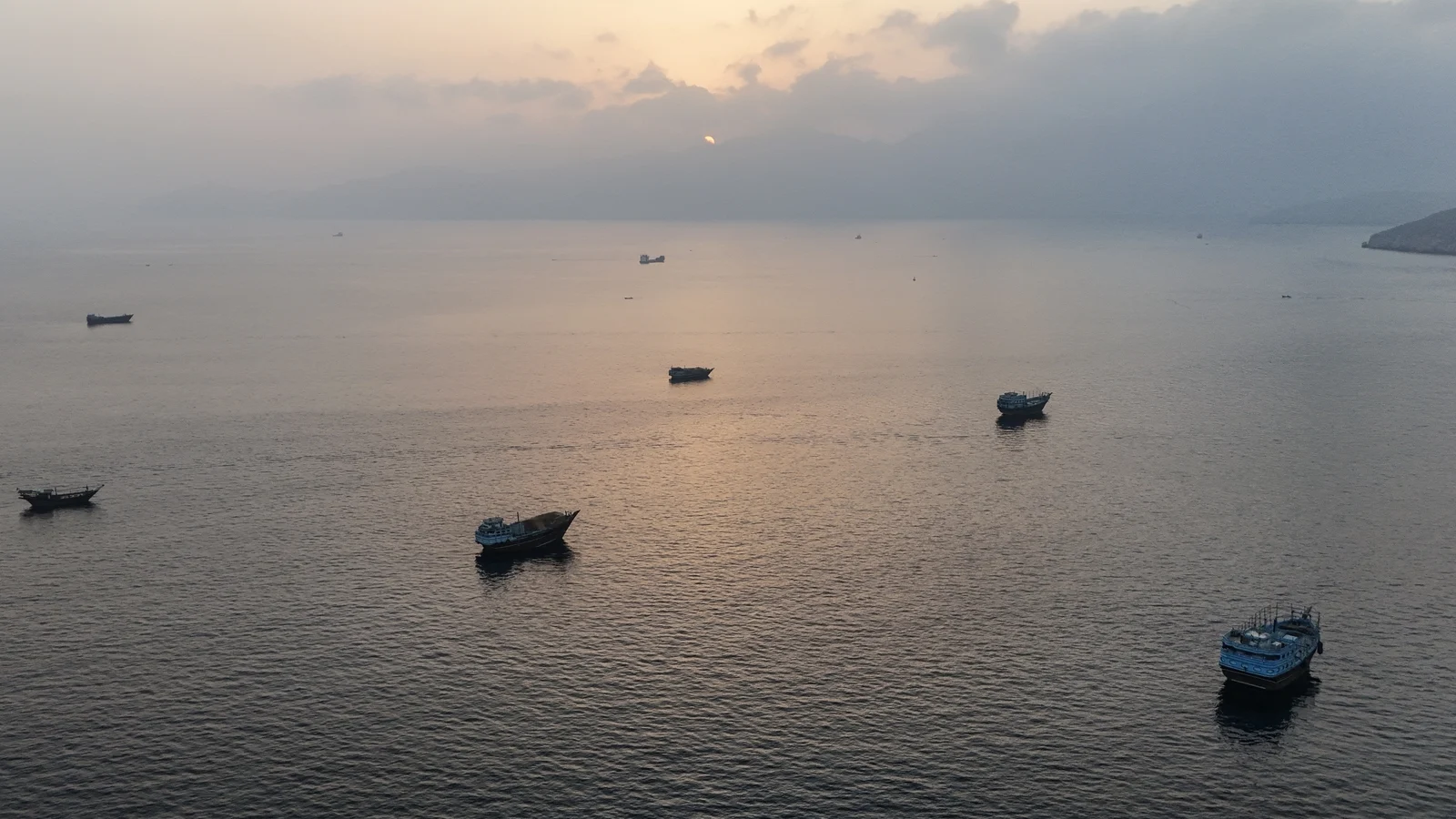
The renewed tension follows a string of strikes on vessels near Oman. Britain’s maritime security agency UKMTO reported that an “unknown projectile” hit a tanker overnight, sparking a fire, and that two additional vessels were later struck, at least one of them by a drone.
All three incidents occurred close to Oman, which has floated the idea of a temporary transit corridor hugging its coastline—an initiative Iran has opposed as it presses to impose fees on ships using the narrow waterway.
Qatar identified one of the ships as its LNG tanker Al-Rekayyat and blamed Iran, calling the incident an “unacceptable” attack on international maritime navigation.
Doha later summoned Iran’s deputy ambassador to lodge a complaint, demanding an explanation and urging Tehran to “immediately cease any practices undermining regional security.”
“We hold Iran fully legally responsible for this attack and for any resulting damages or repercussions,” Qatar’s foreign ministry spokesman Majed Al Ansari wrote on X.
Iran responded with “dismay” in a statement carried by state news agency IRNA, rejecting Qatar’s accusations as “unacceptable.”
The strikes, ending more than a week of relative calm, have revived fears over freedom of navigation after Iran lifted its blockade of the critical passage following a fragile ceasefire with the United States.
Oil prices climbed by more than 2% as the incidents reignited concern about global energy supplies and raised new questions about the durability of the US-Iran agreement.
Hundreds of thousands take to the streets in Qom
Mourners fill the streets during a farewell ceremony for Iran’s former leader Ali Khamenei, in Qom, Iran
Iran’s clerical rulers have asserted new control over what is often described as the world’s most important energy shipping route, seeking to install a permanent fee-collection system—an effort that would reshape the regional balance of power in an area where Washington has long served as security guarantor.
Inside Iran, the leadership has used the mourning period to project authority after Ayatollah Ali Khamenei was killed on the first day of the war alongside his daughter, granddaughter, son-in-law and daughter-in-law.
In the seminary city of Qom, the caskets of the slain leader and his family were driven through packed streets as many hundreds of thousands of people waved flags and held banners comparing him to martyrs whose deaths are central to Shi’ite history.
Chanting crowds vowed to avenge Ayatollah Ali Khamenei.
Millions of Iranians gather to attend the farewell ceremony (pic: Iranian leader press office/handout)
A similarly vast procession took place in Tehran yesterday, following more solemn prayer events that began last Friday and drew senior Iranian officials as well as dignitaries from abroad.
Iraqi state media reported tonight that the body of the late supreme leader arrived at Najaf international airport, ahead of funeral processions in Iraq’s holy cities, home to shrines revered by Shia Muslims.
Iran began six days of public funeral ceremonies for Khamenei on Saturday, setting aside a dedicated day for neighbouring Iraq—an influential Shia centre with close ties to Tehran.
Trump: ‘Make a deal or we’re going to finish the job’
Fighting has been paused under an interim peace deal reached last month, designed to create a 60-day window for negotiations on a permanent settlement. Indirect talks hosted in Qatar wrapped up last week without any sign of progress toward lasting peace.
Mr Trump has repeatedly warned he could restart bombing, most recently yesterday when he told reporters in the Oval Office: “We’re either going to make a deal or we’re going to finish the job…. We can knock down their bridges in one hour, we can knock out their energy supply.”
Iran’s Foreign Minister Abbas Araqchi said that, under the interim ceasefire memorandum, negotiations on a final agreement would “not commence if threats continue”.
“Honor your signature,” he wrote on X.
Oil prices, which have drifted back to around pre-war levels since last month’s interim deal allowed ships to resume sailing through the strait, rose about 1% today following the latest incidents.
When launching the war four months ago, Mr Trump said he aimed to destroy Iran’s nuclear and missile programmes, end its ability to threaten neighbours and create conditions for Iranians to topple their leaders.
Those goals have not been achieved, though Washington maintains a permanent agreement would stop what it says is an Iranian programme that could produce a nuclear weapon—an allegation Iran denies, insisting it never sought such a weapon.
Despite five days of mourning, Ayatollah Ali Khamenei’s son and successor Mojtaba has still not appeared in public. He is believed to have been disfigured by wounds sustained in the same attack and has not been shown in any image since the war began.
Three other sons of the slain leader prayed at the casket on Sunday.
Ali Khamenei’s sons, Masoud Khamenei (2nd L), Meysam Khamenei (2nd R), and Mostafa Khamenei (R)
Iran’s leaders have cast the mass funeral gatherings as evidence of national unity after the US -Israeli attacks, though the depth of that support is hard to gauge in a country where media and communications are tightly controlled.
Only weeks before the war began, Iranian authorities killed thousands of demonstrators while crushing some of the largest anti-government protests in the country’s history. Since the war started, however, there has been no sign of organised opposition.