With inflation flashing its hottest warning signal in three years, US President Donald Trump delivered a surprising take on the latest government numbers, telling reporters he “loved” inflation while insisting prices would ease once the Iran war ends.
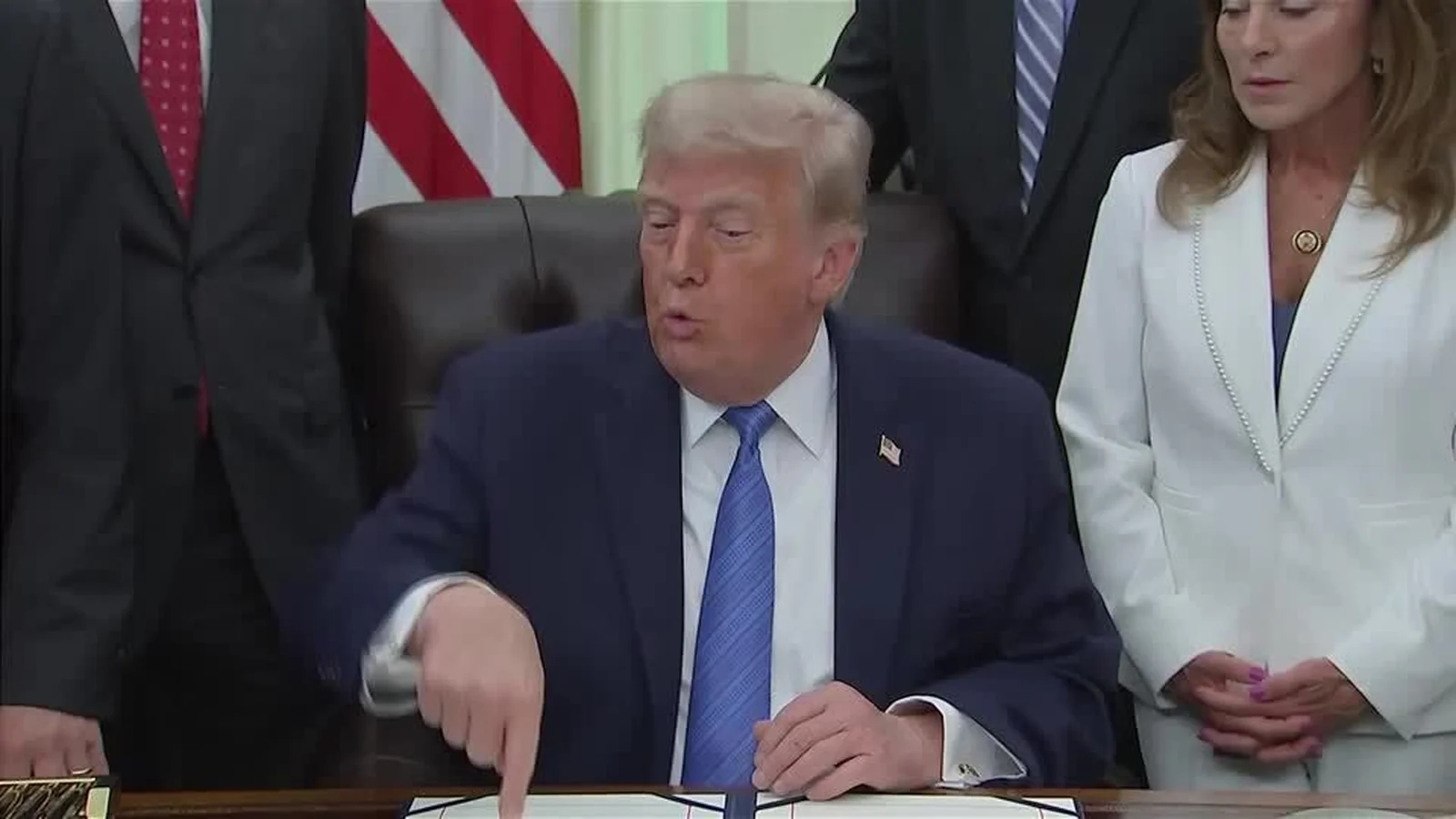
Pressed on data showing consumer inflation rose at its fastest pace in three years in May — and on whether that surge could complicate prospects for Republicans heading into November’s midterm election — Mr Trump replied: “I love the inflation.”
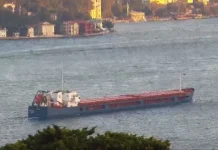
He went on to describe how he approved a plan to secretly move oil tankers through the Strait of Hormuz, saying he acted out of concern that higher costs and rising inflation could worsen. “It was worth it to me,” Mr Trump said, calling the operation a success.
Looking beyond the immediate disruption, the president predicted a sharp reversal in energy prices tied to the conflict. “When it’s over, you will see oil drop to where it was before,” Mr Trump said of the larger war. “It’s coming down. It’s going to come down like a rock.”
Mr Trump has portrayed the war on Iran as a detour and framed it as a national security issue, as Tehran’s closure of the key shipping route has lifted the cost of fuel, fertiliser and other goods — pressure that has fed into inflation.
Those higher prices could also limit the US Federal Reserve’s willingness to cut interest rates, a move that would reduce borrowing costs and one Mr Trump has urged since returning to power last year.
Republicans are trying to hold onto control of the US House of Representatives and the Senate, but they are increasingly wary that frustration among consumers could help Democrats take over as the cost of living remains a central concern for voters.
Mr Trump won the 2024 presidential election in large part on promises to bring down inflation, yet his approval rating — including on his handling of the cost of living — has slipped to the lowest point of his political career.
Meanwhile, attempts to reopen the Strait of Hormuz to tanker traffic and restore the flow of goods have stalled, and industry executives and analysts warn the coming weeks could bring another oil price shock strong enough to rattle broader financial markets.