At Sea and on Edge: How a “Double‑Tap” Strike Set Off a Storm in the Caribbean
Imagine dawn on the open sea: a thin pale light, the hum of engines, the salt tang in the air. Now imagine that tranquility ruptured not once but twice—first by gunfire and then, moments later, by a follow‑up assault on the survivors. That is the image seared into the narratives coming out of a recent US operation in Caribbean waters—a strike and a subsequent “double‑tap” attack that killed 11 people and helped push the death toll in a months‑long campaign against alleged drug traffickers to more than 80.
“We trained to hit a threat and move on,” said a retired Coast Guard intelligence officer who reviewed footage of the strikes. “But when you strike people who might already be incapacitated, you start stepping into territory that’s legally and morally fraught.”
What Happened: A Chronology
According to statements from the White House and reporting by US outlets, an initial strike on September 2 targeted a boat accused of smuggling drugs. Survivors of that attack were reportedly struck again in a follow‑on order. The White House has said that Admiral Frank Bradley, commander of US Special Operations Command, acted under the authority of Acting Defense Secretary Pete Hegseth in ordering the second, lethal engagement.
White House Press Secretary Karoline Leavitt told reporters that Admiral Bradley “worked well within his authority and the law directing the engagement to ensure the boat was destroyed and the threat to the United States of America was eliminated.”
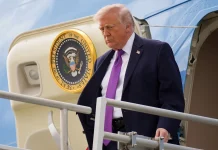
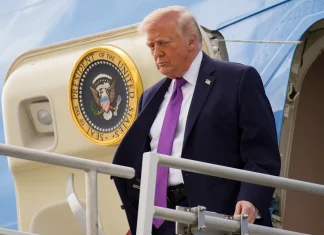
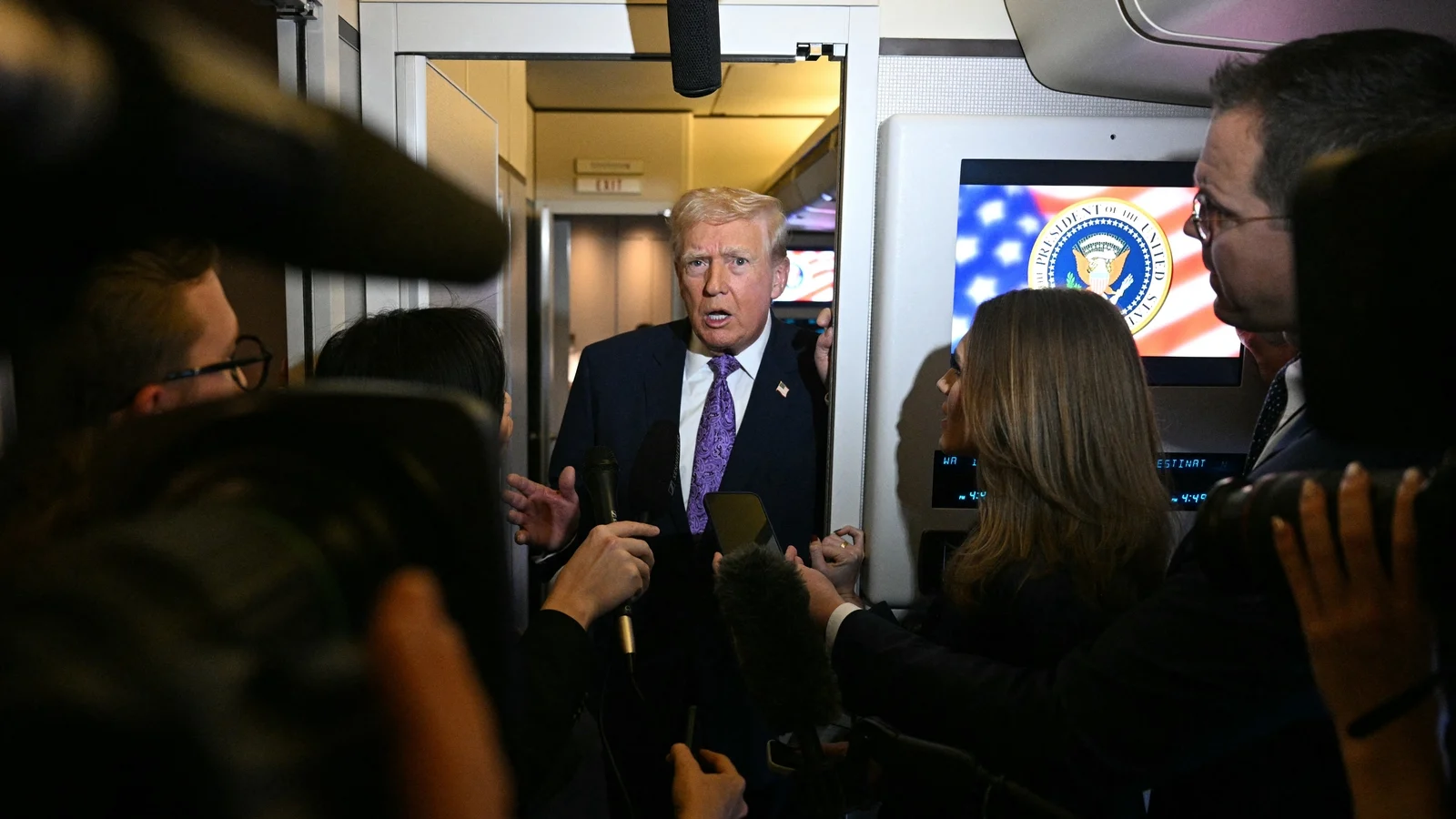
President Donald Trump—who has framed the U.S. posture in the region as a fight against “narco‑terrorists”—later acknowledged the details in a brisk exchange with reporters aboard Air Force One, saying simply he “wouldn’t have wanted that — not a second strike.”
Numbers that Matter
Eleven people were killed in the two strikes tied to that operation; human rights advocates place the cumulative toll of this anti‑narcotics campaign at more than 80 dead over several months. Those figures have reopened a debate about what constitutes lawful use of force in maritime interdiction and whether lethal measures are being used against suspected traffickers at sea—not in court.
Voices from the Water and the Street
On the docks of a small Caribbean port, fishermen and residents reacted with a mixture of fear and weary resignation. “You don’t know when the next plane will come,” said Miguel, a 47‑year‑old fisherman, who asked that his surname not be used. “We’re not part of this, but every time the war comes to our waters, we lose a neighbor, a cousin.”
In Caracas, the strikes have been weaponized by President Nicolás Maduro’s government as proof, they say, that Washington is using the drug fight as a pretext for intervention. “They claim to be battling drugs while courting regime change,” a government spokesperson told a local radio station. Maduro himself has insisted publicly that Venezuela is a transit country, not a producer, and that the US rhetoric masks political aims.
Human rights groups—both local NGOs and international organizations—have been blunt. “The pattern suggests extrajudicial killings,” said a human rights lawyer in Bogotá who has tracked interdiction operations across the Caribbean. “There are legal frameworks that prohibit attacking shipwrecked persons. Orders to do so would be unlawful.”
Law, Policy and the Fog of War
The Pentagon’s own Law of War Manual is explicit in its prohibitions: firing upon shipwrecked individuals is described as clearly illegal. Yet US officials argue the strikes were lawful, framed under counter‑narcotics authorities and the broader concept of self‑defense against non‑state actors who, they say, pose direct threats.
“We have to weigh immediate danger to U.S. personnel and to Americans at home against the obligation to protect human life,” said a former military prosecutor based in Washington. “That balance isn’t always easy, and it’s precisely why lawyers are involved up and down the chain of command.”
Still, the optics are stark. In a conflict that sits somewhere between policing and war, the distinction between insurgent and civilian can blur quickly—especially at sea, where visibility is limited and evidence can slip beneath the waves.
Regional Ripples: Diplomacy, Tension, and an Uncertain Sky
Washington has also deployed heavy air and naval assets across the Caribbean, insisting they are dedicated to counter‑narcotics work. The presence of US carriers, surveillance aircraft and special operations platforms has, predictably, raised tensions with regional governments—most pronouncedly with Caracas.
President Trump raised the temperature further by suggesting that the airspace over and around Venezuela “should be considered closed in its entirety,” a comment that stirred anxiety in Caracas and among regional airlines. When pressed, he downplayed the remark. “Don’t read anything into it,” he said—while also confirming a phone call with President Maduro that left observers wondering whether belligerence and diplomacy are now being mixed in equal measure.
Broader Questions: The Drug War, Migration, and Human Costs
What does this moment tell us about modern counter‑narco policy? For one, it exposes a long‑running trend: the militarization of what was once primarily a law‑enforcement problem. Second, it raises uncomfortable questions about sovereignty, due process, and the global appetite for kinetic solutions to addiction, demand and organized crime.
And there are domestic reverberations. The same administration has also signalled sweeping changes to asylum and migration policy—announcing an indefinite pause on asylum decisions that critics say will exacerbate humanitarian suffering. “We’re trading legal process for expediency,” said an immigration advocate in Miami. “It’s a short‑term fix with long-term damage.”
What Should We Ask Next?
As readers watching from around the world, we must ask: what standards do democracies apply when they use lethal force beyond their borders? How do we protect human rights while confronting transnational threats? And who holds accountable those who authorize follow‑on strikes that leave survivors counting bodies, not answers?
These are not easy questions. They demand transparency from governments, a sober public debate about the limits of force, and a renewed commitment to international law. They also require humility: the sea is vast, and its dark waters do not always tell the whole story.
Closing Drift
Back onshore, Miguel casts his net with practiced hands. “We mend what we can,” he says, eyes on the horizon. “But some holes you can’t sew.”
That image—of torn nets and torn laws—may be the one that lingers. In the coming weeks, investigations, legal reviews and more reporting will either stitch those holes or leave them gaping. As the debate swells, we should all watch closely: for the lives lost, for the laws that protect us, and for the norms that govern how states use force in an interconnected world.