A Havana Cut to Candlelight: Why Ireland and Others Are Telling Citizens to Stay Away
On a late afternoon in Luyano, a neighbourhood of Havana where faded pastel buildings lean into one another like old friends, the lights blinked out for the third time that week.
Women squeezed together on stoops, children craning their necks to listen for the clack of a radio, and the smell of boiling plantains mixed with the diesel tang of generators being wheeled out into the streets. A single candle wavered on the window sill, casting the room in a soft, trembling orange.
“You learn to live with the darkness,” said Ana, a primary-school teacher who has lived in the barrio her whole life. “But when the hospitals go dark, you cannot accept that as normal. We are tired. We are afraid.”
What the Travel Warnings Mean
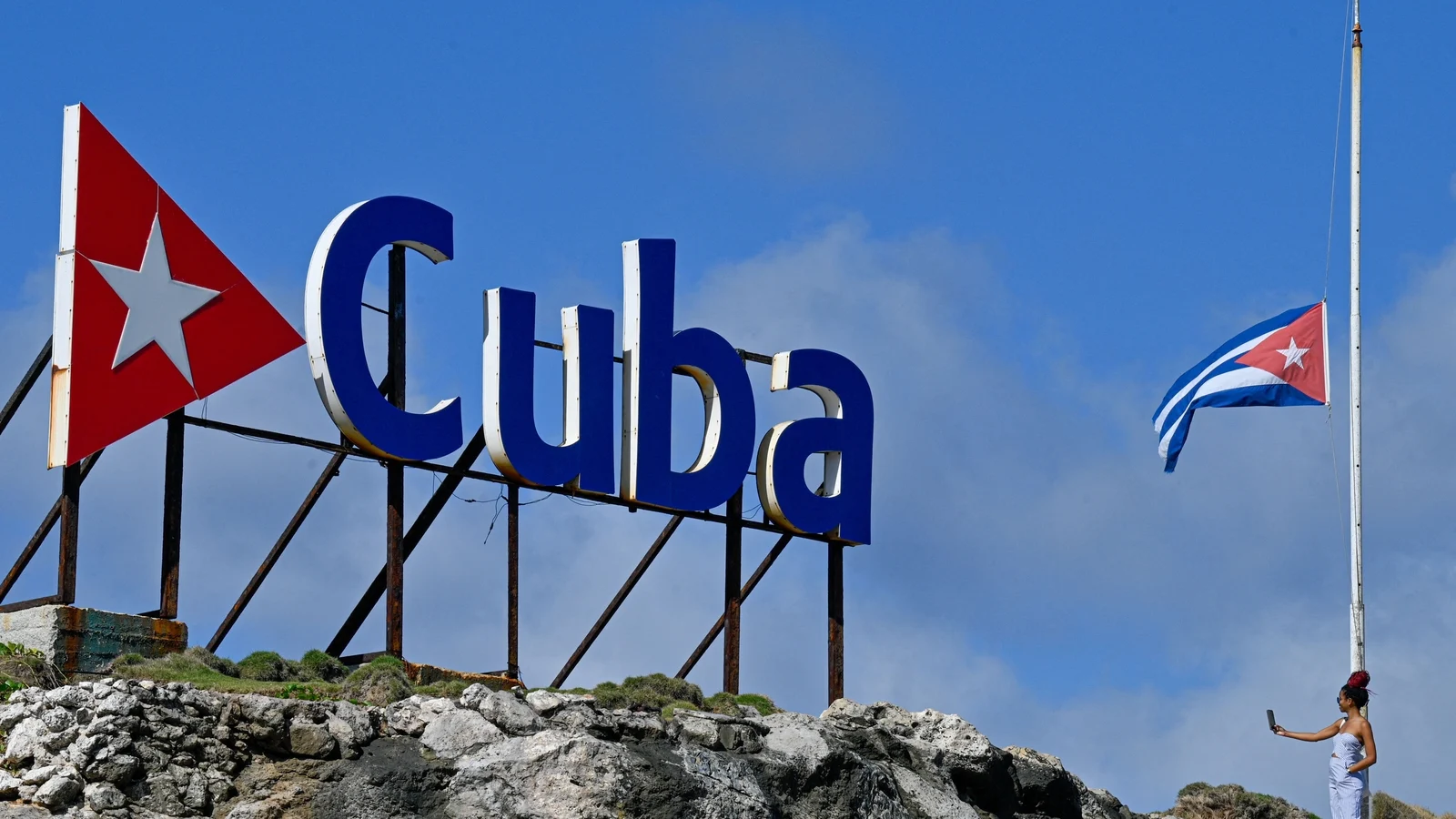
In recent days, Ireland joined a growing list of countries — including the United Kingdom and Canada — advising their citizens to avoid all but essential travel to Cuba. The Irish Department of Foreign Affairs and Trade placed the island on its second-highest travel warning level, signaling that travel there “is likely to present a clear and present danger to your health or safety.”
That language is not chosen lightly. It reflects an acute deterioration in daily life brought on by shortages of food, fuel and medicine; prolonged and unpredictable power cuts; and strain on communications and transport infrastructure. The UN has warned that essential services across the island are at risk.
Official lines and the human stories behind them
“We are extremely worried about Cuba’s deepening socio-economic crisis,” said Marta Hurtado, spokesperson for the UN High Commissioner for Human Rights. “Power outages are undermining access to safe water, sanitation and healthcare, with the most vulnerable disproportionately affected.”
For the average person, that translates into long queues for basics. “I stood in line from dawn to buy rice for the week,” said Jorge, who runs a tiny mechanic’s shop near the Malecon. “We sell car parts, but what people need is food and petrol. There is nowhere to hide from this shortage.”
The Fuel Chokehold and Its Ripple Effects
The immediate trigger for the latest crunch has been a sudden squeeze on fuel supplies. In the last month the United States moved to cut off oil deliveries routed from Venezuela, while publicly threatening sanctions—measures that analysts say have effectively choked a major supply channel.
Cuba, an island nation of about 11 million people, depends on imported fuel not only for transport but for electricity generation, water pumping and the delivery of medicines and food. According to UN briefings, more than 80% of Cuba’s water pumping equipment depends on electricity — a figure that helps explain why power outages quickly become public-health emergencies.
“An energy shortage becomes a health emergency overnight,” said Dr. Lucia Montejo, who works at one of Havana’s public hospitals. “We ration oxygen supplies, we delay surgeries, and sometimes we close neonatal units. You feel a profound helplessness when you can’t provide basic care.”
Politics at the Crossroads: Embargo, Rhetoric and Reality
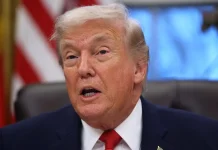
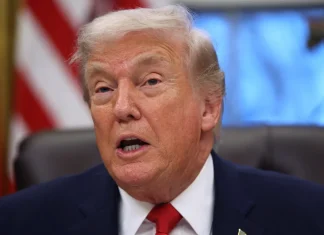
There is a long and tangled history behind these events. Since the early 1960s, the United States has maintained a series of economic restrictions on Cuba. The Trump administration has described Cuba as an “unusual and extraordinary threat,” while alleging Cuban support for certain transnational groups — claims Havana rejects.
Cuban Deputy Minister of Foreign Affairs Carlos de Cossio has described what he calls the new fuel restrictions as “the equivalent to war,” calling the measures a form of “massive collective punishment.” The bitterness of the rhetoric masks a key question: who ultimately bears the cost of sanctions when they bite? Often, it is ordinary people.
Internationally, the tide of opinion has not been monolithic. Ireland and many other countries have repeatedly supported UN resolutions calling for an end to the embargo. “We, alongside our EU colleagues, have long considered that it serves no constructive purpose and has resulted in significant negative impacts for the Cuban people,” a spokesperson for Ireland’s Department of Foreign Affairs told reporters.
Tourism, Embassies and the Practicalities of Warnings
For countries like Ireland, the move is both symbolic and practical. Ireland does not maintain an embassy in Havana; Dublin’s small number of nationals in Cuba are handled through the Irish Embassy in Mexico. The travel advisory underscores a practical difficulty as well: many travellers from Ireland already face barriers when planning a Caribbean trip to Cuba, including no direct flights and visa complications for subsequent travel to the United States.
“Numbers of Irish tourists in Cuba were already very low,” said Clare Dunne, chief executive of the Irish Travel Agents Association. “Between flight logistics and visa rules, Cuba has become a niche destination for the Irish market. Now airlines like Air Canada have suspended services to Havana because they cannot guarantee fuel supplies, which further hits an economy that needs visitors.”
Tourism has historically been a crucial lifeline for Cuba, bringing in foreign currency and sustaining livelihoods across hotels, restaurants and public transport. With flights canceled and visitors urged not to go, the immediate losses will be both economic and social, silencing music halls and leaving once-bustling paladares shuttered in the dark.
Faces in the Dark: Everyday Resilience and Frustration
In a Havana courtyard lit by a dozen small lamps, people shared food and stories. A 68-year-old retired seamstress named Elena brought a pot of black beans to the communal meal. “We joke, we sing, we help each other,” she said. “But jokes do not fix a hospital bed that isn’t there when you need it.”
Meanwhile, small entrepreneurs who rely on fuel for taxis or for running refrigeration for food are pinched. “I had to sell my second motorbike,” said Miguel, a taxi driver. “You ask yourself: how long can you keep surviving like this?”
What Should Travelers and Observers Take Away?
- Stay informed: Warnings change quickly. Check official travel advisories from your government before making plans.
- Consider the impacts: Travel has consequences that go beyond personal risk — tourism can be an economic lifeline, but visiting during crises may place strain on local resources.
- Look for nuance: Sanctions, diplomacy and domestic policy all intertwine. The human consequences often outpace political calculations.
Looking Ahead
What happens next will depend on a mix of diplomacy, economic choices and the resilience of ordinary Cubans. Can international channels be opened to allow humanitarian fuel deliveries without becoming a political football? Will targeted assistance reach hospitals and water systems? Those answers are not simple.
For now, the candles keep flickering in Havana’s windows — fragile beacons of endurance. The travel warnings are a sign not only of danger but of a world watching: bureaucrats, diplomats, travel agents, and families abroad weighing the next move. If you find yourself with a passport stamped for Cuba, ask yourself: what are you prepared to see, and what responsibility do we all hold when the lights go out for whole cities?