When an island becomes the world’s pressure point: Kharg after the strikes
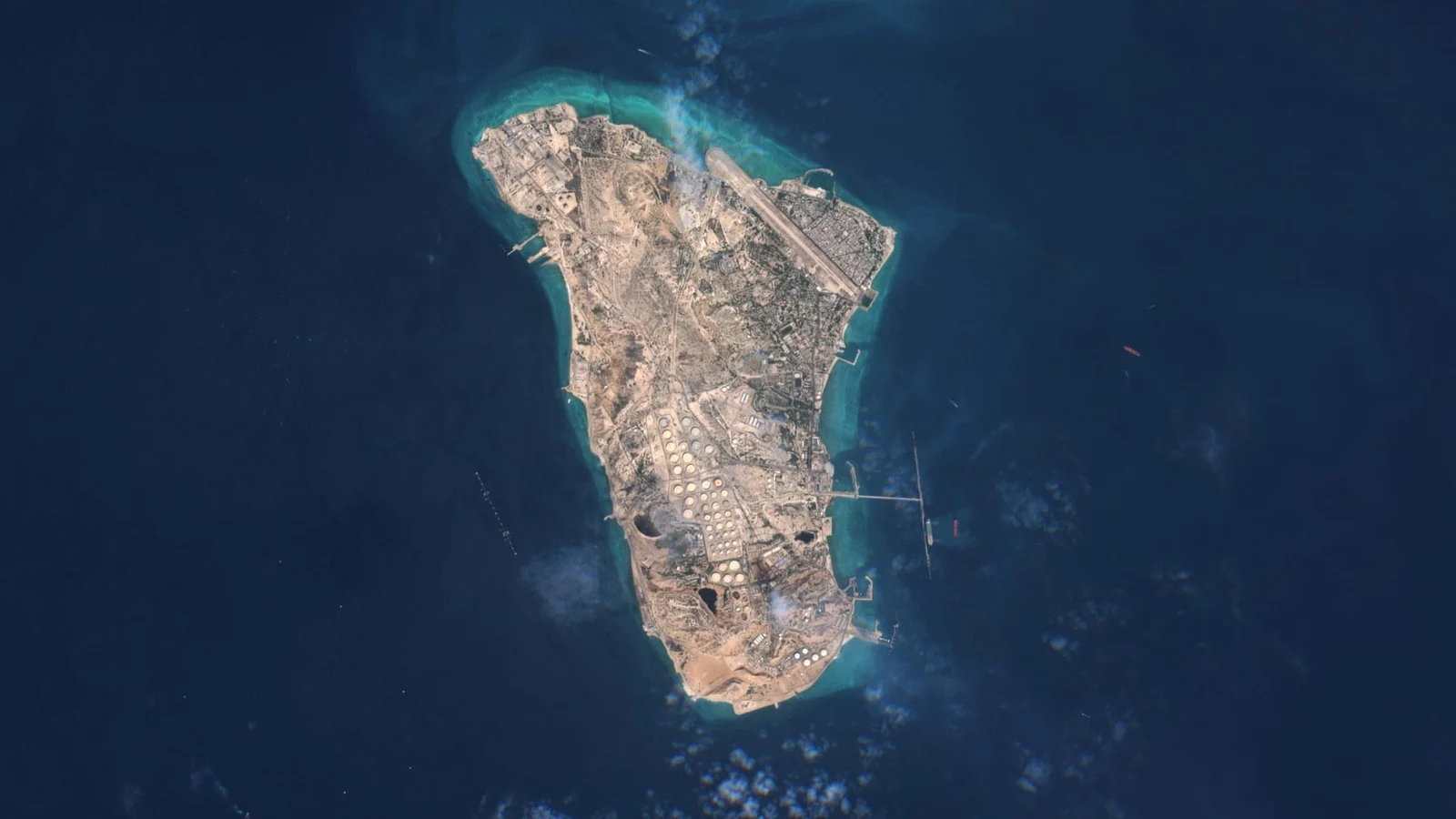
On a wind-whipped islet in the middle of the Persian Gulf, the ordinary rhythms of oil and sea met an extraordinary rupture. Kharg Island—no more than a scrubby 20 square kilometres of concrete, pipelines and tank farms—found itself at the centre of a global drama when U.S. forces carried out a precision strike overnight.
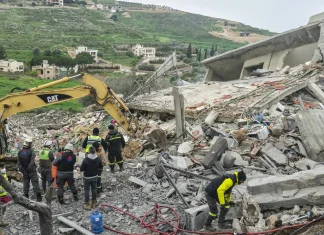
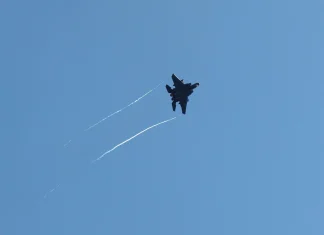
The Pentagon’s focus was not the palm trees or the bare earth; it was the infrastructure that has for decades turned Kharg into Iran’s economic heartbeat. In a terse public statement, U.S. Central Command said the attack destroyed naval mine storage, missile bunkers and multiple other military sites, claiming more than 90 Iranian military targets were struck. President Donald Trump called Kharg a “crown jewel” of Iran’s oil economy and declared that the military sites had been “totally obliterated.”
And yet even amid the high-tech language of precision munitions and satellite feeds, the island reads as old-world and achingly local: rusting cranes, salt-stiff metal, the lowing of tanker alarms at night. It is that human and industrial hum—men and women who run the pumps, families who live on the fringes of the terminal—that now face a future reshaped by geopolitics.
Why a tiny speck matters so much
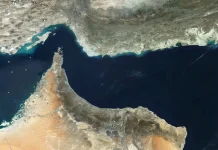
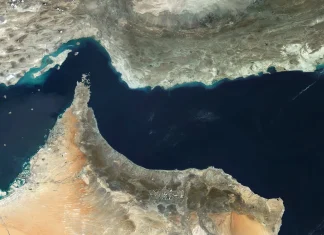
To grasp why Kharg is so sensitive, imagine the global energy map put through a narrowing tube. Kharg sits roughly 30 kilometres offshore from Iran’s mainland and about 500 kilometres northwest of the Strait of Hormuz. It is the spool around which much of Iran’s crude export system is wound: historically the island has been the dispatch point for roughly 90% of Iran’s marine oil shipments.
More than an infrastructure node, Kharg is a vulnerability. It evolved rapidly in the oil expansion of the 1960s and 1970s because much of Iran’s coastline is too shallow for supertankers; Kharg’s deeper approaches allowed large vessels to load crude. Ever since, global markets have treated the island like an old, frayed rope in the international supply chain—strength still evident, but fraying at the edges.
Analysts have long warned that any physical damage to Kharg’s terminals or pipelines could reverberate far beyond the Gulf. The Strait of Hormuz—through which roughly a fifth of the world’s seaborne oil and a substantial proportion of global liquefied natural gas flows—has itself been a flashpoint. When tankers slow, or when insurers raise war-risk premiums, costs ripple through refineries, shipping schedules and, ultimately, among consumers and industries worldwide.
Quick facts
- Kharg Island area: about 20 square kilometres.
- Location: approximately 30 km off the Iranian mainland, roughly 500 km northwest of the Strait of Hormuz.
- Share of Iran’s seaborne exports historically routed through Kharg: around 90%.
- Alternative export route opened by Iran: Jask terminal on the Gulf of Oman (operational from 2021) designed to bypass the Hormuz chokepoint.
Voices from the Gulf: officials, workers, a fisherman
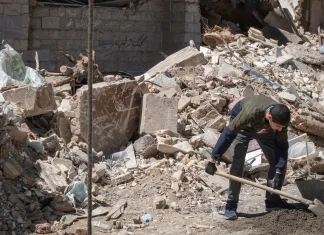
“There were explosions, but life goes on,” said Ehsan Jahaniyan, deputy governor of Bushehr province, speaking through the state IRNA news agency. He told reporters the oil companies at the terminal were “continuing as normal” and there were no casualties reported—an account that seeks to steady nerves at home and on trading floors abroad.
At the edge of Keresh, a fishing village that looks at Kharg across a blue-green sweep of water, an old man named Hassan squinted through binoculars at the smoke-line on the horizon. “We have always lived with the sea and with the tanks,” he said, voice catching. “My father worked here, I worked here. If the ships stop coming, everything changes. Not just the oil—our bread.”
Inside the fenced compound of the terminal, a young engineer who didn’t want his name printed described the surreal shift from routine to high alert. “We trained for equipment failures, not for missiles,” he said. “Now we check for fragments as we would check for leaks. It changes the way you look at a pipe. It changes everything.”
Military calculus and the hard truth of occupation
Military analysts stress that striking is one thing; occupying is another entirely. “Kharg is not just a landing strip,” said an independent security analyst based in Doha. “It’s almost an entire island of pipelines, tank farms and sensitive infrastructure. You can hit it from the air, but any boots-on-the-ground plan turns logistics into a nightmare.”
That assessment echoes a cautious voice in Washington who warned that seizing the island in the middle of hostilities would be strategically risky. The island’s infrastructure would become both a prize and a liability: any force that took Kharg would inherit an entire oil-production ecosystem—dizzying in value, toxic in terms of potential environmental and human fallout.
Markets, routes and the long shadow of energy dependence
Beyond the immediate combat calculus, Kharg’s targeting resonates through commodity markets and shipping corridors. Even the suggestion of a sustained disruption causes shippers to reroute, underwriters to hike premiums and refiners to rethink feedstock. For countries that import Iranian crude—China among them—these disruptions are not theoretical. They mean fuel shortages for factories and higher costs at the pump.
Iran has tried to hedge its exposure. In 2021 it opened the Jask terminal on the Gulf of Oman, an attempt to move some exports outside the Hormuz chokepoint. But financial institutions, including JP Morgan, have described Kharg as a “critical vulnerability” to Iran’s economy and a revenue hub connected in complex ways to the Islamic Revolutionary Guard Corps’ business interests.
“This isn’t just about a pier or a pipeline,” a London-based energy strategist told me. “It is about the dependency model of modern economies. We have built supply chains that assume certain sea lanes stay open. When those assumptions are violated, the vulnerability is laid bare.”
What comes next—and what the moment asks of us
President Trump’s decision not to “wipe out the Oil Infrastructure on the Island,” a phrase he wrote on Truth Social, is as much political theatre as tactical restraint. He warned that any interference with the “Free and Safe Passage of Ships through the Strait of Hormuz” would force a reconsideration—leaving the door open for further escalation.
Iran has vowed that “not one litre of oil” will leave the Gulf while the war continues, a posture that threatens an economic tit-for-tat: any significant damage to Kharg could prompt a furious response, and rapid policy decisions could cascade into supply shocks. For ordinary people—like Hassan and the engineer—the stakes are immediate: livelihoods, wages, and the fragile calm of life beside the sea.
So what should you ask yourself as you read this? How much of your daily life is buffered by invisible passages and ports you never see? How resilient are the systems that move energy from wellhead to window?
There is also a larger moral and strategic debate. The world is slowly trudging toward a less oil-dependent future; the crisis at Kharg shows why that transition matters not as abstraction but as survival insurance. A more diverse energy portfolio—renewables, regional grids, storage—reduces the leverage of any single chokepoint. That’s a policy choice as much as it is an engineering one.
For now, Kharg sits in a quiet, watchful pause. Tankers that can still load do so under the glare of naval escorts and the hum of satellite attention. Families on the littoral eye the horizon. Markets calculate and recalibrate. Militaries count targets and weigh the costs of occupation versus the benefits of deterrence.
In the end, the story of Kharg is a small-land, big-consequence parable: a place of salt and steel where local lives and global systems collide. It asks the world a clear, uncomfortable question—how prepared are we when a 20-square-kilometre speck decides the fate of fuel, finance and, ultimately, peace?