A Quiet Revolution: When Wind and Sun Overtook Coal and Gas
On a crisp morning near Zaragoza, Spain, the air smelled of baked earth and new wiring. Rows of solar panels lay like a blue river across a field, and a faint hum from distant turbines threaded the valley. It’s the sort of scene you might not notice unless you were looking for change—and yet, quietly, that change swept across Europe last year.
For the first time, wind and solar together generated more of the European Union’s electricity than fossil fuels. Renewables produced some 30% of EU power in 2025, edging ahead of coal, gas and the occasional oil-fired plant, which supplied roughly 29%. It’s a headline number, to be sure, but it’s also a story about technology, weather, politics and people learning—sometimes painfully—how to stitch a new power system together.
Numbers That Tell a Story
The jump didn’t arrive out of nowhere. Solar capacity leapt by about 19% in a single year, driving much of the record output. Gas-fired generation rose 8% as a stopgap when droughts shrank hydropower yields, and renewables plus nuclear ended the year supplying about 71% of the EU’s electricity mix.
There are bright local victories: solar supplied more than one-fifth of electricity in countries like Hungary, Spain and the Netherlands. Coal’s slice of the pie fell to a historic low of around 9.2%, with once-dominant consumers such as Germany and Poland recording all-time lows in coal-fired generation.
Those are the tallies you can put on a chart. But behind each percentage point there are homes warmed by different fuels, factories changing their rhythms, distribution lines overloaded at odd hours, and communities negotiating the future of their landscapes.
Voices from the Ground
“We put panels on our roof to cut costs and feel a bit more in control,” said Ana, who runs a small tapas bar in Seville. “Last summer, the electric bill dropped. But when the grid told us to switch off during midday because of overload, that saved us money but also felt strange—like paying to watch electricity go unused.”
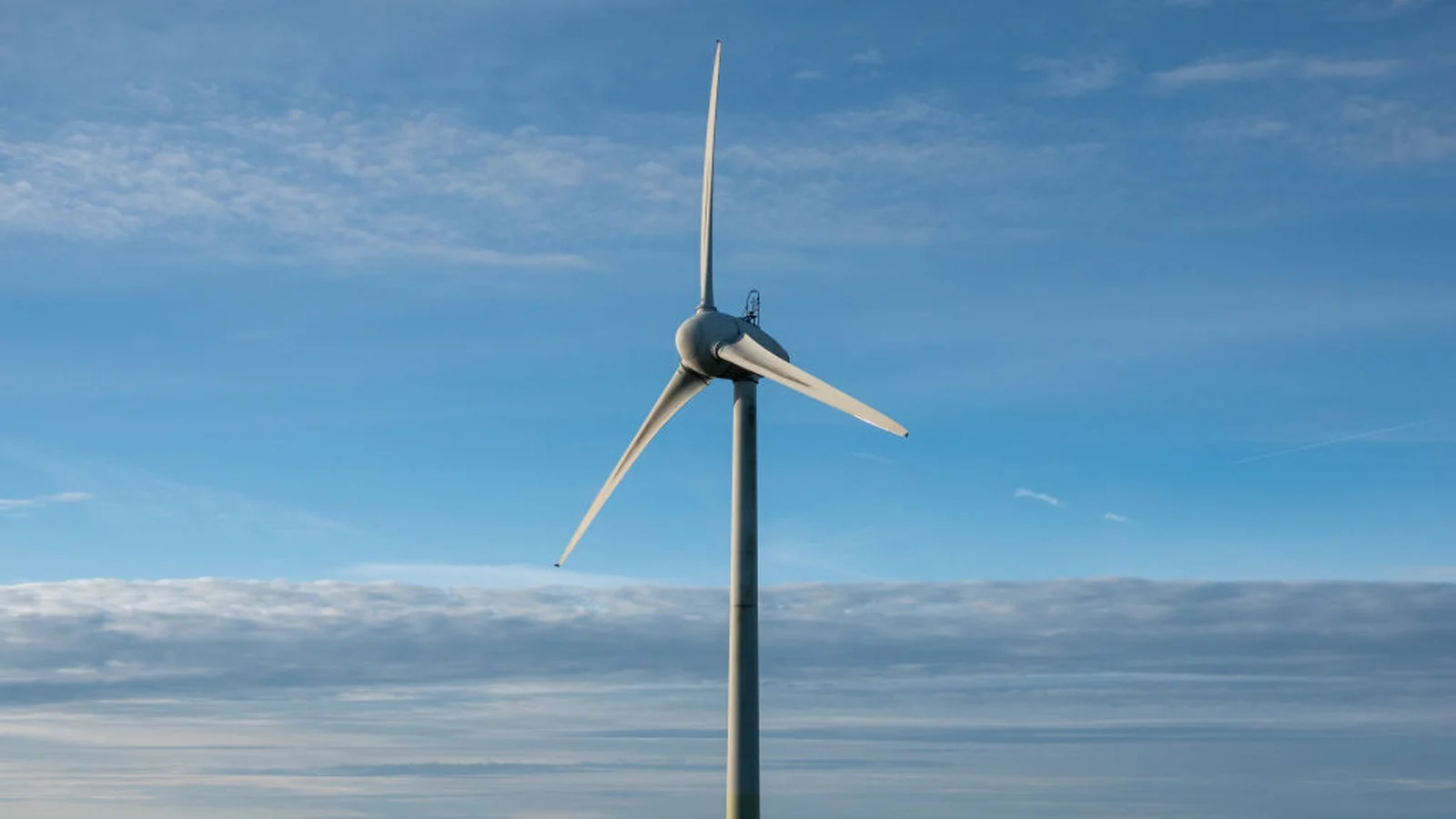
From the wind-swept flats of the Netherlands, a turbine technician named Bram shared a similar mix of pride and frustration. “We can generate so much on good days, but sometimes the network can’t handle it. You see the blades spinning, you know the power is there, but it’s not getting to where it’s needed. That’s maddening.”
An analyst at a Brussels energy think-tank observed: “This milestone is an achievement of policy, entrepreneurship and falling technology costs. But it’s not the end of a journey. Grid bottlenecks and policy reversals can slow progress if they aren’t addressed quickly.”
Politics, Partnerships and Pushback
The EU’s energy transformation has long been threaded with politics. Governments have pushed back at times—concerns about industry competitiveness, regional employment, and energy sovereignty have translated into watered-down CO2 measures and heated negotiations in Brussels.
Pressure from member states such as Germany and the Czech Republic prompted a softening of certain emissions-reduction rules last year, highlighting the delicate balance between ambition and political reality. Meanwhile, a new supply-side dynamic entered the conversation—a large agreement to increase energy purchases from the United States has prompted debate about whether Europe can truly accelerate its weaning from oil and gas imports.
“Strategic alliances are part of any modern energy policy,” said a policy adviser in Brussels. “But we must keep sight of long-term decarbonization goals. Importing more fossil-based energy in the short term can complicate that path.”
Weather, Drought and the Limits of Hydropower
Climate-driven weather patterns added another twist. Drought last year cut into hydropower output across southern Europe, forcing an uptick in gas-fired generation to cover the shortfall. It’s a reminder that renewables are not a monolith: wind, solar and hydro all respond differently to the whims of the atmosphere.
“Hydropower is brilliant when the rains come,” said a hydrologist in Portugal. “But we can’t schedule our energy future on the assumption that historical rainfall will persist. Diversifying our renewables is essential—but so is building resilience into the grid.”
Grid Strain: The New Bottleneck
Here’s the irony: renewable energy has never been cheaper to produce in many parts of Europe, but underinvestment in the power grid has forced operators to curtail wind and solar at times of high output. That wasted potential—cheap electricity unplugged to protect the network—translates into higher costs for consumers and industry.
Ember, the energy think-tank behind the data, warned that price spikes last year lined up with peaks in gas use, and urged governments to invest in transmission infrastructure and battery storage to stabilize prices and make the system more flexible.
What does that look like in practice? Imagine new high-voltage lines crossing regions, community batteries absorbing midday solar and releasing it at dinner time, and better cross-border trading so surplus in one country can help a neighbor in need.
So What Comes Next?
If the last year was a tipping point, the next few will test Europe’s political will and engineering imagination. The EU has ambitious climate targets—anchored around a long-term aim of climate neutrality by mid-century and nearer-term greenhouse gas reductions—and those goals will require not only more renewables but smarter networks, storage, and policy stability.
There’s also a social dimension. New green industries can bring jobs, but transitions are messy. Coal communities in Poland and Germany face difficult choices, while rural areas host expansive solar or wind projects, sometimes amid local opposition. The human side of the energy transition—training, fair compensation, and inclusive planning—will shape acceptance and success.
“We need to bring workers and communities into the conversation, not just talk about megawatts,” said a union representative in Silesia. “Otherwise, resentment grows and politics hardens.”
Lessons for the World
Europe’s milestone is not just a regional story. It’s a template and a cautionary tale for nations everywhere: rapid deployment of wind and solar can upend fossil dominance faster than many expected, but without investments in grids, storage, and social policies, the benefits can be uneven.
- Renewables (wind & solar): ~30% of EU electricity in 2025
- Fossil fuels (coal, gas, oil): ~29%
- Solar capacity growth: ~19% year-on-year
- Gas-fired generation rise: ~8% to cover hydropower shortfalls
- Renewables + nuclear share: ~71% of EU electricity
- Coal share: ~9.2% (record low)
These figures show momentum, but they also show fragility—an electrical system caught between old infrastructure and new ambitions.
Questions to Carry Home
As you read these numbers and imagine the sun-drenched panels and creaking turbines, consider this: what kind of energy future do you want for your town? Does your country prioritize clean power at any cost, or balance short-term imports and jobs with long-term decarbonization? And how do we ensure that the benefits of clean electricity—cheaper bills, cleaner air, new skills—reach everyone?
The EU’s recent achievement is both a cause for celebration and a call to action. It proves that a low-carbon grid is possible. Now the harder work begins: building the invisible muscles—the high-voltage lines, batteries, policy frameworks and social contracts—that will let Europe, and the world, run on wind and sun without tripping over the seams.