A Cold City Under Fire: Kyiv’s Winter That Won’t Forget
The wind off the Dnipro felt like it knew the stories. It whisked across broken scaffolding and dim corridors, tugging at coats and carrying the faint, bitter smell of burned plastic. In Kyiv, this was not the winter of quiet evenings by a radiator and slow tea; it was the winter of queuing for warmth.
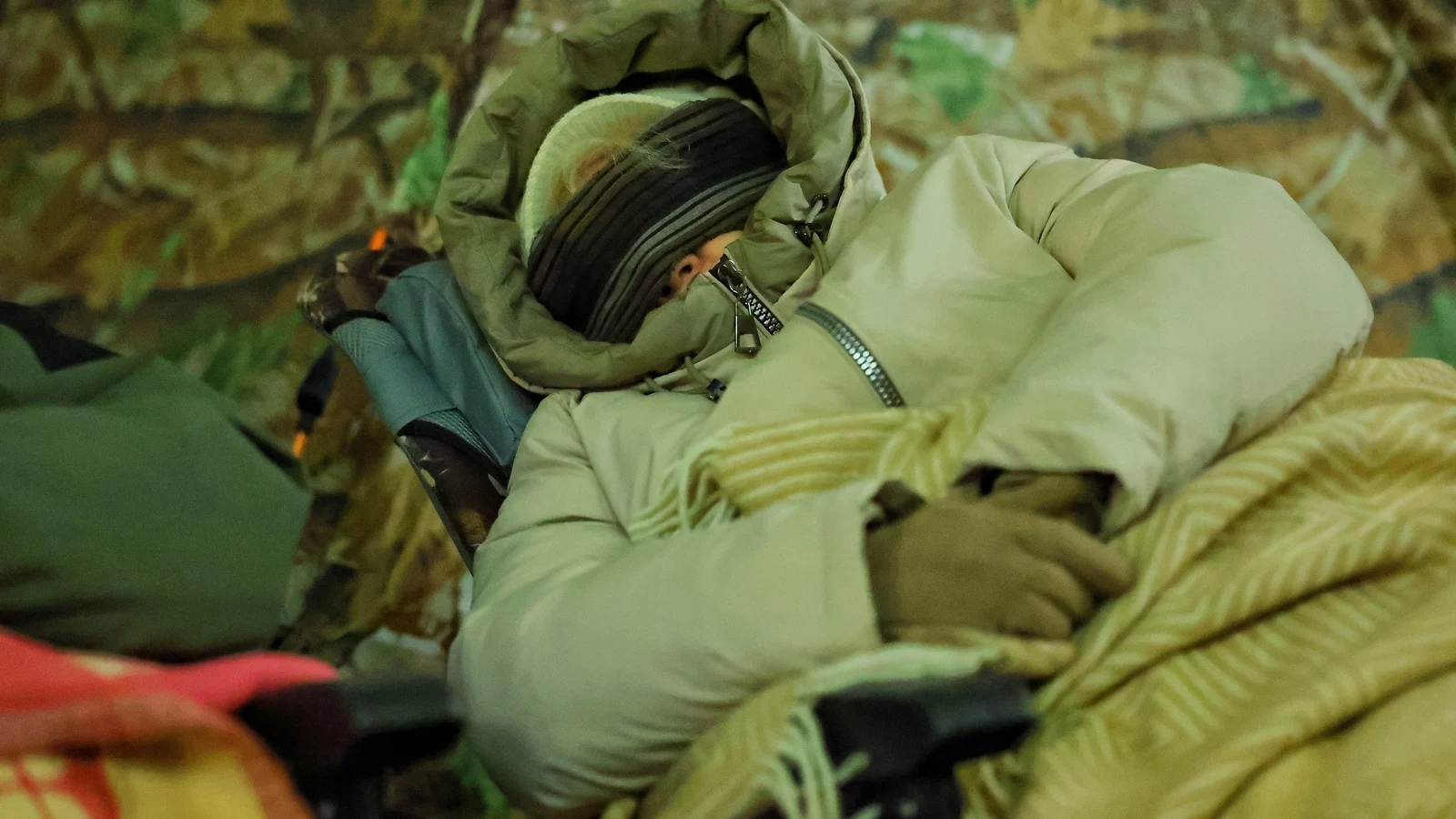
For two days running, hundreds of apartment blocks sat dark and cold after Russian strikes carved through the arteries of Ukraine’s energy grid. Heaters went silent. The city’s hum was replaced by low, desperate murmurs and the occasional clang of a kettle on a field stove. At a makeshift warming concert organized by volunteers, people in thick coats cradled paper cups of tea and hummed along to songs, more for the heat than the harmony.
“We’ve seen attacks on infrastructure since 2014,” said a volunteer handing out hot soup. “But this winter feels different. The strikes come like sleet—endless, small, and sharp—and the cold steals the courage from your hands.”
Sky Saturation: Numbers That Tell a Brutal Story
President Volodymyr Zelensky, traveling in Vilnius, did not soften the arithmetic. “This week alone, the Russians have launched more than 1,700 attack drones, over 1,380 guided aerial bombs, and 69 missiles of various types,” he said, underscoring the scale of what Kyiv is trying to repel.
Those figures are more than line items; they are a strategy in motion. Military analysts call it saturation: the deliberate launching of huge numbers of low-cost, often autonomous drones and stand-off munitions to overwhelm air-defence batteries. The result is not simply broken infrastructure but a stretched human response—repair crews frozen on scaffolds, hospitals operating on generators, parents protecting children from the chill.
An international air-defence expert, speaking on condition of anonymity, explained: “Systems like S-300s or upgraded Patriots are excellent, but they were designed for different threat profiles. When you face waves—literally hundreds—of small, low-flying drones, the calculus changes. You need more interceptors, more missiles, and, crucially, faster detection and decision systems.”
The Toll on Infrastructure
The assault has been particularly punishing to Ukraine’s energy backbone. Authorities reported that half a million people have been displaced by the bombardments, while the capital itself has seen a staggering number of residential towers hit.
“There are currently 1,676 high-rise apartment buildings in Kyiv without heating following the enemy’s attack on Kyiv city on January 24,” Mayor Vitali Klitschko announced. It is a number that hangs in the air like frost: precise, impersonal, devastating.
Lives in the Margins: Stories from the Blocks
Step into one of those high-rises and you feel the human geometry of this crisis. In a stairwell lit by a phone’s flashlight, an elderly woman named Halyna wrapped her granddaughter’s small shoulders in a wool blanket. “We were lucky,” she said. “Our neighbor brought extra bread. But the boy in 4B has nothing. He sits by the window and watches the sky.”
Children start to measure time not by school bells but by the rhythm of repair crews trying to reconnect pipes and cables. Repair teams work with relentless determination—backed by the solemn knowledge that a delay can mean frostbite, disrupted dialysis, or a day without heat for an infant.
“It’s not just infrastructure we’re repairing,” said one lineman, frost crusting his beard. “We’re repairing hope.”
Allies on the Ground and in the Halls of Power
Outside Kyiv’s immediate shock, a different story unfolds in the capitals of Europe. In Vilnius, Zelensky attended a commemorative ceremony marking the 1863 uprising against the Tsarist empire, a historical nod to the long shadow of imperial aggression across Eastern Europe. Observers noted how the symbolism resonated: yesterday’s fights for national autonomy echoed in today’s contest over borders, identity, and sovereignty.
Among the attendees was Karol Nawrocki, director of Poland’s National Museum, who reflected, “When history repeats, it does not do so quietly. These celebrations remind us that the struggle for freedom is continuous, that today’s solidarity is rooted in shared memory.”
Poland and Lithuania have been among Ukraine’s most steadfast supporters. Both countries have sent hundreds of generators, blankets, and winter supplies—small mechanical lifeboats in a sea of damaged grids. Those generators have become literal lifelines, powering warming centers, hospitals, and community kitchens.
“Without those generators, hundreds more would be on the streets tonight,” said a local municipal coordinator. “They aren’t glamorous, but they buy time. Time is everything right now.”
Diplomacy in the Midst of Darkness
Amid the blasts and the soot, diplomats in Washington brokered talks between Kyiv and Moscow that yielded no grand breakthrough yet were described by Zelensky as “constructive.” Both delegations agreed to reconvene in Abu Dhabi next week. It’s a reminder that while rockets fall, diplomacy still tries to weave a different kind of safety net.
“You can shoot the power lines,” an expert in conflict mediation observed, “but you can’t shoot the impulse to talk. Whether talks produce peace or stall, they matter because they create channels—small, fragile threads that can be strengthened.”
What This Winter Reveals—and Asks of Us
So what do we make of this winter? Is Kyiv merely a case study in a local war, or is it a warning about a new form of warfare—one that targets the critical infrastructure of modern life: power, water, heat?
Think of the broader sweep: in an era of climate unpredictability and stretched national budgets, striking energy networks is a way to amplify suffering without deploying conventional armies. It raises urgent questions about how democracies protect civilians and their lifelines, how allies share resources, and how to insulate communities from the weaponization of winter itself.
As you read this, consider this: what would you do if your heating stopped tomorrow? How resilient is your city to intentional blackouts? These are not academic questions for Ukrainians alone. They are now part of a global conversation about infrastructure, solidarity, and the price of peace.
Closing: The Human Thread
Back in Kyiv, as night deepened and the cold found new places to hide, a woman in a community center began to sing. The melody was simple; it was not a protest or a political slogan but a lullaby with a chorus of survival. People around her joined, not because they had to, but because song keeps the lines open between hearts.
“We will heat what we can,” she said, hands warm from a metal thermos. “We will mend what we can. We will talk to those who can help. And we will remember the small things—tea, a blanket, a neighbor’s voice—that keep us human in the cold.”