Fresh bloodshed on both sides of the front line set the backdrop for a blistering diplomatic broadside at the United Nations, where Russian Foreign Minister Sergei Lavrov accused European governments of standing in the way of efforts to end the war in Ukraine.
As Moscow and Kyiv intensify attacks following the deadliest summer since 2022 — the year Russia launched its invasion in what has become Europe’s most devastating conflict since World War II — Mr Lavrov directed his criticism not at Ukraine, but at Europe, arguing it is actively obstructing negotiations encouraged by US President Donald Trump’s administration.
Speaking to the UN General Assembly after meeting US Secretary of State Marco Rubio in New York this week, Mr Lavrov said: “Europe is doing everything it can to thwart peace talks in which the Trump administration is interested,”
He went on to insist that Moscow’s objectives would be met regardless of outside pressure.
“The aims of the special military operation will be achieved, the threat to Russian security will be eliminated and peaceful life will come back. This will happen no matter the circumstances,” he added, using Moscow’s terminology for the conflict.
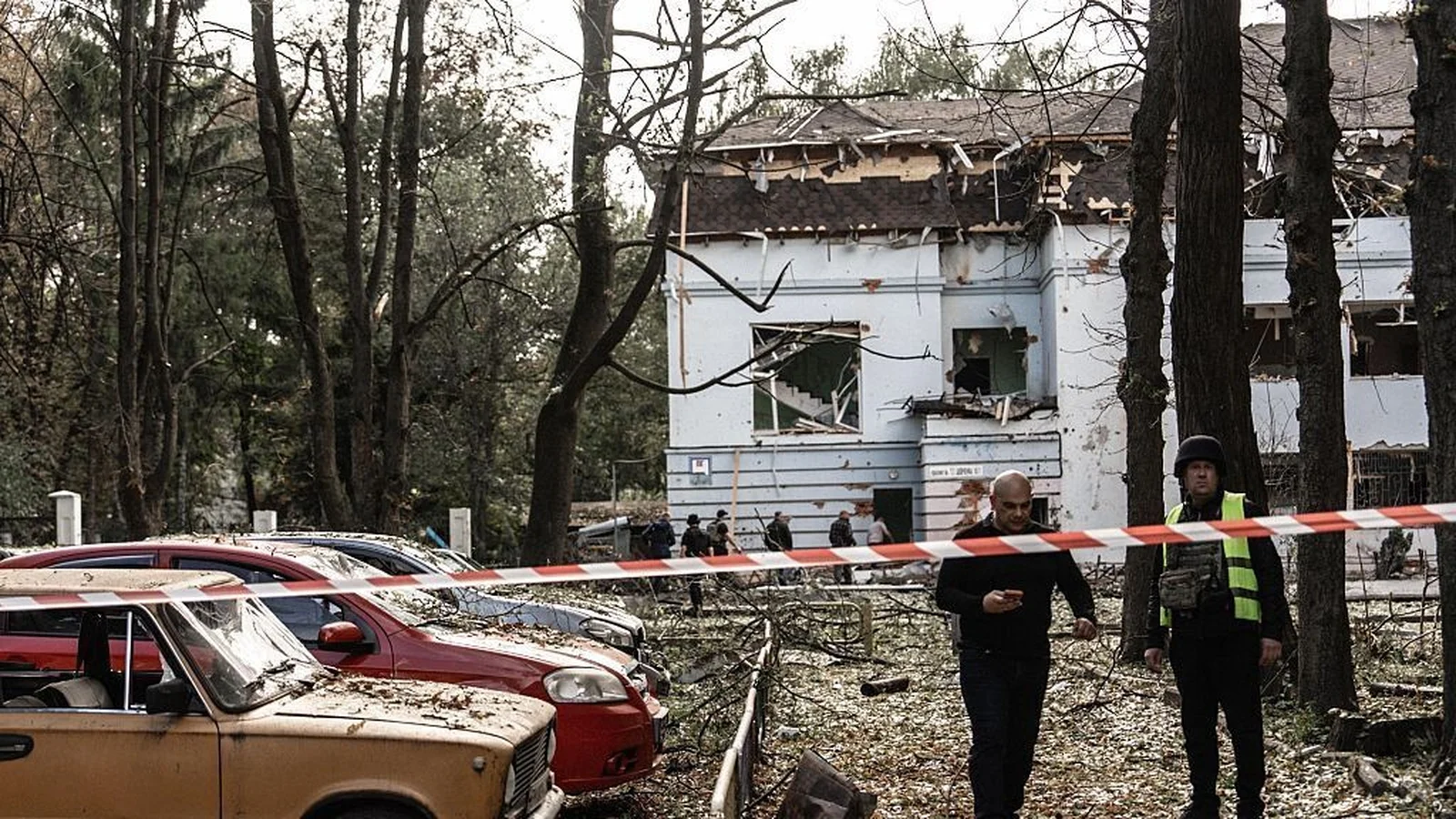
His remarks came as both countries reported new casualties from strikes over the past day, with at least 16 people killed in total.
Ukrainian authorities said Russian attacks killed at least six people, including in northeastern Sumy, in Zaporizhzhia, and in the Dnipropetrovsk region, where a 17-year-old girl was among those who died.
Russia, in turn, said Ukrainian strikes left four people dead in its Krasnodar and Belgorod regions.
In southern occupied Ukraine, Kremlin-installed officials reported six more deaths during the same 24-hour period.
United Nations officials have repeatedly warned that the number of civilians being killed in the war is rising.
Earlier this week, Mr Trump told the UN General Assembly once again that an agreement between Moscow and Kyiv to end the war was “going to happen”.
Yet US-led efforts to halt the fighting have so far failed to produce a breakthrough, while the Kremlin has repeatedly said it plans to capture the remainder of eastern Ukraine.
On the battlefield, Moscow has stepped up attacks on Kyiv as the capital braces for another winter under fire. Ukraine has also expanded the reach of its strikes inside Russia this year, hitting targets as far away as the Urals and Siberia.
Daytime strikes on Kyiv yesterday killed seven people.
Ukrainian President Volodymyr Zelensky said Russia was “escalating every single day” and renewed calls for tougher allied sanctions on Moscow.
“They want to simply wipe out our nation,” said 43-year-old Kyiv resident Oleksandr Gorlachov.
‘Dangerous path of escalation’
Before taking the podium, Mr Lavrov held talks with German Foreign Minister Johann Wadephul — the first meeting between the two countries’ foreign ministers since before the war.
The encounter came amid worsening tensions between Berlin and Moscow. Germany has accused Russia of being behind an attempted drone attack on Leipzig airport, and both countries have ordered the closure of the other’s consulate.
Across Europe, including in Germany, officials have raised concerns in recent days about what they describe as a rise in Russian sabotage activity on European soil.
“Wadephul called on the Russian Federation to abandon its dangerous path of escalation vis-a-vis Germany, Europe, and NATO,” a German diplomat said.
“He made it clear: incidents such as the recent attempted attack in Leipzig or further hybrid assaults would not shake Germany’s resolve to support Ukraine,” he said.
“This attempt to increase pressure does nothing to change Russia’s untenable situation: every month, tens of thousands of Russian soldiers die in a hopeless war of positions, while the Russian economy continues to collapse.”
Mr Lavrov last sat down with a German foreign minister in January 2022, meeting Annalena Baerbock less than a month before Russian troops entered Ukraine.
Germany remains one of Kyiv’s key allies.
Russia’s longest-serving minister, Mr Lavrov has recently accused Germany of “wanting war again” and has become one of Moscow’s most outspoken anti-Western voices.
In his UN address, he also delivered a pointed criticism of Berlin while discussing changes to the UN’s top security body.
“UN Security Council reform cannot involve any additional seats being allocated to Western countries, especially to Germany and Japan, who are now on the path to militarism,” he said.