Greenland in the Crosshairs: Ice, Ironies and an Old-World Stand
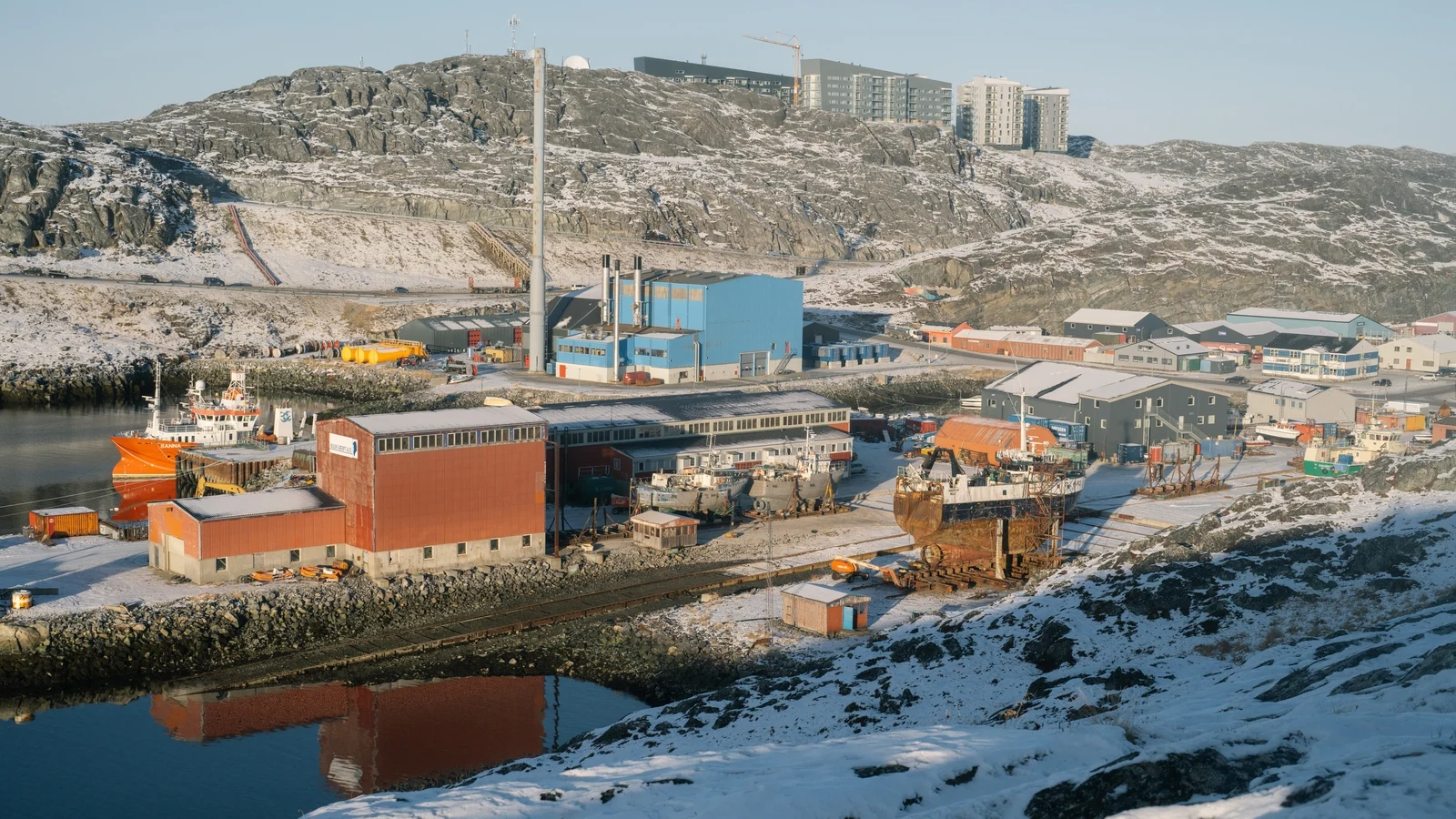
Imagine standing on a wind-stung quay in Nuuk as late afternoon light slides off icebergs like silver coins. A dog team clunks past, a woman in a red anorak hauls in a net, and the harbor hums with the small, steady commerce of a place that has always balanced on two edges: the Arctic and the world beyond.
Now imagine that quiet being discussed in capitals from Copenhagen to Paris, Warsaw to Washington. That is the strange, sudden reality for Greenland — the vast island of 2.16 million square kilometers and some 57,000 people — which has again become the subject of geopolitical fever. In recent weeks, a public push from the United States rekindled a debate that once made headlines: should Greenland be anything other than Greenlanders’ land? And who, exactly, decides?
Europe’s Reply: A Chorus for Sovereignty
European capitals answered not with diplomacy’s usual hedging but with a clear, collective voice. Leaders from across the continent — from France and Britain to Germany, Italy, Poland, Spain and Denmark — issued a statement emphasizing something basic and urgent: Greenland’s destiny belongs to its people. They framed security in the High North as a collective responsibility for NATO allies, not a private deal, and pledged to step up military and civilian activity in the Arctic to deter any would-be provocateurs.
“We will not treat one another like possessions,” said one European diplomat in Brussels, speaking on background. “When the question is about sovereignty, this is not a chess piece.”
Poland’s prime minister, arriving at a press briefing in Warsaw, warned plainly that coercion inside NATO would hollow out the alliance’s meaning. “No member should attack or threaten another member of the North Atlantic Treaty Organisation,” he said. The message was blunt: intra-alliance conflict is a fast route to weakening the very structures that keep Europe secure.
The American Signal: Strength, Maps and a Media Storm
The immediate provocation came from Washington. Former President Donald Trump — revisiting an idea first aired during his White House tenure — has again suggested the United States ought to “own” Greenland, arguing it is essential for military strategy. The notion ignited a media storm and revived a trope many Greenlanders and Danes find insulting: that a nation is something to be bought, sold or traded like real estate.
At the same time, comments from a senior White House official that “we live in a world…governed by strength” and a provocative social-media image of Greenland painted with Stars and Stripes left European allies jittery. “You can talk all you want about international niceties,” the official told CNN, “but the world is governed by power.”
Whether intended as saber-rattling or blunt realpolitik, those gestures landed badly in capitals that have been working to keep transatlantic ties intact, even as they face their own domestic and geopolitical anxieties.
Voices from Nuuk: Not for Sale
Walk the streets of Nuuk and you find a steady stream of reactions that mix bemusement with unease. At a café near the harbor, a university student named Sara explains, “This island is where my grandparents hunted seal, where we speak Kalaallisut and make our living from the sea. We are not a currency to be traded.”
A fisherman named Aqqaluk, who has spent years hauling Greenland halibut from the deep, leans on his boat and adds: “They talk about bases and minerals. They don’t talk about our pensions, our schools, our language. That’s what matters.”
Those personal perspectives matter because Greenland is not merely a strategic addendum; it is a society with its own politics. The island has home-rule arrangements that have steadily expanded since 1979 and then again in 2009, and while it is part of the Kingdom of Denmark, Greenlanders have on multiple occasions rejected union-forced solutions that would strip them of self-determination.
Local Color
- In the Nuuk market, dried fish hangs beside Inuit handicrafts, a reminder that culture and commerce here are braided.
- Kalaallisut is visible on shop signs; Danish is spoken in official settings, but Greenlandic remains the heart language for many.
- Dog sled tracks, modern snowmobiles and satellite dishes coexist in a landscape where tradition meets high technology.
Why Greenland Matters: Ice, Missiles and Minerals
Greenland’s strategic value is not simply romantic geopolitics; it is concrete. The island anchors air and sea routes between North America and Europe and hosts Thule Air Base, the northernmost U.S. military installation that has long formed part of American missile-warning architecture. Open new shipping lanes as Arctic ice retreats, and Greenland’s location becomes even more vital.
Then there is what is underfoot: known deposits of rare earth elements and other critical minerals essential for technologies from smartphones to electric vehicles. Major powers are racing to secure supply chains and reduce dependence on single-source providers. That makes Greenland a prize beyond its ice and vistas — a node in the global scramble for materials of the future.
Denmark, responding to criticism about Arctic defenses, pledged last year to invest roughly 42 billion Danish kroner — around $6.6 billion — to beef up military presence, infrastructure and readiness in the Arctic. The message is clear: Europe intends to be present and capable in the High North.
The Broader Picture: Indigenous Rights, Climate and Alliance Cohesion
This dispute is never just about borders. It raises questions about indigenous rights, climate justice and the ethics of resource extraction. Who gets to decide whether a landscape of cultural and ecological significance is opened to mining? How will the climate-driven thaw change communities whose lives have been shaped by ice? And how will NATO — an alliance built to deter external threats — respond when a member’s territory is the subject of open commentary from an ally?
“This is where the local becomes global,” says Dr. Anna Sørensen, an Arctic security specialist in Copenhagen. “When you talk about Arctic sovereignty, you are also talking about climate resilience, indigenous voices, economic futures, and the rules that govern international behavior.”
Paths Forward: Diplomacy, Respect and the Power of Choice
What comes next is not preordained. Several possible scenarios exist, each with profound implications:
- Strengthened NATO cooperation with clear rules and collective security measures focused on the Arctic.
- A diplomatic cooling-off where the U.S. reiterates respect for Danish sovereignty and focuses on bilateral agreements without talk of annexation.
- An internal Greenland conversation about closer ties with other partners while affirming self-determination — perhaps new economic partnerships that don’t compromise cultural integrity.
All of these require one thing above all: listening. Listening to Greenlanders first, and to allies second. It’s a lesson that echoes beyond Nuuk’s harbor into a world where resources, climates and borders are shifting faster than sometimes comfortable conversations can keep up with.
Questions to Carry Home
As you close this piece, ask yourself: who gets to decide the fate of a place? How do we balance the strategic needs of nations with the rights of small communities? And if the Arctic is warming, should it become a new field of contest or a common area for cooperation?
Greenland’s story is, in microcosm, the story of our times: local lives entangled with global power, cultures facing rapid change, and an old continent unwilling to let its values be overwritten by unilateral force. The island’s ice will melt on its own timetable; our choices about respect, diplomacy and restraint are the ones we still can control.
So next time you picture Greenland, imagine not a slice on a map but a place full of names, languages and histories. Imagine, too, the heavy responsibility that comes with being a grown-up on the world stage: to act with strength, perhaps, but also with restraint and deep respect for those whose lives hang in the balance.