A Quiet End to One of the Cold War’s Most Infamous Betrayals
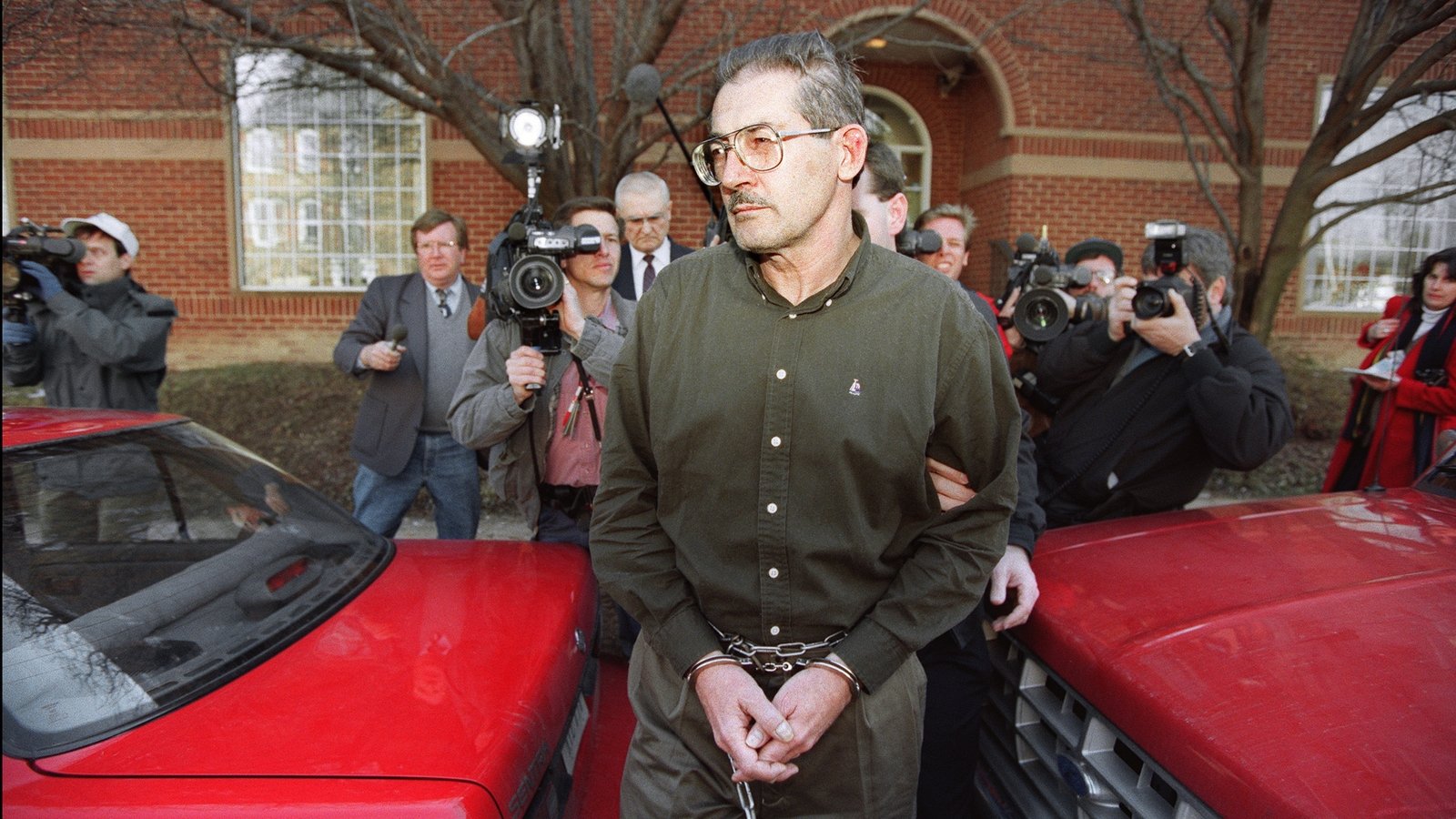
On a winter morning that felt like a page turning in an old spy novel, the U.S. Bureau of Prisons confirmed that Aldrich Ames, the Central Intelligence Agency officer whose treachery shook the intelligence world, has died in custody at age 84.
There was nothing cinematic about the final moments—no dash across a tarmac, no dramatic confession. Just the slow closing of a chapter that began in the fluorescent-lit offices of Langley and wound through safe houses, Swiss bank accounts, and the whispered names of agents who never came home.
The Spark That Consumed a Career
Ames joined the CIA and spent three decades moving through its counterintelligence ranks until he ran the Soviet branch. From 1985 to 1993, federal prosecutors say, he sold carefully curated secrets to the Soviet Union—and later to post-Soviet Russia—in exchange for more than $2.5 million.
“It wasn’t just information he handed over,” a retired CIA counterintelligence officer, speaking on condition of anonymity, told me. “He handed over lives. He handed over trust. The ripple went farther than anyone then could measure.”
Those ripples were raw and immediate. Investigators concluded that Ames’ disclosures led to the exposure—and in many cases the deaths—of at least a dozen Soviet citizens who were secretly working for the United States. Some were executed. Others were arrested and disappeared into the gulag-like machinery of a state suddenly paranoid about Western influence.
The signs, in retrospect, were unmissable: Ames and his wife Rosario lived above their pay grade. They kept cash in Swiss accounts. A Jaguar sat in the driveway. Credit card bills climbed into the tens of thousands annually. In a bureaucracy where cash and conspicuous consumption are rare in the upper halls, those were red flags that could not be explained away forever.
Langley in Turmoil
The fallout from Ames’ betrayal reverberated through Washington. Presidents were briefed with tainted intelligence, and at least three administrations—led by Ronald Reagan, George H.W. Bush and Bill Clinton—were shown assessments that had, at times, been manipulated by the man who was supposed to be protecting secrets, not selling them.
James Woolsey, the CIA director of the day, resigned amid the scandal after insisting he would not boot colleagues who might have been culpable in lapses that allowed Ames’ treachery to continue. His successor, John Deutch, initiated an overhaul that aimed to restore confidence inside the agency and with its external partners.
Foreign policy tremors followed. The Clinton White House called Ames’ case “very serious” and warned that it could strain efforts to normalize relations with a Russia that was itself reconstructing after 1991. The Kremlin, with its characteristic mix of dismissal and deflection, publicly downplayed the affair while quietly navigating the diplomatic backlash. The U.S. eventually expelled a senior Russian diplomat accused of links to the spy ring when Moscow refused to withdraw him.
Voices from the Edge
“You feel stupid afterward,” a former embassy staffer in Moscow recalled. “Not because you were naive, but because a man who shared your daily life had been selling the very things that gave you cover.”
An intelligence historian, Dr. Maya Gorsky, summed up the institutional shock: “Ames’ case eroded two things simultaneously: our ability to protect assets inside closed societies, and the public’s faith in our own guardians. That’s a deadly combination.”
Human Costs—And the Cold Arithmetic of Betrayal
Spycraft is often framed in abstract terms: intelligence, deterrence, advantage. But Ames’ story forces a focus on the human ledger. Agents, recruited and cultivated for years, were compromised with a few whispered names and the exchange of envelopes filled with cash. Those losses were not merely strategic; they were deeply personal and often fatal.
“I lost friends because of him,” said one retired operative. “People I met in kitchens, in parks, at the edges of life in cities that never slept. They trusted America with their lives. He sold them out for a few hundred-dollar bills.”
Those sentiments echo older scars in American memory. Throughout the 20th century, espionage scandals—from the Rosenbergs to John Walker—have become touchstones in debates about security, paranoia, and the sometimes-blurry line between patriotism and treason.
Why Money Often Wins Where Ideology Fails
It’s tempting to cast Ames as purely ideological, another Cold War soul seduced by the siren song of rival doctrine. The record suggests a different, more modern temptation: cash and lifestyle. Ames collected more than $2.5 million—enough, at the time, to underwrite a life far beyond what a CIA analyst could expect.
“Espionage has always been personal,” said a criminal psychologist who has studied traitors. “Ideology gets the headlines, but the reality is usually simpler. Greed, resentment, the desire for a different life—those are ordinary human motives that bureaucracies need to guard against.”
Aftershocks: Reforms, Regrets, and the Shape of Modern Spycraft
The Ames affair pushed the CIA into introspection. Internal oversight was tightened. Counterintelligence units were retooled. And for a time, there was a chastened humility in Washington about how little one could know about what went on in the shadowy corridors of foreign intelligence services.
But the world has changed. Today’s threats manifest in code and cables as much as in dead drops and false passports. Cyber-espionage, state-sponsored hacking, and data leaks create new vulnerabilities that depend less on one man’s cash flow and more on systems-wide resilience. Still, the basic lesson remains: human access is often the gateway to catastrophe.
Key Facts at a Glance
- Service: Ames worked for the CIA for 31 years, rising to head the Soviet branch of counterintelligence.
- Period of spying: Prosecutors say he sold secrets from 1985 to 1993 (and into 1994, after the Soviet collapse).
- Payment: More than $2.5 million in exchange for intelligence.
- Consequences: Dozens compromised, at least a dozen reportedly killed; life sentence handed down in 1994.
- Agency impact: High-level resignations and institutional overhauls followed at the CIA.
Looking Back, Looking Forward
As news of Ames’ death circulates, it invites us to reckon not only with a man’s choices but with the systems that allowed those choices to matter so destructively. Are we safer because we reform institutions after scandals, or are we simply more practiced at covering up vulnerabilities?
What would the agents betrayed by Ames say, if they could? Would they ask for vengeance, for answers, or for the quiet acknowledgment that someone at a desk in Virginia had decided their lives were expendable?
These are questions that go beyond Ames himself. They touch on national security and human frailty, on the incentives we build into our institutions, and on the fragile threads that hold together alliances and trust. The death of a disgraced spy is the end of a sentence on paper—but the story he wrote into other people’s lives will be read for generations.
As you read this, consider: what kinds of safeguards do we ask of those who operate in the shadows? And how do we balance secrecy with the need for accountability in a world where a single compromised human can still tilt the scales of history?
In the end, Aldrich Ames will not be remembered as a movie villain or a mythic traitor. He will be remembered as a man who chose money over the lives of people he knew. And in that choice, the human cost—plain, heavy, and irrevocable—remains the most chilling part of the story.