Outside El Rodeo: Waiting, Hope and the Politics of a Prisoner Release
On a dusty stretch of road about 30 kilometres west of Caracas, tens of relatives sleep in the stubborn buzz of fluorescent lights and the occasional bark of a security guard’s radio. Tents, folding chairs and the smell of strong coffee mix with an undercurrent of something harder to name: the brittle hope that, today, their loved ones might finally come home.
“I’ve been here four nights,” Maria Torres tells me, rubbing the rim of a thermos as she speaks. “You learn how to count small mercies—someone who brings breakfast, a guard who looks the other way—but what we really want is what was promised: our sons and daughters.” Her eyes sharpen. “We are not asking for relief, we are asking for justice.”
A White House Meeting and an Unsteady Thaw
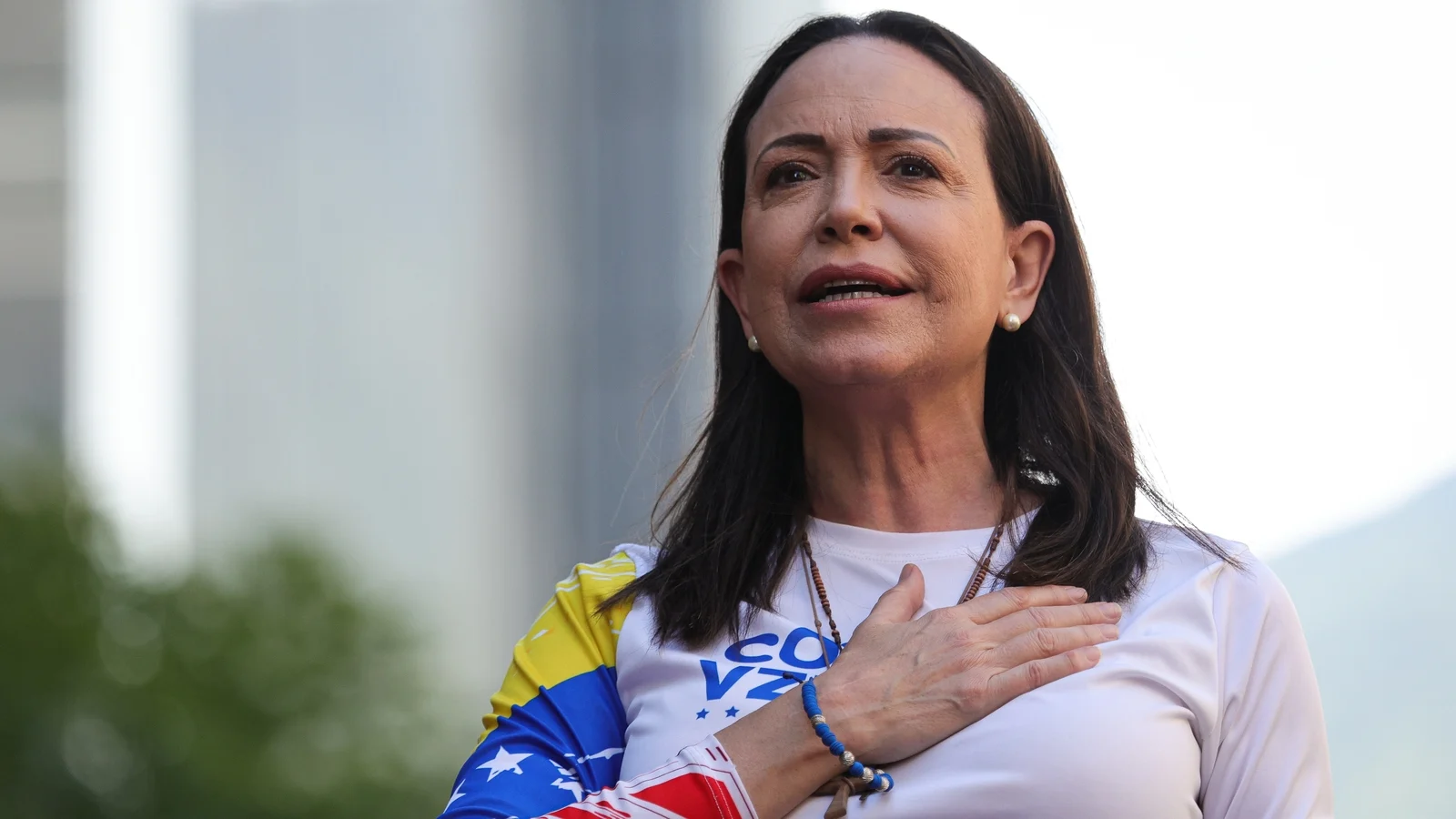
In Washington, the White House quietly confirmed that Venezuelan opposition figure María Corina Machado is expected at the White House this week. The announcement lands in the middle of a tense diplomatic recalibration: the United States is reportedly pushing hard for the release of political prisoners as part of a fragile engagement with Venezuela’s current interim leadership.
For months, the dynamic in Caracas has been unusual even by Venezuelan standards. Since a dramatic turn of events in early January, US policy toward Venezuela has been asserted with uncommon gusto, and Washington has alternated between courting opposition leaders and negotiating with acting president Delcy Rodríguez and the officials who remain in power.
“We are trying to ensure that human rights are at the front of any discussions,” a US official close to the talks told me on condition of anonymity. “At the same time, there are strategic calculations — energy, regional stability — that make this a complicated dance.”
The Numbers — What We Know (and What We Don’t)
Details on prisoner releases have been uneven and contested. Caracas has announced that 116 people detained after last year’s disputed election have been freed; rights groups estimate the total number of political detainees ranges from roughly 800 to 1,200. UN experts and opposition interlocutors say only about 50 prisoners have been released so far in a verifiable way.
- Official number of reported recent releases: 116 (as announced by Venezuelan authorities)
- Rights groups’ estimate of political prisoners: 800–1,200
- UN-verified released prisoners so far: approximately 50
The contrast — announced releases versus independent verification — has deepened frustration among families camped outside facilities such as El Rodeo. “We see them whisked out a back door,” says Manuel Mendoza, who drove six hours overnight. “We want to meet our sons in the light, not through a rumor.” His voice is quiet but firm; he says he travelled for the simple, stubborn reason that only a parent can understand: “You don’t leave your child when they need you.”
Local Texture: Ritual, Resilience and the Call to Rome
Venezuela’s civic life blends ritual, faith and politics in ways that are impossible to separate. Small, improvised altars stud the gates of the prison: rosaries, photos, hastily written names on cardboard. A neighbourhood baker brings arepas to the waiting crowd; someone sets up a portable radio that hums with boleros between bursts of anger; a priest from a nearby parish walks among the families blessing hands and listening to stories that have become unbearably long.
María Corina Machado has taken her appeal beyond Caracas. In a private audience at the Vatican, she asked Pope Francis to intercede “for those who remain disappeared and detained,” according to people close to the meeting. “I asked him to look upon Venezuelans as fellow humanity, not a political bargaining chip,” a spokesperson for Machado said.
The symbolism of that trip is not lost on anyone here. Venezuela is a deeply Catholic country where a papal nod can open moral doors that formal diplomacy cannot. But for families at El Rodeo, symbolism is small comfort without a hug, a borrowed shirt, or a chance to see a son walk free.
Oil, Power and Geopolitics: Why Washington Is Watching
At the heart of the diplomatic push is one blunt fact: Venezuela sits atop some of the world’s largest proven oil reserves. For decades, that wealth — measured in the hundreds of billions of barrels in geological surveys — has been both a blessing and a curse. Mismanagement, underinvestment and sanctions have reduced actual production to a fraction of what the fields could yield; industry estimates in recent years put output well under 2 million barrels per day, often nearer to the lower end of that range.
That gap — between geological potential and real production — is the leverage Washington and other external actors are keen to exploit. A reopening of embassies, a thaw in diplomatic relations and assurances about investor security could translate into new investment, new output, and a new constellation of geopolitical ties in the region. Yet many here worry that that calculus will once again prioritize crude over people.
“We cannot be a story of recovery that forgets the disappeared,” says Alejandra Molina, a human-rights lawyer in Caracas. “Economic openings must be accompanied by truth and justice. Otherwise, the cycle repeats.”
Political Cross-Currents: Machado, Urrutia and Rodríguez
The internal political map is jagged. María Corina Machado, long a prominent opposition leader, has seen her role change as international actors shift their bets. Edmundo González Urrutia, who ran for the opposition in the contested election after bureaucratic disqualifications sidelined others, is recognized by many at home and abroad as the democratic victor.
Acting president Delcy Rodríguez — a staunch ally of the previous administration — has nonetheless engaged in negotiations on several fronts. In recent days she has overseen ministerial reshuffles, installing trusted aides in key posts. Some view these moves as an attempt to stabilize the apparatus of the state; others read them as consolidation that could make concessions on rights harder to secure.
“Every hour without progress is a new injury,” Urrutia told a group of family members during a visit earlier this week. “We are measured not by press releases but by the names we restore to their families.”
What Would Meaningful Progress Look Like?
For those on the ground, the answer is pragmatic: transparent, documented releases; access for independent monitors; fast and fair judicial reviews; and a sustained roadmap for those still detained. For international actors, the dilemma is whether to tether engagement to human-rights benchmarks or to pursue a phased rapprochement that could open political space but risk rewarding bad actors.
So what should come first: restoring diplomatic relations that might unlock humanitarian aid and investment, or insisting on immediate and verifiable human-rights steps even if that slows broader negotiations?
There are no easy answers. There are, however, people waiting outside prisons in the dark, counting nights and small mercies. There are families who will remember not the statements of presidents but whether someone came home. And there is a country whose future will be decided in living rooms, in parliaments, and in the slow, often painful work of holding power to account.
Questions to Consider
When the world watches a country of oil fields and deep suffering, what should be the balance between realpolitik and human dignity? And when diplomacy arrives at a prison gate, whose faces should be the priority: the negotiators at the table, or the families in the cold?
As the talks continue and the number of released prisoners ticks slowly upward, one thing is clear: any durable solution must center the people whose lives have been paused by detention. Otherwise, the next night outside El Rodeo will look much like the last.