When the Flags Change: A Quiet Reckoning in Northeast Syria
Early one gray morning in Qamishli, the city woke to a different rhythm. The bakers still slid warm loaves from blistering ovens, and tea vendors called out to customers, but there was a new cadence in the streets—a column of uniformed men moving methodically through neighborhoods once patrolled by local Kurdish fighters.
“We listened for drums and found boots instead,” said Rojan, a schoolteacher who asked to be identified by her first name. Her voice carried the tired humor of someone who has seen too many sudden pivots in a decade-long war. “We are tired. We want safety. But there is also a grief in the air—like watching a house you painted yourself get painted over by someone you barely know.”
What unfolded here is the product of a delicate, high-stakes bargain between Damascus and the Kurdish-led Syrian Democratic Forces (SDF): a comprehensive agreement to fold large parts of the Kurds’ self-administration into the central state. After weeks of clashes that pushed the SDF off vast stretches of north and northeastern Syria, the two sides implemented a ceasefire and agreed to a phased integration—an outcome that will reconfigure the map and the lives of millions.
What the Agreement Says — Plainly
At its core, the deal stipulates several consequential moves: government security forces will return to the cities of Hasakeh and Qamishli; three brigades will be formed from SDF ranks and nominally placed within the Syrian army; and a separate brigade will be created for Kobane. The ceasefire was extended for 15 days as both parties proceed with negotiations on implementation.
In practical terms, it is a narrowing of Kurdish control. Once a patchwork of self-rule that stretched from the Euphrates to the Iraqi and Turkish borders, Kurdish authorities now face confinement to Kurdish-majority enclaves—Hasakeh, Qamishli, Kobane and their surrounding countryside.
Quick summary of the deal
- Government forces to deploy in Hasakeh and Qamishli.
- Three brigades to be created from SDF personnel.
- A dedicated brigade for Kobane.
- Ceasefire extended for 15 days during talks on integration.
What This Means on the Ground
Walk through the markets and you will hear more than policy. You will hear questions—practical, human, urgent. How will school curricula be handled? Will Kurdish-language teachers keep their jobs? What happens to local councils that have managed services like water, hospitals and waste collection for years?
“We built hospitals from scratch when nobody would come,” said Bahar, a nurse in Hasakeh. “If the state says it will take over, fine—just don’t make our clinic close its doors in the middle of winter. Our people need continuity.”
That continuity is the rub. For over a decade of Syria’s civil war, Kurdish administrations provided a level of local governance—security, courts, social programs—that filled a vacuum left by a fragmented state. Now, with a freshly reassertive central government—led by new Islamist authorities who assumed power after the ouster of Bashar al-Assad in December 2024, according to the agreement—those local systems face absorption, reform, or dissolution.
Numbers and the Human Ledger
To understand the stakes, place this local story against the national ledger of loss. The Syrian conflict has reshaped an entire generation: more than half a million people killed and nearly seven million driven abroad as refugees, with another seven million displaced inside the country. Cities today are mosaics of returnees, newcomers and communities holding on to the fragments of normal life.
The Kurdish minority—often estimated at roughly 10% of Syria’s pre-war population—once wielded an outsized degree of autonomy across a swath of oil fields, agricultural lands and border crossings. This deal reduces that footprint significantly, and with it, the political aspirations of many Kurds who had hoped to cement a durable self-administration.
Voices from a Fractured Landscape
“We did not start this,” said a regional security official, speaking on condition of anonymity. “But once engagements begin, you need a framework: integrate forces, avoid parallel security structures, and restore state sovereignty where possible.”
Humanitarian workers and rights advocates offer a sterner note. “Integration must not mean retribution,” warned Lina al-Masri, a representative of an international human rights organization. “We have documented abuses in the past from all sides. This is an opportunity to create safeguards—judicial oversight, transitional justice, and true protection for minority rights.”
For the ordinary residents, the conversation is blunt. “I want my son to finish his studies,” said Ahmed, a mechanic in Kobane. “If they promise schools and jobs, fine. But promises on paper are easy.”
Local Color: Streets, Songs, and Festivals
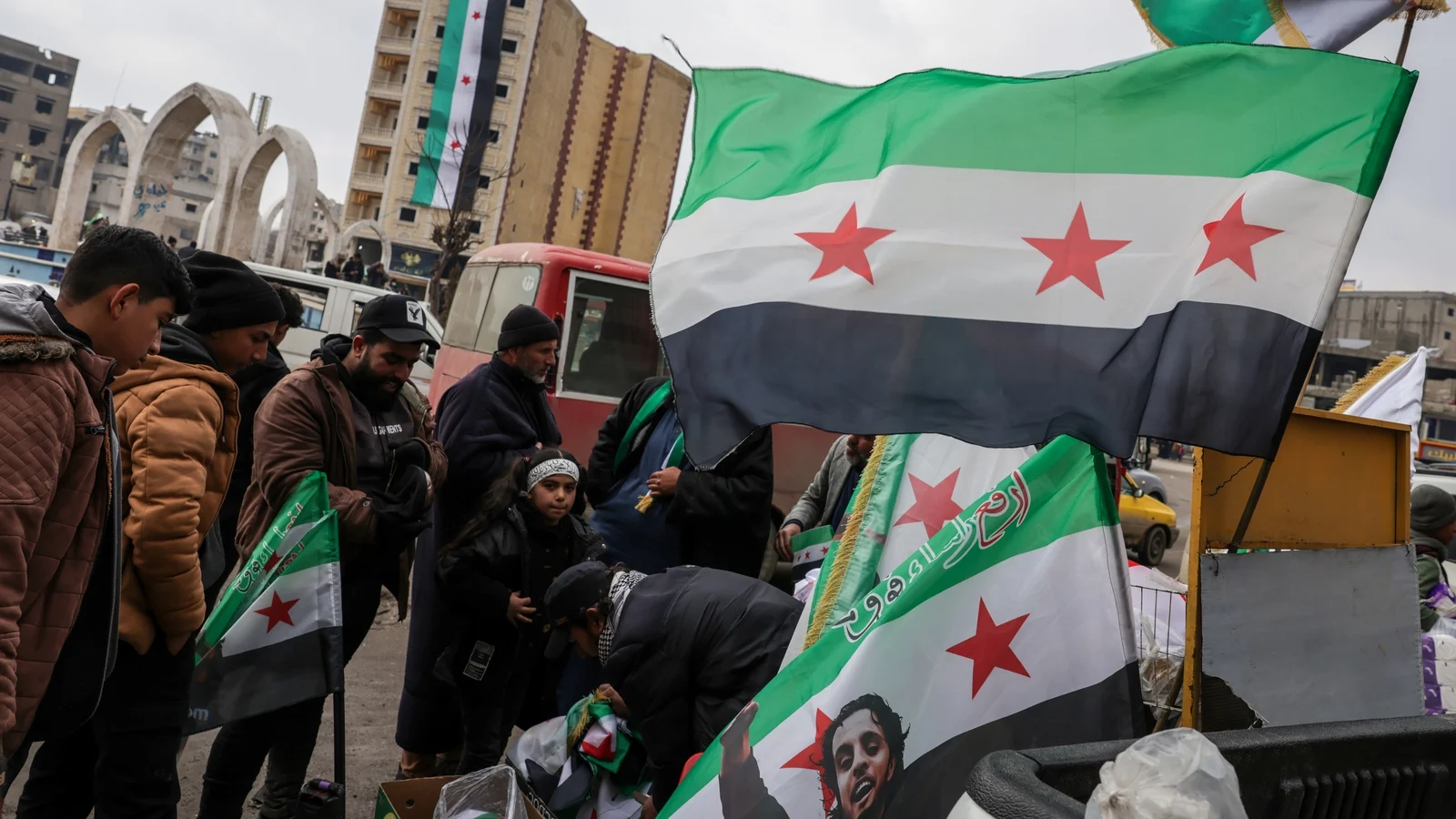
These cities are not only strategic board pieces; they are living communities with layered identities. In spring, when Newroz—Kurdish New Year—used to bring fires and flags, neighborhoods buzzed with music and shared feasts. Now, such public displays will be read as political signals as much as cultural rejoicing.
At the same time, bazaars still hum. The aroma of cumin and roasted nuts, the call to prayer echoing across shared skylines, the patchwork of languages in shops—Arabic, Kurdish, Armenian—speak to a social fabric that refuses to be reduced to headlines.
Why the World Should Watch
There are geopolitical ripples. Turkey watches Kurdish advances with unease; Baghdad keeps a wary eye on cross-border Kurdish ties in Iraq; and international actors who once backed Kurdish forces against the Islamic State must now recalibrate. But beyond strategy lies a wider theme: how fragile wartime arrangements are folded back into peacetime institutions, and whether that folding preserves dignity as well as order.
Ask yourself: how should a country stitch itself back together after a decade of fragmentation? Is integration a return to sovereignty, or a quiet erasure of hard-won local agency? And who gets to write the rules for inclusion?
What Comes Next
The 15-day extension of the ceasefire is a thin glass bridge. Negotiations on the shape of integration—who leads the brigades, who controls policing, how municipal services will be shared—will determine whether this becomes a sustainable détente or a prelude to renewed conflict.
“This is a turning point, not the ending,” said Dr. Mira Halabi, a scholar of Middle Eastern governance. “If implemented with transparency, it could normalize governance. If implemented by force, it will leave resentments that erupt later.”
For now, life continues in Hasakeh, Qamishli and Kobane. Children still cluster around schoolyards. Markets open and close. The scent of morning tea still rises from plastic cups handed across stoops. But beneath the ordinariness, people carry the knowledge that the map of their lives has been redrawn.
So, as readers far from these dusty streets and crowded clinics, what do we owe them? Attention. Pressure for safeguards. And the humility to know that rebuilding a country is not only erecting institutions, but also tending to the frayed threads of trust. Will the new arrangement deliver stability—or simply trade one set of uncertainties for another? Only time will tell, and the answer will be written not in headlines, but in the small acts of daily life.