When the Cable Went Quiet: Inside a Whispered Warning from Gaza
There are moments when the world’s most urgent truths arrive not as breaking headlines but as a quiet, urgent cable routed through government channels—meant for the eyes of leaders who can act. In early 2024, a handful of these cables tried to do just that: to hold up a mirror to northern Gaza and say, plainly, that the landscape had been reduced to an “apocalyptic wasteland.”
What followed felt less like decisive action and more like a bureaucratic shrug. Senior diplomats in Jerusalem chose to keep that mirror from seeing the light of broader government scrutiny. The human cost the cable described—bones on roads, bodies left in abandoned cars, catastrophic shortages of food and safe water—was deemed, by those who controlled its circulation, too raw, too unbalanced, or too politically sensitive to pass along.
A scene too stark to be ignored
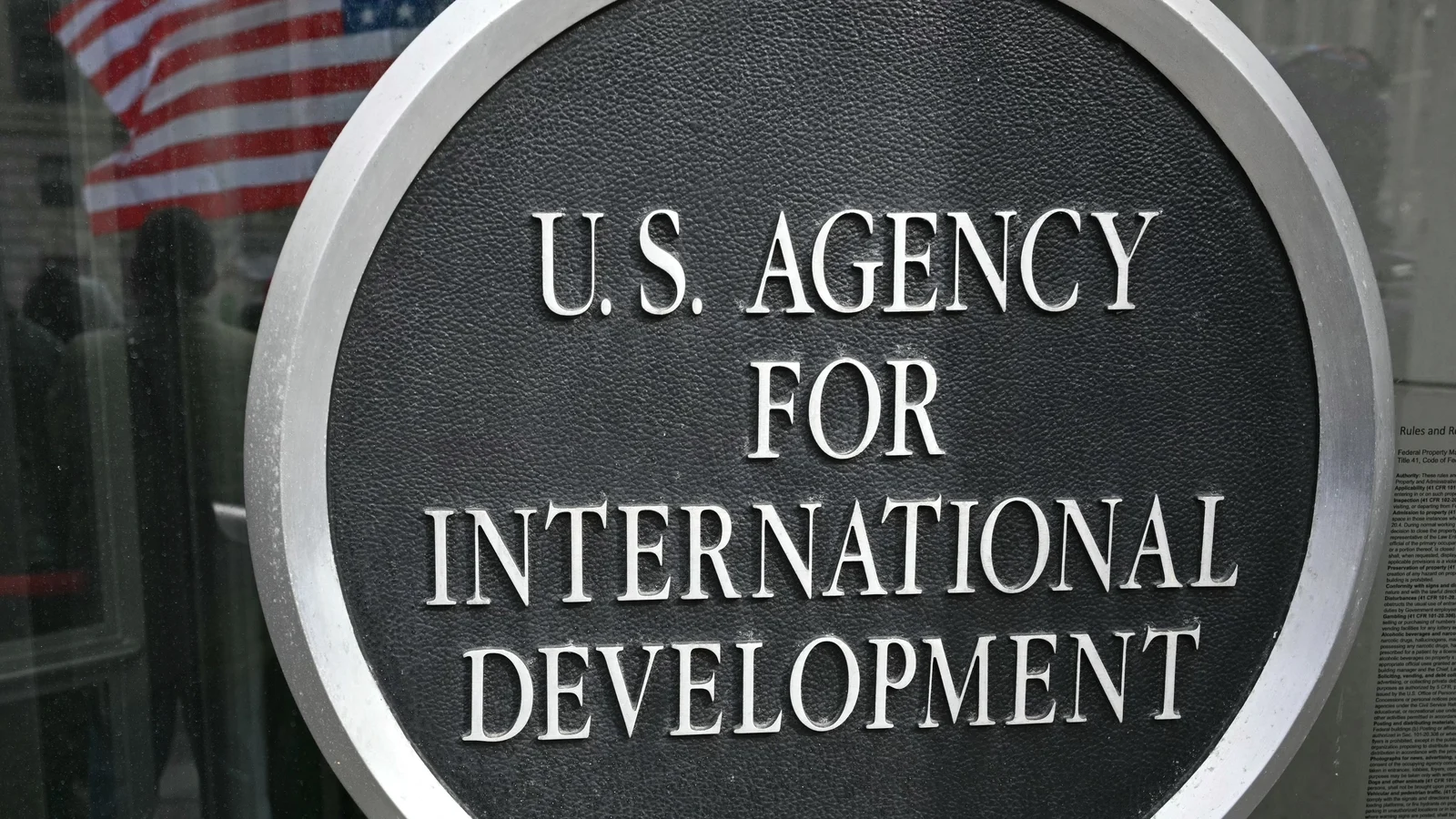
Imagine walking a street littered with evidence of lives abruptly interrupted: a human femur lying near a curb, the open door of a car with a child’s shoes inside, the faint smell of smoke and something worse. That is the account compiled in one USAID dispatch after UN teams toured northern Gaza in January and February 2024. The authors of the cable did not cloak their astonishment—these were not rumors but ground-level observations from humanitarian professionals.
“We saw things you don’t expect to see in the modern world,” said a former USAID crisis specialist who helped draft similar reports. “If that doesn’t move policymakers, what will?”
The cable was one among several that painted a consistent, deteriorating picture: crumbling sanitation, collapsing medical services, dwindling food supplies and a breakdown of social order. The Palestinian Health Ministry’s running toll—more than 71,000 dead in Gaza—was one hard, grim anchor to that reporting. And remember that the conflict began on 7 October 2023, when militants killed more than 1,250 people in Israel; the shocks and reverberations have been catastrophic on all sides.
Why the warning was silenced
Here is the part of the story that feels like an inside-the-tent drama. The cable did not simply languish because someone missed a deadline. According to former officials, the US ambassador to Jerusalem and his deputy judged the messaging unbalanced and blocked its distribution within the US government. Their argument: the material mirrored accounts already circulating in the press and risked complicating delicate diplomatic efforts, including negotiations tied to a US-brokered ceasefire and an increasingly fraught debate about military support tied to compliance with international law.
“Cables are how we share actionable humanitarian reality when we have no boots on the ground,” said an ex-State Department official. “When those cables are held back, the consequence is a kind of official myopia.”
Adding to the distrust was practical reality: USAID had no staff inside Gaza since 2019 and relied heavily on UN agencies—UNRWA, OCHA, UNMAS—and independent aid groups for its reporting. Some in the Biden administration questioned whether those third-party sources were overreaching or whether their grim pictures were fully verified.
Who chooses which truths to share?
That question cut to the heart of a larger debate. Should the diplomatic apparatus filter stark humanitarian reporting in the service of a larger strategic aim? Or does filtering amount to sanitizing history, a refusal to name what is happening to civilians in the crossfire?
“This isn’t about storytelling. This is about whether the people in suffering are visible to the people who can act,” said an independent humanitarian expert who has worked in fragile settings worldwide.
- Population of Gaza: more than 2 million people
- Reported deaths (Palestinian Health Ministry): over 71,000
- Reported deaths from 7 October attacks: more than 1,250
- Public opinion note: a Reuters/Ipsos poll found more than 80% of Democrats said Israel’s response had been excessive (August 2024)
Field reports sidelined as politics took center stage
While the White House and the National Security Council had their own reporting channels—daily briefings, intelligence updates—some of the most harrowing humanitarian testimony never reached the full circle of senior policy makers. One cable about food insecurity did make it into the president’s daily briefing in January, prompting surprise that southern Gaza already showed signs of severe hunger. But the more graphic, painstaking accounts from the north were limited in distribution.
“When front-line humanitarian expertise gets sidelined, policy becomes detached from the human reality it’s supposed to address,” said a former member of USAID’s Middle East disaster team. “We ended up reading each other’s press releases.”
On the ground: Rafah, crossings and a fragile truce
The Rafah crossing, the singular conduit to the outside world in Gaza’s south, has been oscillating between closure and partial opening. Israeli authorities permitted a limited reopening at times—pedestrians only—while the larger mechanics of governance in Gaza remain unresolved. The ceasefire brokered by the US, now months old, introduced a multi-phased plan: hostage releases, prisoner swaps, eventual Israeli withdrawal and international stabilization forces. Central to the plan’s second phase is the disarmament of Hamas, a claim the organization has publicly resisted.
Meanwhile, families mound their lives into tents, scavenging heat in harsh winter weather; sanitation is makeshift; clinics are overwhelmed. “We’ve slept in a tent for months,” said a woman in Rafah, voice low. “My son has been feverish for days. There is no medicine, no proper shelter. You don’t feel like a person anymore.”
Why this matters beyond the region
What happened to that cable matters because it reflects how information is mediated during conflict—what gets amplified, what is muted, and who chooses. In an era of instantaneous news and social media, the filtering of on-the-ground humanitarian reporting by diplomatic channels is not just an administrative matter; it’s a moral and strategic one.
Do democracies truly serve their principles when uncomfortable realities are edited out of the decision-making stream? How do we balance the risks of derailing negotiations with the imperative to prevent mass suffering?
These questions are not academic. They shape whether aid flows, whether military assistance is conditioned on compliance with international norms, and ultimately, whether civilian lives are prioritized.
Parting thought
As you read these words, remember that behind every suppressed dispatch, every bureaucratic redaction, there are people waiting for food, shelter, and dignity. The choice to circulate a cable is not just about facts—it’s about whether those facts provoke action. If you could step into the shoes of a policy maker for one briefing, what would you want to see? What would you be willing to fight to make public?
We live in a world where truth often travels through channels that shape it. The real test of our shared humanity is whether the most urgent truths—those that show who is suffering and why—are allowed to travel freely enough to inspire change.