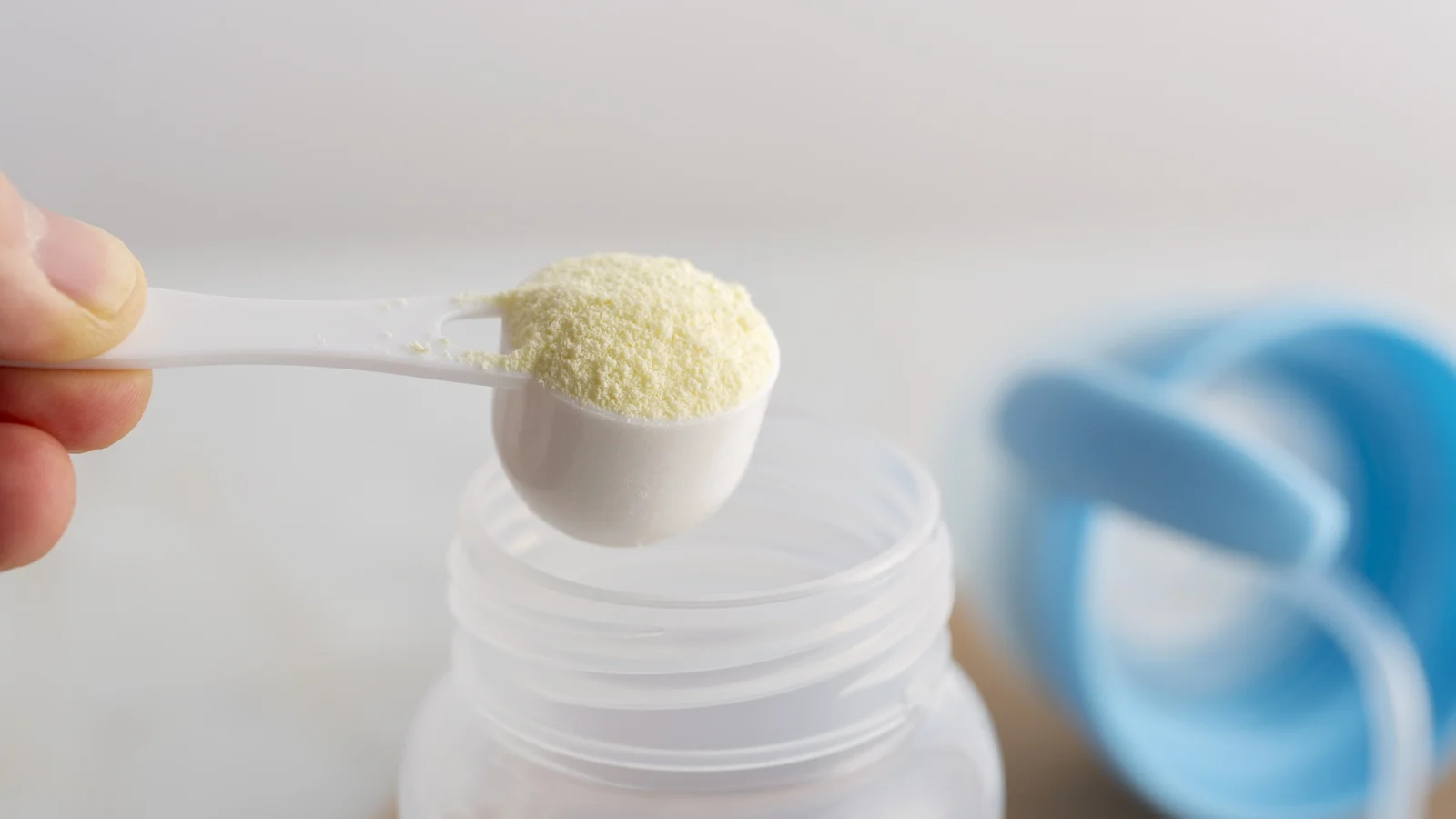
When a Pinprick of Contamination Becomes a Global Crisis
One morning in a small apartment near the Canal Saint-Martin, a mother lifts a bottle of formula to soothe her newborn. The motion is automatic, intimate — a choreography repeated millions of times a day. Now imagine that simple act beset by doubt: Is this safe? Was it made from an ingredient tainted halfway around the world?
That unease has rippled across continents this month after France announced it would lower the safety threshold for cereulide, a heat-stable toxin tied to foodborne illness, in infant formula. Paris’ agriculture ministry set the new limit at 0.014 micrograms per kilogram of body weight, roughly half the previous benchmark of 0.03 μg/kg. The move follows a flurry of recalls affecting major brands and ingredients sourced from a single factory in China — and it has sent parents, regulators and manufacturers into a scramble.
What is at stake?
Cereulide is produced by certain strains of Bacillus cereus and is known to provoke acute vomiting and nausea. In rare and severe cases, it has been associated with liver damage and life-threatening complications, particularly in infants whose bodies are still fragile. Detecting such a compound in an ingredient that feeds babies worldwide exposes a chilling fragility in complex global supply chains.
“We are talking about infants — the most vulnerable among us. Even the smallest risk must be treated with the utmost seriousness,” said a senior official at the French farm ministry in a statement accompanying the new threshold. “Lowering the limit is a precautionary step to protect families while investigations continue.”
From one factory to countless shelves
The contamination appears to have originated in ingredients processed at a single factory in China, which supplied a range of infant formula makers. Big names — including Nestlé, Danone and Lactalis — have found themselves issuing recalls in dozens of countries as a precautionary measure. When a single raw input feeds multiple products, a flaw can cascade through markets with dizzying speed.
“Supply chains are marvels of modern life, but they are also single points of failure when oversight cracks,” explained a food-safety expert at a European university. “You can have rigorous controls at each brand’s plant, but if an upstream supplier is compromised, it reverberates downstream.”
The human side: fear, grief and the search for answers
In a pediatric ward in Lyon, a nurse who asked not to be named described parents arriving “white-faced” with questions and sleepless nights. “They want to know which batch, which brand — they need certainty,” she said. “You can reassure them with statistics, but that doesn’t warm a child’s belly.”
French investigators announced on January 23 that they were probing potential links between the recalled formulas and the deaths of two infants. Families have been left in anguish; consumer advocacy group foodwatch filed a criminal complaint in Paris on behalf of eight families whose babies reportedly fell ill after consuming the formula, alleging that companies were slow to alert the public.
“No parent should have to become a detective to protect their baby,” said a spokesperson for foodwatch. “Transparency isn’t optional — it’s a moral and legal duty.”
Policy, precaution and a patchwork of rules
France’s decision followed a European Union meeting on January 28 and aligns with forthcoming guidance from the European Food Safety Authority (EFSA). The lower threshold is expected to prompt additional product withdrawals in France in the coming days as authorities reassess batches under the stricter standard.
Regulatory bodies face a delicate balance: act too slowly and risk harm; act too quickly and exacerbate shortages or cause unnecessary panic. The infant formula market is enormous — valued at well over $70 billion globally — and even brief supply shocks can leave store shelves bare, fanning public alarm.
“Regulation must be both science-driven and adaptive,” said an EU regulatory analyst. “EFSA’s role is to interpret the latest toxicology and exposure data. Member states then apply those standards in real time.”
Will tighter limits mean more recalls?
Almost certainly. A lower acceptable limit means more products will fall outside the safe range and be pulled from shelves. For some parents this will be a relief — tighter protections. For others it will be another anxiety-provoking disruption. The question then becomes: how to ensure continuity of supply while raising safety bars?
- Accelerated testing protocols at borders and distribution centers;
- Greater transparency from suppliers about production practices;
- Contingency strategies from manufacturers to source alternative, certified ingredients;
- Clear, timely communication to consumers and health professionals.
Local color: the everyday scenes behind the headlines
Walk into any French pharmacy and you’ll sense the mood change. Shelves that once displayed rows of powdered formula now show “temporarily unavailable” stickers. A grandmother waiting outside a clinic in Marseille wrapped her scarf tighter in the winter wind and said, “When my grandchildren were born, we trusted the brands. Now we read labels like exam papers.” A young father at a supermarket in Nantes held two tins in his hands and sighed: “You think you’re buying trust. Now you buy names.”
These vignettes are small but telling. They reveal how trust — not just at the point of sale but in institutions and systems — is the real commodity at risk.
Big-picture lessons
What does this episode teach us beyond the immediate scramble? Several broader currents are at play.
- Globalization has knitting benefits — lower costs, wider variety — but also amplifies risk when oversight is uneven.
- Vulnerable populations, especially infants, require conservative safety margins because their tolerance for toxins is lower.
- Regulatory harmonization across borders is essential; a toxin doesn’t respect trade lines.
“This is not simply about a factory in one country,” said an international food policy researcher. “It’s about how the global system manages and shares risk. We need better traceability, faster recall mechanisms and legally binding transparency obligations for suppliers.”
What can parents do now?
For caregivers feeling lost, here are practical steps:
- Check official government and health agency websites for recall lists and batch numbers;
- Contact your pediatrician before switching products; abrupt changes may cause digestive issues;
- Prefer formula brands that publish their sourcing and testing reports;
- Consider local support networks — lactation consultants, parent groups — to explore feeding options.
“Parents aren’t being dramatic — they’re responding rationally,” said a pediatric nutritionist. “Empower them with facts, logistical help and choices.”
Questions to sit with
As you read this, consider: How much trust are you willing to place in a global supply chain? When safety and convenience clash, where should societies draw the line? And finally, how do we rebuild that trust once it is frayed?
The cereulide episode is a reminder that public health is as much about systems as it is about science. The policy tweaks, the tests, the recalls — they are all attempts to stitch safety back into the everyday acts of care that once felt simple. For parents, a bottle is never just a bottle; it is comfort and nourishment and a quiet promise that the world will keep their child safe. Today, that promise feels a little more fragile. The response from companies, regulators and communities in the weeks ahead will determine whether it is mended — or further frayed.