At the Munich Crossroads: A Quiet Storm Around Greenland
When Mette Frederiksen stepped off the plain-cloth car at the Munich Security Conference, the winter light felt brittle and bright against her wool coat. Cameras swirled, diplomats gathered like birds on a wire, and somewhere between espresso kiosks and corridor briefings the word “Greenland” hummed like a misfired fuse.
“We will speak with our American partners about Greenland,” Frederiksen told reporters, her voice even but edged with a diplomat’s impatience. “It is not a bargaining chip; it is a people and a place.” Her team confirmed she planned meetings with U.S. officials on the sidelines of the talks — part routine, part damage control, and part strategic planning.
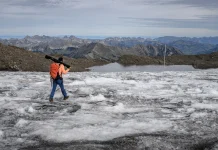
The scene in Munich this year feels less like a polished summit and more like a junction where old alliances and new anxieties collide. The Arctic — long the province of scientists, indigenous communities, and cautious militaries — has become a map of competing interests: melting ice, newly accessible mineral wealth, shorter shipping lanes, and an intensifying choreography between capitals from Washington to Beijing.
Why Greenland Matters — Beyond Headlines
Greenland is not a simple plot in a geopolitical chess game. It is an island of sweeping fjords, tiny towns painted in bright enamel, a population roughly the size of a small town (about 56,000 residents), and an ecological clock that ticks faster than the rest of the planet. But it also sits on a set of reserves — rare earth elements, zinc, uranium and other critical minerals — that the world increasingly prizes.
Ask a Greenlandic fisherman in Nuuk about the global interest and you will hear a different cadence. “We never asked to be famous,” said Annika Kleist, who runs a guesthouse and certifies whale-watch tours in the harbor. “People talk about minerals and ice, but our life is fjords, dogs, coffee and long winters. We need respect and real partnership, not auction signs.”
Strategically, Greenland is a sentinel in the North Atlantic. As ice retreats and new sea routes open, the island’s airfields and maritime approaches become far more than local infrastructure — they are nodes in a network of power that reaches from NATO command centers to Asian markets. That explains why the U.S. — which in recent months has signaled an interest in expanding its influence in the region — is pressing for a stronger role.
Conversations in Munich: Tension, Diplomacy, and the Art of Reassurance
On the ground in Munich, Frederiksen’s agenda is twofold: to reassure her Greenlandic citizens and to hold a line with allies. The Danish prime minister’s message echoes through the halls: Europe must do more to safeguard its own interests. “We cannot rely on a single partner to guarantee our security,” she said in a hallway interview, invoking a steady refrain heard across capitals since 2022 — the need for greater European defense capacity.
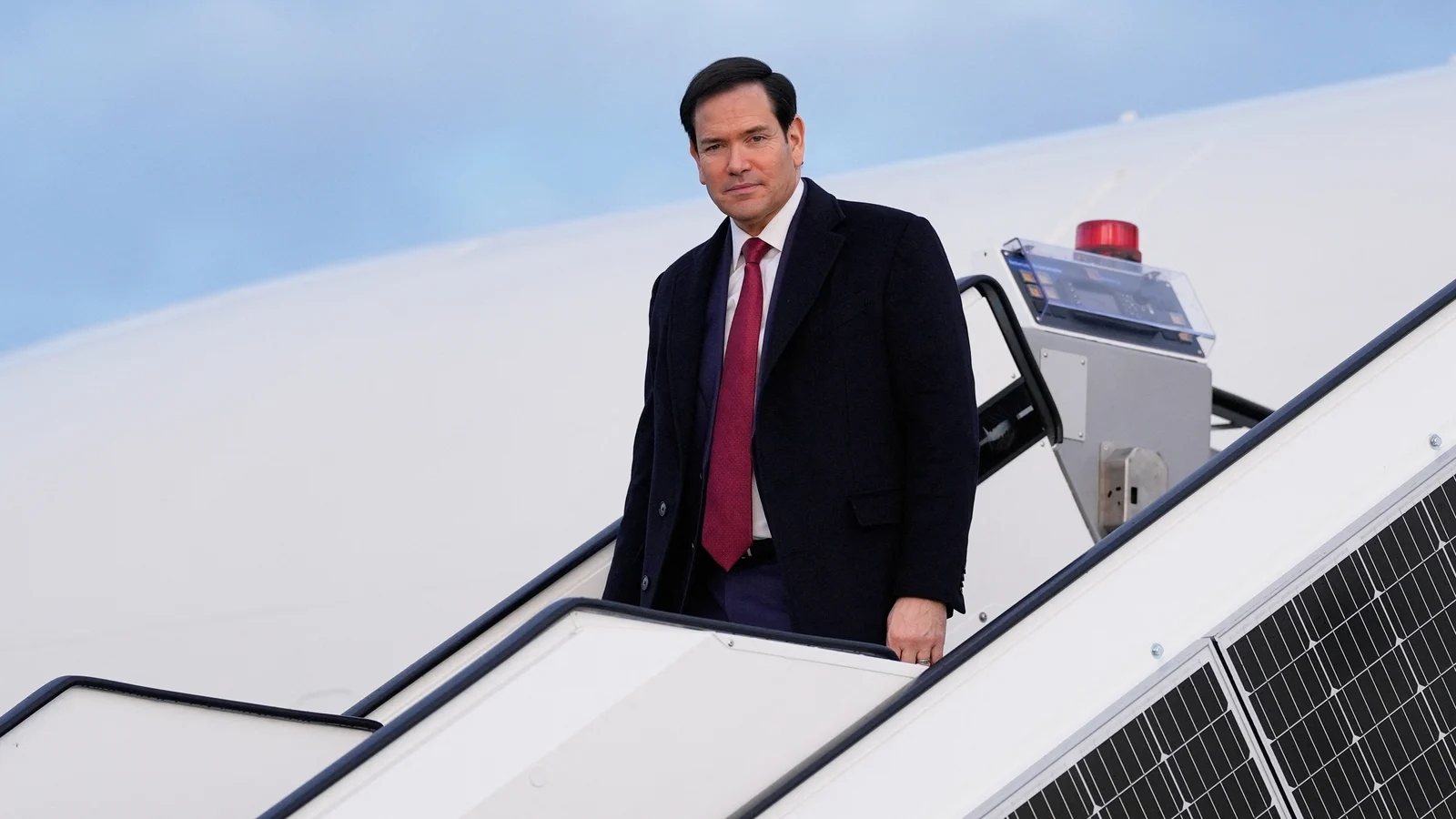
U.S. Secretary of State Marco Rubio, who is leading the American delegation, framed his presence differently. “We are here to ensure open seas and secure supply chains,” he said before boarding his plane. “Allies must pull their weight for the security of the north and for the prosperity of our economies.” The language is familiar: burden-sharing, deterrence, and the push to modernize defenses in a geopolitical era that many experts now call multipolar.
Yet beneath the official statements there is unease. The so-called “Greenland moment” — a period of pointed U.S. interest in increased control or influence over the island — rattled trust. Even if the most confrontational proposals have been shelved, the fissures remain. European publics, particularly in Germany and the Nordic countries, are asking if the security umbrella is permanent or conditional.
Military Moves and Arctic Missions
Denmark has not been passive. Copenhagen participates in a NATO Arctic mission and has committed F-35 fighters and other assets to patrol northern airspace. A U.S.-Denmark-Greenland working group has been convened to air strategic concerns, though officials publicly acknowledge that many discussions will remain classified. The point is clear: the Arctic is no longer peripheral.
As one NATO official put it quietly in Munich, “We are updating old maps. The ocean and the ice now carry consequences for Europe’s safety and global trade. That changes how you posture and where you put your aircraft.”
Voices from Home: Greenlanders Weigh In
Back in Nuuk, the conversation is more intimate and complicated. “We want investment, not imperial gestures,” said Aron Petersen, a schoolteacher who skis in summer and boats in winter. “Who decides what happens to our land? That should be our community, our council, not a distant negotiation between capitals.”
Indigenous leaders have long warned against decisions made without their consent. In 2009 Greenland gained more autonomy from Denmark, and aspirations for greater self-determination are woven into daily life. Coffee shops, municipal meetings, and even funerals echo with the same refrain: the people of Greenland wish to be central, not an afterthought.
There is humor, too. In a Nuuk market, an old hunter laughed when asked about foreign interest: “If outsiders want our rocks, let them come with good bread. But they must remember the sea decides, not paperwork.” It was half joke, half proverb — a reminder of how local culture measures incoming forces.
Lines on a Global Map — What This Means for the Rest of Us
Munich is never just a European story. The questions raised there ripple across oceans: How do alliances survive when political winds shift? What happens to international norms when strategic assets are in precarious, depopulated places? And how will warming seas redraw trade routes and military calculations?
For analysts like Philip Gordon of the Brookings Institution, the stakes are about unity. “A fragmented transatlantic alliance weakens deterrence and opens space for rivals to play divide-and-rule,” he said at a panel this week. “Europe needs to buy defense capacity and political autonomy; otherwise the strategic void will be filled by others.”
Readers might ask themselves: do we understand the Arctic as merely a resource frontier or as home to resilient communities whose lives will shape, and be shaped by, global decisions? The answer matters.
Looking Forward: Possibilities and Pitfalls
As talks continue in Munich and follow-up meetings are scheduled, the choreography will shift. Expect proposals for joint Arctic stewardship, investments in Greenlandic infrastructure, and renewed calls for European defense spending — but also negotiation pains. The United States, keen on securing supply chains and forward basing, will press. Denmark will insist on sovereignty and consultation. Greenlanders will demand a seat at the table.
There is no single script for what comes next. But if the Munich conversations teach us anything, it is this: geopolitics often arrives not as a sudden invasion but as a series of small decisions, corridor talks and working groups that together reshape lives thousands of miles away.
So what will we choose as a global community — competition or cooperation, extraction or partnership? The answer will not be written in Munich alone. It will be written in Nuuk’s town halls, in Danish parliament sessions, and in the quiet choices of miners, fishermen, politicians, and diplomats. And perhaps most importantly, it will be written by the people of Greenland themselves.