A birthday arrest, a brittle crown, and the paperwork that won’t stay buried
On what should have been a quiet 66th birthday, the routine of a royal household broke into something raw and public: an arrest, the rustle of court paperwork, and the unmistakable creak of a centuries-old institution being tested in daylight.
This is not a tale that reduces easily to the lurid headlines that have dogged the late Jeffrey Epstein. Those allegations—horrific, painful, and already central to a civil settlement—are the backdrop. The new thread in this knot is different: not about sex trafficking as such, but about trust and the duties of public office. Documents released from Epstein’s trove appear to show a former senior royal using access granted by the state in ways that may have strayed into criminal territory.
The arrest and the files
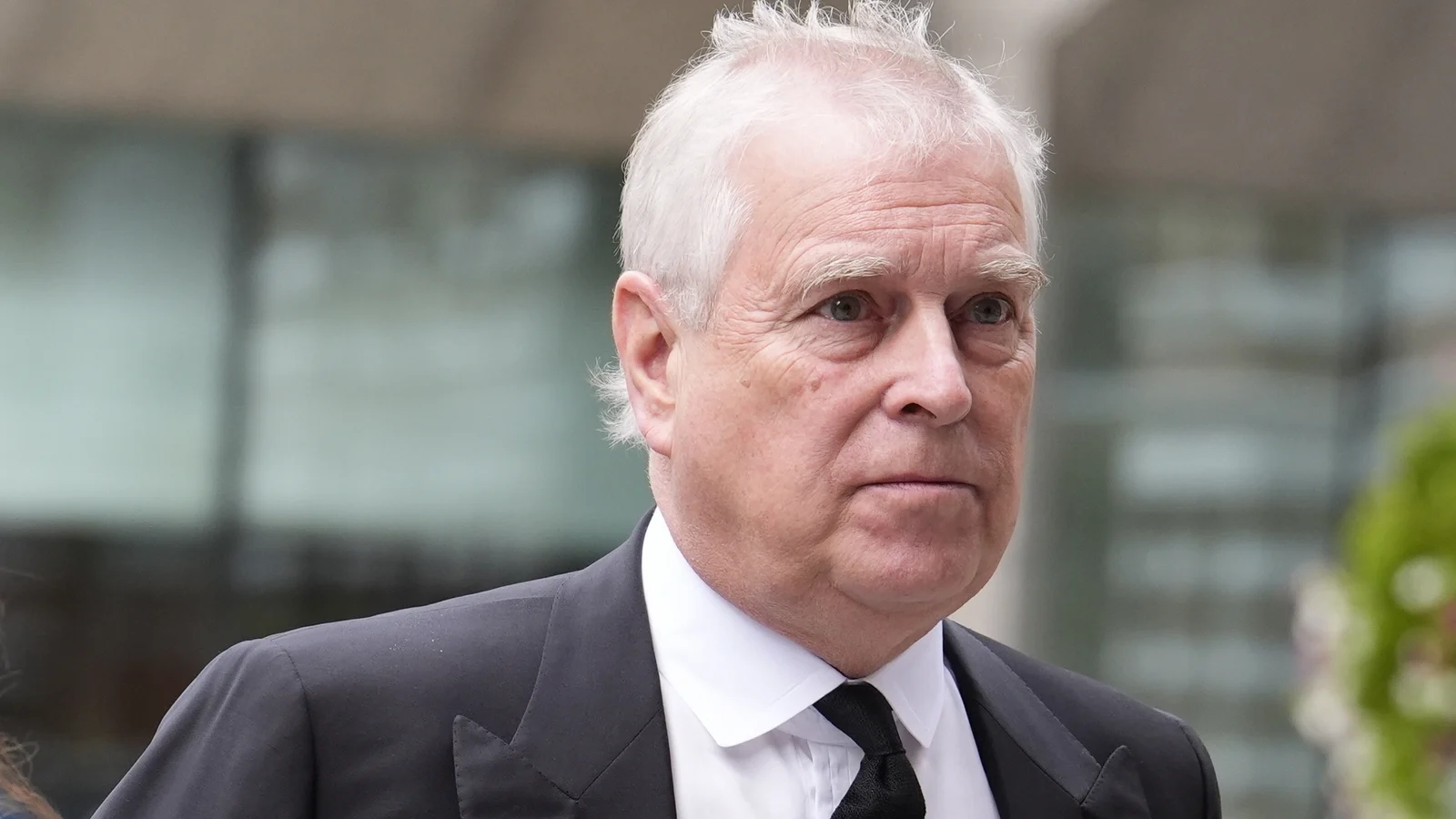
On his birthday, Andrew Mountbatten-Windsor was taken into custody following a complaint from Republic, the anti-monarchy campaign group, which asked police to examine records from the recent tranche of files released by the US Department of Justice. Those documents—part of what prosecutors described as millions of pages—contain email threads and attachments that some say point to the sharing of confidential material while he was acting as a British trade envoy.
From the released material, investigators highlight emails from late 2010 in which the former prince appears to have forwarded official briefings about trade visits to Singapore, Hong Kong and Vietnam. One exchange even references “a confidential brief” concerning potential investment prospects in southern Afghanistan—at a time when British service personnel were deployed in the region.
Taken on its face, the allegation is stark: the man who represented the United Kingdom on trade missions may have passed government information to a convicted sex offender who was also, chillingly, a fixer of connections in elite circles.
Why this matters: misconduct in public office
It’s a legal accusation with teeth. The charge under scrutiny is misconduct in public office—a common-law offence in England and Wales that, according to the Crown Prosecution Service, targets “serious wilful abuse or neglect of the power or responsibilities of the public office held.” Conviction can carry a maximum sentence of life imprisonment; in practice, sentences vary widely, but the severity underscores how seriously the state treats breaches of trust.
“This isn’t just about an email sent in haste,” a retired Crown lawyer told me. “It’s about whether a person used the authority and access given to them by the public for private ends. That’s the core of the offence.”
Defence lawyers, and indeed those sympathetic to the palace, point to an important wrinkle: trade envoys historically operate in a loose, diplomatic gray area. They act as connectors, their work often informal, their boundaries rarely cut in stone. “Trade envoys are meant to open doors,” said a former diplomat. “They’re not civil servants with bureaucratic rulebooks taped to their desks.”
So the central legal question, if this goes any further, is not merely whether documents were shared, but whether that sharing amounted to a wilful betrayal of public trust—done knowingly, and for improper purposes.
Where this sits in the wider story
To many, the Epstein files were a prism through which decades of elite behavior refracted in ugly ways. Jeffrey Epstein’s name had already become shorthand for a system that protected the powerful and preyed upon the vulnerable. The files’ release has done something else: it drew an outline of networks that blurred the line between private influence and public duty.
“The files are not just scandal fodder,” said a campaigner from Republic. “They reveal how the powerful treated access and information as commodities. That’s corrosive to democratic accountability.”
Scenes from the streets: a monarchy in the marketplace
Outside Buckingham Palace and along the streets of central London, the reaction was a mosaic. A woman running a tea stall near St James’s told me, “People want fairness. It doesn’t matter if you’re a prince or a plumber—if you represent the state, you answer to it.” A commuter who had been among the hecklers when King Charles appeared at an engagement described a mood of impatience. “It’s not just about him,” they said. “It’s about us—why do some people seem beyond the law?”
That sentiment is not contained to Britain. Around the world, institutions once seen as impregnable face similar scrutiny. Democracies are wrestling with how to reconcile tradition with transparency. Royals, celebrities, ministers—no one is immune from the public’s growing demand that privilege not shield wrongdoing.
Possible paths forward
For now, the matter is in police hands. Arrest laws allow for someone to be held for up to 24 hours before charge or release—and longer in cases of serious suspicion. If prosecutors decide to press charges, the courtroom will shift the story into a legal arena where standards of proof and admissible evidence will be the guardrails.
- Police assessment: investigators will examine whether the documents show wilful wrongdoing.
- Prosecutors’ decision: the Crown Prosecution Service must decide whether there is sufficient evidence and whether prosecution is in the public interest.
- Public fallout: regardless of the legal outcome, the monarchy’s image and public debate about accountability will continue.
The broader ledger: trust, power and the public
What is so compelling—and worrying—about this episode is not only the alleged facts, but what they illuminate about power. Institutions endow people with influence precisely because doing so is meant to serve the public good. When that influence is redirected for private ends, the compact between citizens and their representatives fractures.
“We cannot have two sets of rules,” a university ethics professor said. “One for those who serve the public, and another for those who mix public office with private advantage.”
As you read this, perhaps in a city far removed from London, consider how your society protects or polices the people who act in its name. Are the mechanisms of oversight sufficient? Do transparency and accountability keep pace with the privileges they are meant to check?
The monarchy will attempt to let the law do its work; King Charles’s unusually personal statement, signed “Charles R,” underlined the seriousness with which the household is trying to distance itself. But statements can only do so much. The story unfolding is not simply about one man or one set of emails. It is about whether the old deference that cloaked elites will continue to hold—or whether societies will demand that duty and privilege travel together, forever linked.
There are no neat endings yet. Only questions—sharp, necessary ones—about how power is exercised, who it protects, and who holds it to account. And as this case moves from the glare of headlines into the meticulous domain of legal process, people across Britain and beyond will be watching, and judging, in ways that may reshape public life for years to come.