When Vintage Meets Volume: eBay’s $1.2 Billion Bet on Depop and the Future of Pre‑Loved Fashion
There’s a photograph that’s been doing the rounds in my inbox: a sunlit East London bedroom, a carefully curated rack of 90s windbreakers, a handwritten shop name taped to the wall. It looks like a small business. It also looks like a social feed—an aesthetic, a brand, a community. That rack, those photos and the person behind them are precisely what eBay just paid $1.2 billion to own.
In a deal announced this winter, eBay is acquiring Depop, the London-born app that turned buying second‑hand clothes into a social pastime for millions of young people. Etsy, which bought Depop for $1.62 billion five years ago, is selling the platform to eBay as it refocuses its own strategy. The handover, expected to complete in the second quarter of 2026, marks another chapter in the rapid remixing of fashion, commerce and culture.
Not Just Commerce—Culture
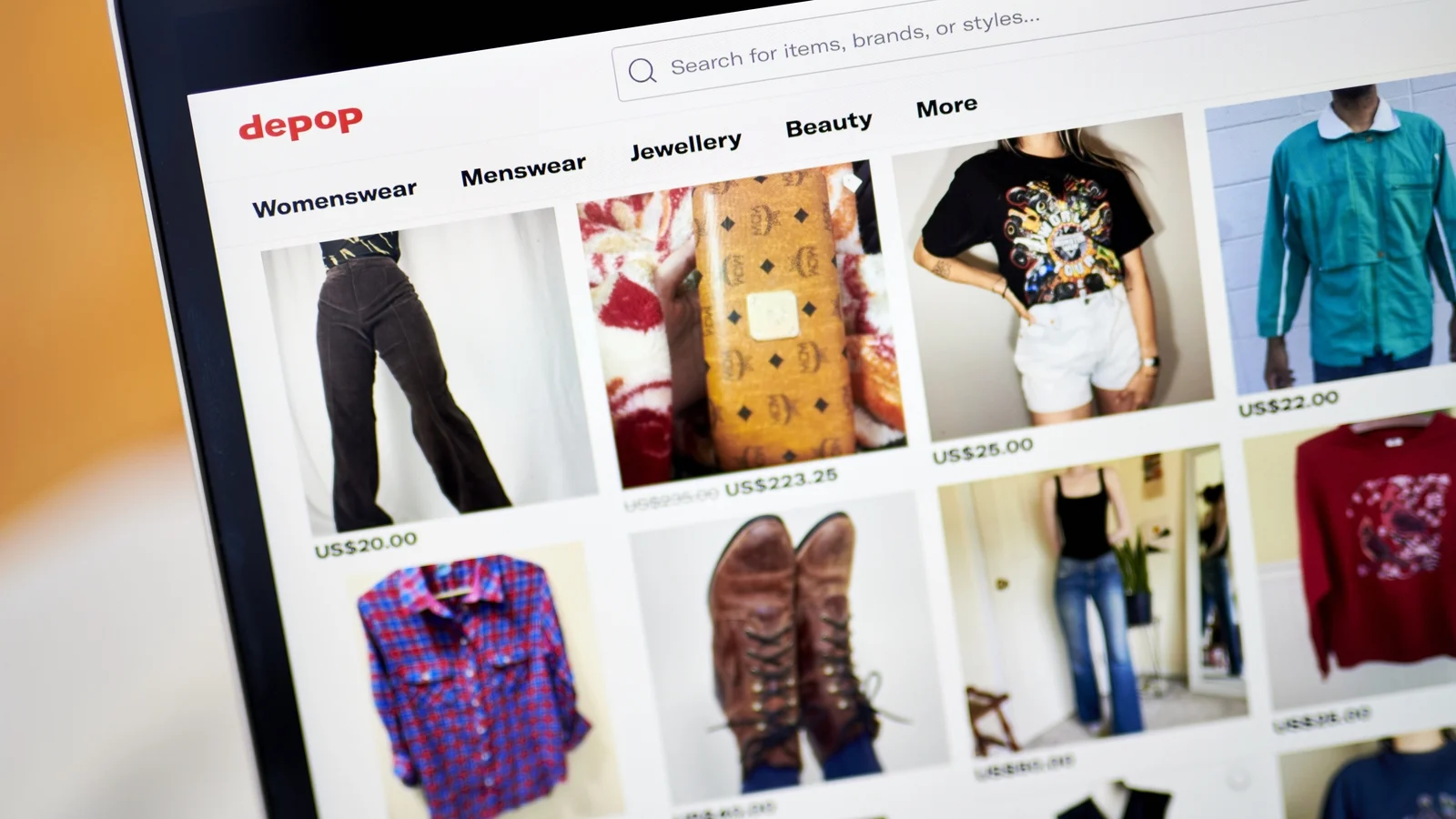
Depop isn’t a traditional marketplace; it’s a stage for identity. Founded in 2011 on a mixture of thrift, DIY ethos and Instagram-era aesthetics, it became the place where Gen Z sellers—often still students or first-time entrepreneurs—could turn closets into storefronts. By the end of last year Depop reported seven million active buyers, almost 90% of them under 34. U.S. sales surged nearly 60% over the past year alone, testament to its cross‑Atlantic pull.
“It’s not about resale, it’s about storytelling,” says Maya Nwosu, 24, who runs a Depop store from Dalston that mixes vintage Levi’s with upcycled patchwork. “When someone buys a jacket from me, they’re buying the look, the message, the ‘who I am’—and that’s not something a generic listing can give you.”
Depop’s appeal is twofold: sustainability and social currency. For many buyers the thrill is partly moral—saving garments from landfill—and partly aspirational. A jacket found on a platform like Depop carries provenance: who styled it, how it was reworked, the little comment thread under the listing where buyers and sellers exchange tips. That blend of ethics and aesthetic is exactly why eBay has been willing to pay a premium.
Why eBay?
At first glance, the acquisition might look like a corporate reunion. eBay has long been a C2C marketplace legacy player; Depop is the cool kid. The marriage promises scale and structure for Depop, and a younger audience for eBay.
“Depop has built a trusted, social‑forward marketplace with strong momentum in the pre‑loved fashion category,” said eBay’s CEO, in a statement accompanying the deal. “As part of eBay, Depop will be better positioned for long‑term growth.” The gist is clear: eBay wants Gen Z, and Gen Z wants pre‑loved fashion presented like a narrative rather than a transaction.
Industry analysts point to a broader trend. The global resale market has been accelerating, driven by a generational shift toward thrifting and a growing awareness of fashion’s environmental toll. Analysts estimate the sector will remain a major growth engine for retail over the next five years, as brands, platforms and consumers wrestle with both opportunity and responsibility.
Voices On the Ground
Not everyone greets consolidation with optimism. “I started Depop because I wanted independence,” says Leila Ortiz, a 28‑year‑old seller based in Los Angeles who builds audiences through styling videos. “If a giant like eBay takes over, I worry about fees, discoverability and whether the community vibe will get smoothed out.” Her concern is common: behind every marketplace are tens of thousands of microentrepreneurs who depend on visibility and authenticity.
There are hopeful voices too. “Scale can mean better logistics, safer payments, and more buyer protection,” says Rafael Kim, a retail analyst who has followed e-commerce for a decade. “For buyers and sellers, that could translate to more cross-border sales, faster shipping and fewer scams. The trick is preserving Depop’s cultural DNA while applying operational muscle.”
What Might Change—and What Shouldn’t
The companies say Depop will “retain its name, brand, platform and culture.” That’s reassuring, but also a delicate promise. The details matter: Will search algorithms prioritize curated feeds over sponsored posts? Will seller fees change? How will data be shared between platforms? Those are the real-world things that alter livelihoods.
- For Sellers: Expect questions about fees, fulfillment options, and discoverability. Some will gain access to eBay’s broader logistical network.
- For Buyers: Look for potential improvements in payment options, buyer protections, and international shipping—but also the risk that more commercialized listings appear in your feed.
- For the Industry: The acquisition underscores how big tech views resale not as a niche but as mainstream retail strategy; competition will intensify.
More Than Fashion: A Mirror on Consumer Values
This transaction is a prism into larger themes. Young people are shaping markets by demanding sustainability and uniqueness. Platforms are evolving from mere storefronts to cultural hubs. At the same time, consolidation raises questions about power: who controls the marketplaces that now double as communities?
“If brands and platforms don’t respect the creators and sellers who built these spaces, they risk alienating the very people who made their products desirable,” says Dr. Amina Patel, a sociologist who studies digital markets. “There’s a tension between scaling a platform and keeping it intimate. That tension will define how meaningful these marketplaces are in the long run.”
Looking Ahead: What to Watch
As the deal closes in Q2, pay attention to a few things that will reveal whether this is integration or assimilation:
- Changes to seller fee structures and promotional tools.
- New logistics and fulfillment partnerships that affect shipping times and costs.
- Product and UX updates—especially whether Depop’s social feed and community features remain central.
- How both companies communicate changes to the seller community—transparency will be crucial.
A Question for the Reader
Will scale and culture find a balance? If you buy second‑hand clothing, do you value the intimacy of a creator-run shop over the conveniences of a larger marketplace? Where do you draw the line between growth and preservation?
This acquisition is more than a financial transaction. It’s a bet on how people will shop—and on how identity and sustainability will be commodified, curated and circulated in the years to come. For the sellers hanging their latest finds in sunlit rooms and for the buyers hunting for pieces that feel like stories, the outcome matters. So does the question of what we, as consumers, are willing to trade in the name of convenience.
Whether you see eBay’s move as a savvy consolidation or a cold corporate takeover, one thing is clear: the second‑hand economy is no longer an afterthought. It’s mainstream, it’s growing, and it’s rewriting how we think about ownership, value and style.