When a Pipe Goes Silent: The Human Echo of the Druzhba Outage
There is a hush to the roads south of Budapest that wasn’t there two months ago. Petrol pumps blink, convenience-store aisles are reorganized, and a small trucking company in Szolnok has begun rationing lubricant for its fleet. It is the kind of quiet that makes people ask questions out loud: Is this temporary? Is it deliberate? Who will pay?
These are the human ripples from a gash much farther east — a strike on equipment connected to the Druzhba pipeline that has cut crude deliveries to Hungary and Slovakia since 27 January. The pipeline, one of the world’s oldest and longest arteries for Russian oil, is not just metal and welded joints; it is a lifeline woven into factories, families and political calculations across Central and Eastern Europe.
What happened, and why it can’t be fixed overnight
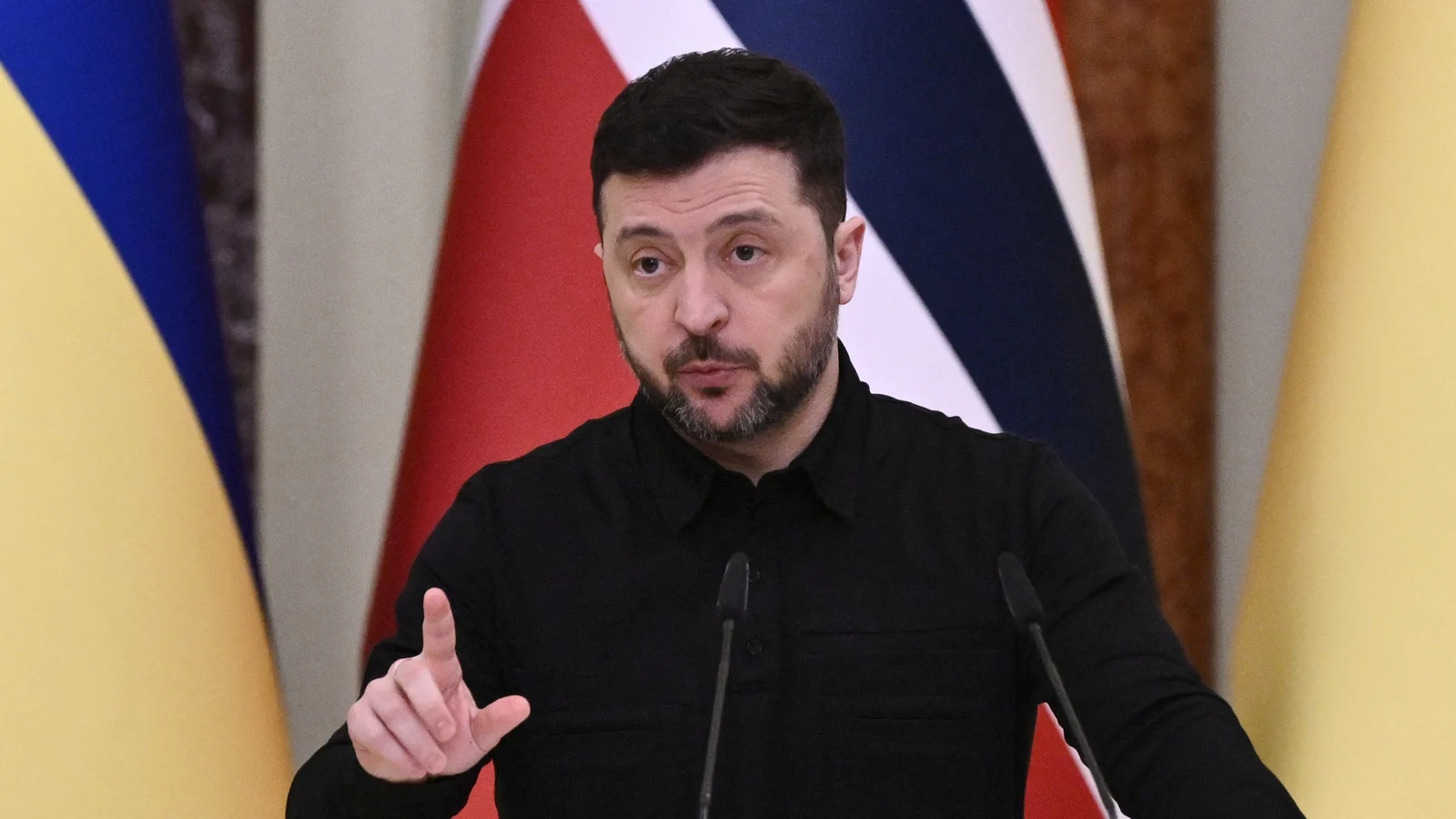
Ukrainian officials have said a Russian attack damaged infrastructure in western Ukraine that connects to the Druzhba route. Ukrainian President Volodymyr Zelensky told reporters that repairs are neither simple nor quick, noting that the pipeline had been struck more than once and that the human toll from those strikes had been grievous. “You cannot stitch this back together in a day,” he said, according to his office. “Our teams are risking their lives so Europe’s lights can stay on.”
Repairing buried and high-pressure pipeline systems requires diagnostics, replacement parts, and secure access — none of which are easy in a conflict zone. Even under peacetime conditions, pipeline outages can take weeks to repair; in wartime, they can stretch into months. Beyond the technical challenge sits the political question: who controls the site, what guarantees can be given to repair crews, and can the supply lines be insulated from further attack?
The view from the towns that run on oil
“We used to get regular deliveries on Mondays,” said Anikó Szabó, who runs a modest family petrol station on the outskirts of Szeged. “Now we get one truck every three days, if at all. People are already saving on driving. That hurts small businesses. It’s not just politics to us — it’s our rent.”
In Slovakia, a logistics manager in Bratislava who asked not to be named described frantic calls with refineries and suppliers. “We’re having to prioritize routes,” he said. “Essential services first, long-haul freight second. The economy gets erratic because of a valve or a damaged pump hundreds of kilometers away.”
Orban’s alarm and the politics of protection
Hungary’s Prime Minister Viktor Orbán has framed the shutdown differently: as a potential threat from Ukraine. He has accused Kyiv of preparing further disruption to Hungary’s energy systems and ordered soldiers and equipment to protect critical infrastructure. “We will not allow anyone to deprive Hungarian families of energy,” his office said in a statement accompanying a Facebook video in which he warned of “political” motives behind the outage.
Those moves have deep political resonance. Orbán’s government has already used its EU veto to block a large loan for Ukraine and further sanctions on Russia, citing energy and national-security concerns. With national elections looming in April, Orbán is pitching a binary choice to voters — “war or peace” — and casting himself as the bulwark against escalation.
Voices on the ground
“This is theatre for the election,” said Tamás Kovács, a political analyst in Budapest. “But that doesn’t mean the concerns aren’t real. People worry about jobs and heating bills. In Central Europe, energy policy is political theatre with direct economic consequences.”
Across the border in Slovakia, Prime Minister Ľudovít Štefan expressed frustration with Kyiv publicly, echoing Budapest’s impatience. Yet many diplomats in Brussels see a more complicated tapestry — one in which supply chains, wartime damage and diplomatic brinkmanship are tightly entwined.
Brussels, Kyiv and an uneasy choreography
European Commission President Ursula von der Leyen visited Kyiv to mark the fourth anniversary of Russia’s large-scale invasion and to press Ukrainian authorities to expedite repairs to the pipeline. Zelensky pushed back, reminding diplomats that the infrastructure had been attacked before and that personnel had been hurt trying to fix it.
“We asked Ukraine to speed up repairs,” Ms von der Leyen said in Kyiv. “But speed must not come at the cost of safety or security assurances.” The exchange underscored a strain in the EU’s solidarity: member states can feel the immediacy of supply shocks, while Kyiv feels the blunt force of a war that continues to reach into civilian infrastructure.
Another strike, another escalation: Dorogobuzh
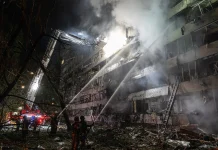
Against this already tense backdrop came reports from Russia that a Ukrainian drone struck a fertiliser plant near Dorogobuzh in the Smolensk region, about 290km from the border. Russian officials said seven people were killed and ten wounded; images circulating online showed a plant shrouded in night smoke, though those images were not independently verified at the time.
Russian authorities described the target as a civilian nitrogen-fertiliser facility. Kyiv’s military sources said they had used drones in operations targeting logistics and military-related infrastructure but did not immediately confirm responsibility for this specific plant. In an information war where every incident is quickly weaponised, facts can be slippery and the human costs stark.
Why this matters beyond pipelines and politics
Ask yourself: how would your life change if the energy that keeps your home warm or your factory running suddenly became uncertain? The Druzhba outage is more than a headline about geopolitics. It’s a doorway into questions about energy dependencies, regional resilience, and how democracies manage dissent — and fear — when the stakes are simply survival.
Some broader truths are emerging. First, dependence on single-source energy chains remains a glaring vulnerability for many countries. Second, infrastructure in and near conflict zones is increasingly weaponised. Third, domestic politics can turn practical supply problems into leverage for electoral advantage.
Paths forward — a brief checklist
- Short-term: prioritize transparent communication with consumers and targeted state support for vulnerable industries.
- Medium-term: accelerate diversification of supply routes and emergency stockpiles for critical fuels.
- Long-term: invest in resilient energy systems — from renewables to decentralized storage — to reduce leverage by external actors.
What comes next?
There are no tidy endings here. Repairs will take time, voices will grow louder, and the political calendar will add pressure. Yet in petrol stations and municipal warehouses, in offices and factories, people will keep making choices: to conserve, to protest, to vote, to adapt.
“We survived rationing in the 1990s,” mused an older trucker in Košice, Slovakia, as he waited to refuel. “You learn to be stubborn and clever.” His wry smile was not triumphalist so much as weary hope. It is an attitude that matters: when pipelines are damaged, the social fabric is tested, and the way communities patch themselves back together becomes the measure of resilience.
So where do you stand in this story? Are you prepared for a world where energy is not just commodity but leverage? And what responsibility do we — as consumers, citizens and voters — hold when the pipes that bind nations together become targets in a larger, dangerous game?