Denmark at a Crossroads: An Election Called as the Arctic Turns Hot
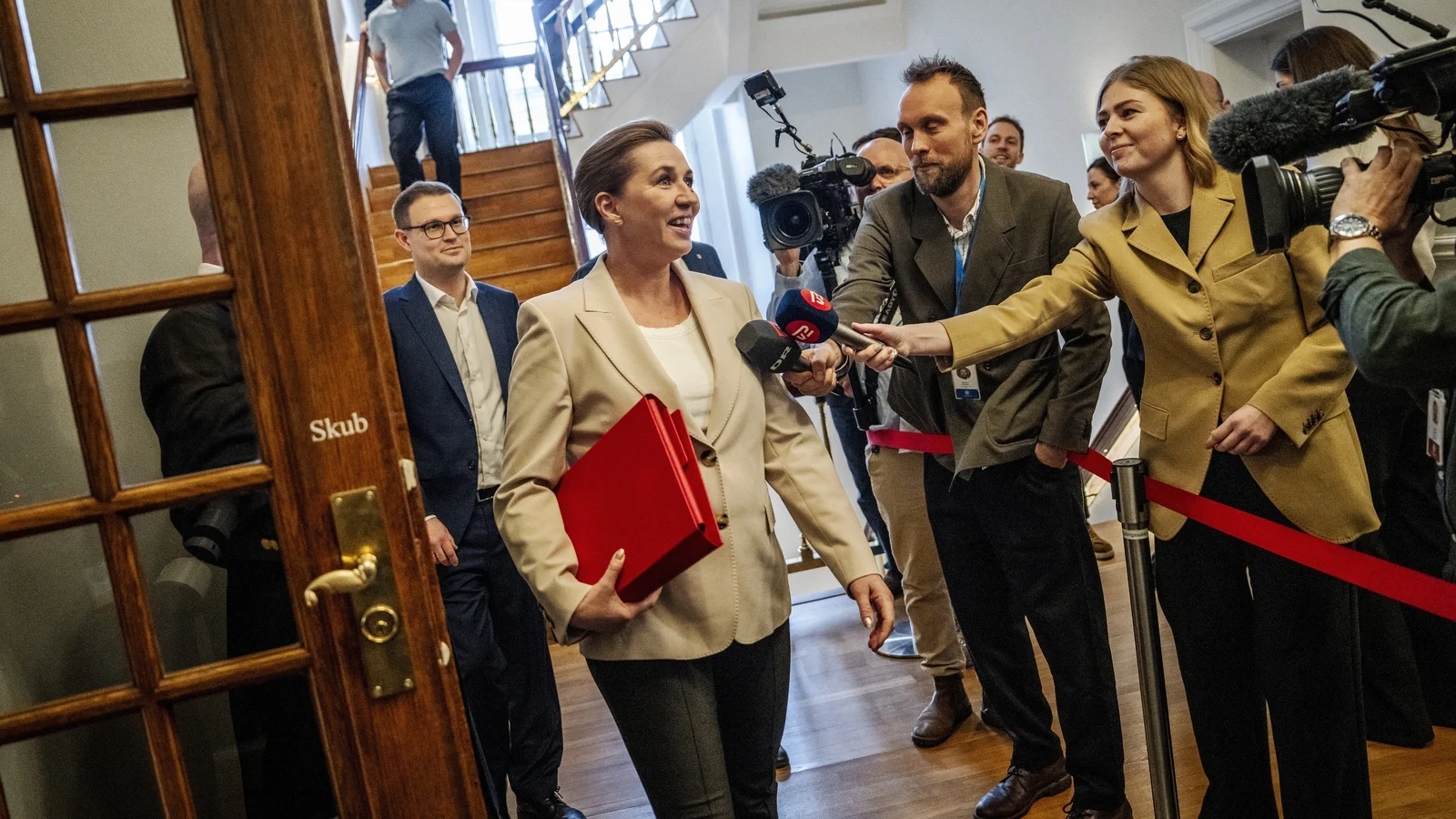
On an overcast morning in Copenhagen, where bicycles outnumber cars and the smell of freshly baked rye bread hangs in the air, Denmark’s prime minister stepped onto the steps of Christiansborg and announced what many here had been bracing for: a general election on 24 March. The declaration was crisp, parliamentary in formality, but it landed amid a geopolitical storm that stretches from the cobbled streets of the capital to the windswept ice fjords of Greenland.
“This is a moment to ask the people what kind of Denmark we want to be,” said Mette Frederiksen, her voice measured but unmistakably intent. Frederiksen—once Denmark’s youngest prime minister, raised in a Social Democratic household by a typesetter and a childcare assistant—has come to embody a paradox: socially rooted yet militarily resolute; compassionate at home and uncompromising on security abroad.
Why Now? The Clock, the Law and the Compass of Foreign Policy
Under Denmark’s constitution, an election must be held within four years of the last one—so the calendar alone made a 2026 vote inevitable. But the timing also carries political calculation. Frederiksen folded her announcement into a platform that leans hard into two subjects likely to matter to voters: security and redistribution. She proposed reforming the retirement age and introducing a wealth tax while pledging to deepen Denmark’s defense posture against renewed Russian assertiveness.
“Security policy will remain at the heart of Danish politics for years,” she told reporters, framing the vote as a referendum on Copenhagen’s role in a changing Europe. The language was no accident: Denmark has been one of Kyiv’s staunchest supporters since Russia’s full-scale invasion of Ukraine, providing military equipment, humanitarian aid and vocal diplomatic backing.
Arctic Tensions: Greenland, Geopolitics and Personal Pride
At the heart of the diplomatic turbulence lies Greenland—an autonomous nation of roughly 56,000 people, whose ice-carved coastlines and strategic location have long drawn global attention. The saga that began with an extraordinary 2019 overture from then-US President Donald Trump—in which he floated buying Greenland—has simmered and flared, leaving a residue of mistrust.
“Greenlanders are not a piece of real estate,” sighed Aviaja, a Greenlandic schoolteacher I met in Nuuk. “We make decisions about our future.”
Washington’s renewed interest in Greenland has been framed as a matter of security: proximity to the North American continent, potential air bases, and new sea lanes as the Arctic warms. NATO’s response—an initiative called Arctic Sentry—aims to bolster allied presence in the high north. Denmark, which retains responsibility for Greenland’s foreign affairs, has insisted that any decisions about the island’s future must involve Greenlanders themselves.
The deeper concern for many Danes is this: how do you defend sovereignty and regional influence when your closest ally behaves unpredictably? Frederiksen hinted that Denmark must “stand on our own feet,” suggesting Copenhagen will seek to redefine aspects of its relationship with Washington without severing the alliance.
Domestic Politics: Polls, Losses and an Unsettled Electorate
Domestically, Frederiksen’s Social Democrats enter the campaign bruised. The party’s fortunes have waned since 2022, when it secured a plurality in the general election. Local and European election results last year were unkind: the Social Democrats lost nearly half the municipalities it once controlled, including Copenhagen—closing a century-long chapter of municipal dominance.
A recent TV2 poll placed the party at 21 percent—some 6.5 percentage points down from its 2022 general-election result of roughly 27.5 percent. “Numbers matter,” said political analyst Katrine Holm. “But narratives matter too. Security gives the Social Democrats a theme they can own. Whether that will be enough is another question.”
Not everyone was thrilled about the sudden campaign. Lars Løkke Rasmussen, leader of the coalition partner the Moderates, hinted at reluctance. “If it were up to us, we would have waited,” he told reporters, a terse reminder that coalitions are often marriages of convenience rather than romance.
The Platform: Guns, Gold and the Social Contract
Frederiksen’s sketch of a platform blends two currents that define contemporary Danish politics: muscular security policy and renewed attention to social fairness. She proposed a wealth tax aimed at funding welfare measures and signaled readiness to reform retirement rules in response to demographic shifts.
“We must protect our country and care for the many, not just the few,” said a municipal worker in Aarhus, who preferred not to give her name. “That’s a message that still resonates in neighbourhoods where people depend on public services.”
Beyond rhetoric, the broader region is moving: since 2022, many NATO members have increased defense budgets and committed to meeting the alliance’s 2 percent of GDP guideline. Denmark has contributed significantly to Ukraine relative to its size—sending ammunition, specialized equipment and financial support—and has signaled sustained investment in capability-building.
Voices from the North: Greenlanders Weigh In
Travel to Greenland and the abstract becomes visceral. At a fish market in Ilulissat, where wind gnaws at fishermen’s faces and enormous icebergs calve into the sea, locals speak of sovereignty in terms of livelihood. “Our fisheries sustain us,” said a fisherman, his hands knotted by years of work. “We decide how to manage those waters.”
Greenlandic leaders have been plain: meddling from overseas is unacceptable. The island’s 2009 Self-Government Act devolved many powers to Nuuk, and many Greenlanders view new diplomatic overtures with skepticism. There is also pride—an insistence that Greenland’s future must be charted by Greenlanders.
What This Election Means for Europe and the World
Small states often feel big-world tremors more acutely. Denmark’s vote will not only decide domestic policy; it will send a message about how Europe intends to navigate a more fractured transatlantic relationship, a warming Arctic, and an era of renewed great-power competition.
Ask yourself: when allies disagree, who sets the terms? When strategic geography collides with local identity, which wins? The Danish contest is a vivid reminder that in our interconnected age, local ballots can reverberate through capitals from Washington to Brussels to Nuuk.
- Election date: 24 March 2026
- Denmark population: ~5.9 million
- Greenland population: ~56,000
- Recent poll (TV2): Social Democrats at ~21% (a drop of ~6.5 percentage points from 2022)
- Key issues: security and rearmament, retirement age reform, proposed wealth tax, Greenland’s future
Looking Ahead: A Small Nation’s Big Questions
On election day, Danes will cycle to polling stations, possibly pausing for a last cup of coffee—hygge in miniature—and consider whether they want a steady hand, a sharper rearmament, or a different social contract. Whatever the result, the contest will reflect a nation wrestling with its identity: protector of liberal values, pragmatic security actor, and guardian of northern lands that feel both remote and central to global strategy.
Will Denmark choose continuity or change? Will Greenland’s voice be amplified or sidelined? And how will Europe respond if alliances fray under pressure? These are not abstract questions. They matter to fishermen in Ilulissat, parents in Odense, and soldiers training on the ranges outside Aalborg. They matter to the West’s idea of solidarity in an uncertain century.
When the ballots are counted, the outcome will be a thermometer for a region in flux—a test of whether Denmark can reconcile the old social contract with urgent new demands from geopolitics. For now, Copenhagen’s streets hum with debate. The fjords are quiet, but the questions they inspire are anything but.