A New Chapter in a Long, Bitter Story: Weinstein’s Retrial Set to Begin
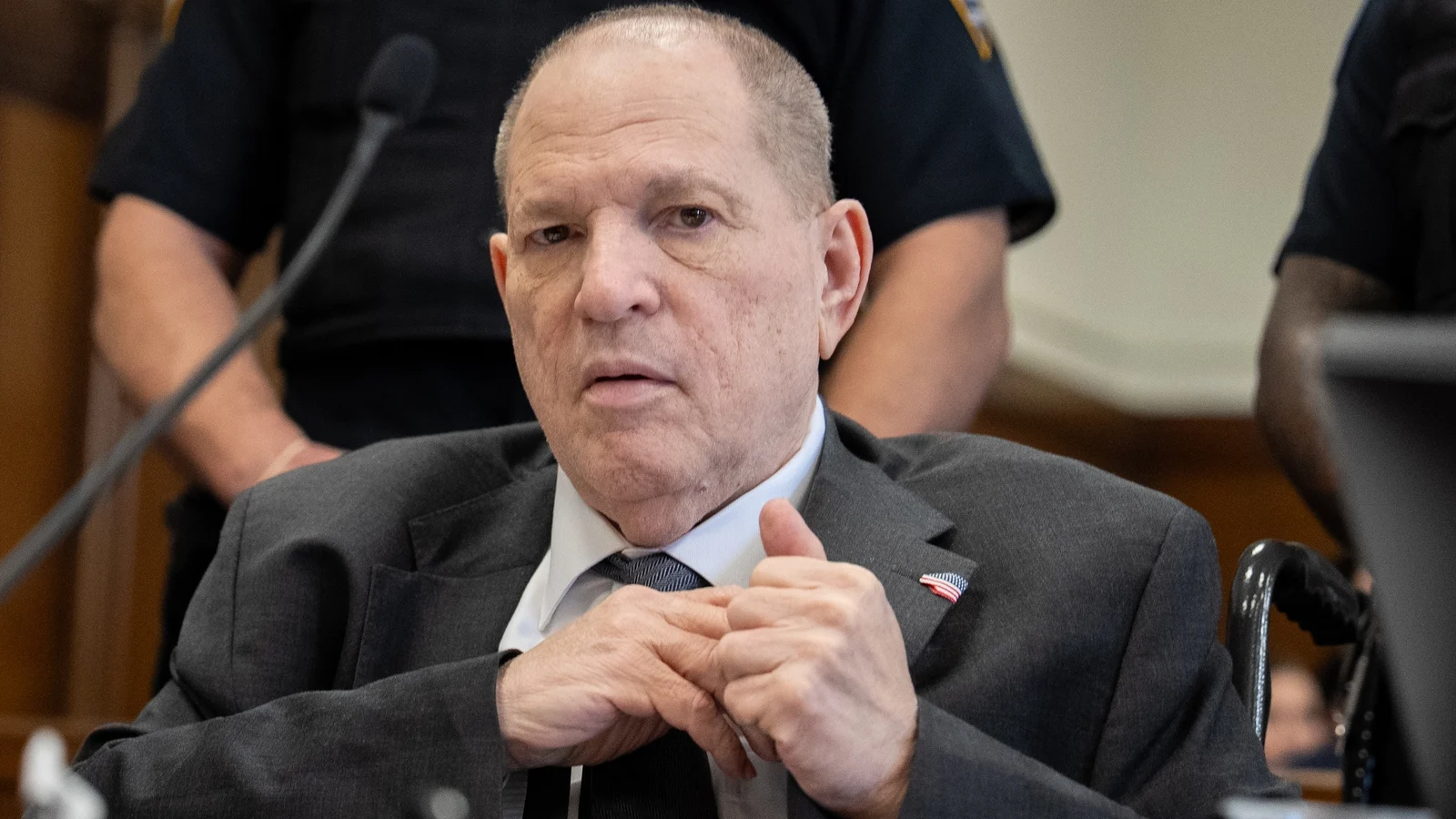
There are moments when the swirl of headlines and courtroom drama crystallizes into something raw and human: a woman clutching a tissue in the gallery, a juror stepping away in disbelief, a city that once worshiped glamour now watching a former titan of film shuffle into court in a wheelchair. That is the scene that returns with fresh urgency this spring, as disgraced film executive Harvey Weinstein prepares to face a retrial beginning 14 April on a rape charge that a previous jury could not resolve.
It is easy to imagine the courtroom hush. It is harder to imagine how many hands—on cups of coffee, on phone screens, on placards of protest—have been raised and lowered since the allegations first exploded into public view in 2017. For many, the retrial will be another chapter in a saga that became shorthand for power abused, careers ruined, and a movement that changed the world of work and culture: MeToo.
The case, in brief
The retrial centers on an allegation by a woman identified in court records as Jessica Mann. Prosecutors are seeking to try Weinstein for third-degree rape on that count after a jury in an earlier trial deadlocked on the matter. That previous trial itself had been a patchwork of legal proceedings; a judge declared a mistrial when the jury foreperson refused to return to the deliberation room following a bitter dispute among jurors.
In the same set of proceedings, jurors in June found Weinstein guilty of sexual assault against Miriam Haley and acquitted him on another charge brought by Kaja Sokola. The conviction on the Haley charge remains one of the rare moments of legal vindication for a survivor whose complaint helped light the fuse under what became a global reckoning.
What his camp says
Juda Engelmayer, Weinstein’s publicist, pushed back against the portrait of guilt on the Mann charge. “Each time prosecutors have asked a jury to convict Harvey Weinstein on this allegation, they have come up short of a unanimous decision,” Engelmayer said, and added, “Mr. Weinstein has always maintained that the relationship was consensual, and we look forward to presenting the evidence again.”
Those words land differently depending on who is listening: for supporters of the accusers, they are a familiar refrain about reasonable doubt; for Weinstein’s few remaining defenders, they are a shield against what they call prosecutorial overreach.
Beyond one courtroom: the human toll and the movement it fed
“It’s not just about one man,” said Lila Navarro, a survivor and activist who has been organizing support groups for women in the entertainment industry since 2018. “It’s about the ecosystem that let him thrive for so long. We remember the names, but we need to change the system.”
The MeToo movement—which surged in 2017 after investigative reporting and a cascade of allegations—did more than name individuals. It pushed industries from Hollywood to finance and technology to confront how power shapes opportunity and vulnerability. More than 80 women publicly accused Weinstein of sexual misconduct in the wake of the initial revelations, an avalanche that helped spark conversations about consent, mentorship, and gatekeeping.
Yet the legal road has been anything but clean. Weinstein, 73 and reported to be in poor health and wheelchair-bound, is already in custody on a separate conviction arising from a California case involving a European actress. The patchwork of charges, convictions, appeals, and retrials highlights how sexual violence cases can fragment across jurisdictions and years, wearing down survivors and witnesses as much as defendants.
A jury system strained
When a jury refuses to deliberate, when a lone juror can halt a process, it exposes the fault lines of a system designed to protect against wrongful conviction while sometimes frustrating attempts at accountability. “The jury system is a blunt instrument for truth,” said an experienced defense attorney who asked not to be named. “You’re asking twelve people—none of whom are legal experts—to sift through competing stories, memories, and motives.”
Conversely, a former prosecutor observed, “High-profile sexual assault trials have layers of complexity—trauma affects memory, relationships are messy, and public pressure can be crushing. That’s why every retrial is a chance to reframe evidence, for better or worse.”
Local color: the city of lights and aftershocks
Walk near the theaters and production offices where Weinstein once wielded influence, and you see more than fading billboards. There are coffee shops where assistants once took calls; there are casting offices still staffed by people who say they learned to be more protective of new talent. A script consultant at a small studio laughed, then grew serious: “We used to joke about the casting couch as if it were part of folklore. No one jokes about it now.”
At a neighborhood bakery not far from the courthouse, the owner—who asked to be identified only as Marco—said customers are divided. “Some say let the law run its course,” he told me, icing a cake. “Others say the man paid. Either way, the trauma is real.”
The bigger picture: justice, memory, and cultural change
What does a retrial mean in a world where social movements and courts speak different languages? For some survivors, it’s a second chance at the kind of legal recognition that can feel validating; for others, it’s another painful extension of public scrutiny.
Statistics about how sexual assault cases progress through the justice system are sobering: complaints are often underreported, prosecutions are rarer still, and convictions can be overturned on procedural grounds. Weinstein’s 2020 conviction was overturned in 2024 by an appeals court that cited irregularities in how witnesses were presented—an outcome that left many activists bruised and the legal community debating the boundaries between fair trial protections and accountability.
“We have to ask tougher questions about how institutions respond when allegations appear,” said Dr. Aisha Thompson, a sociologist who studies workplace power dynamics. “Law gets us a partial answer. Culture gets us the other part.”
Questions for readers
As the retrial approaches, what do you want justice to look like? Is it purely legal—an impartial weighing of evidence—or does it include reputational, institutional, and restorative elements? How do we balance the presumption of innocence with the imperative to believe and support survivors?
These are not hypothetical questions. They shape how workplaces are policed, how young people think about mentorship, and how society decides who gets to be forgiven—and who does not.
Final thoughts
A retrial beginning on 14 April is more than another calendar date. It is a moment of ritual in a long public drama: opening statements, witness testimony, the quiet of a jury room. But it is also a pause, an invitation to reflect on what has changed—and what still needs to.
Whether you follow the case for legal curiosity, for solidarity with survivors, or simply because this story still refuses to let us turn the page, remember that behind every headline are people: those who accuse, those who are accused, the jurors who bear weighty decisions, and communities trying to make sense of it all.