When a Tweet Paused the Guns: Islamabad’s Tentative Breath Between Bombs
Late one humid evening, as the lamps of Islamabad’s diplomatic quarter bleached the streets with a ghostly light, a short message from the White House rippled across the world and briefly quieted the rumble of war.
“We will hold our attack on the country of Iran until such time as their leaders … can come up with a unified proposal,” the message read, posted by President Donald Trump on social media. It was simple. It was stunning. It was also, for many, profoundly confusing.
The pause was framed as a favor to Pakistani mediators who have been quietly hosting rounds of talks in the city for weeks — a neutral carpet beneath boots and rhetoric. Pakistan’s leaders, diplomats say, have opened Parliament halls and state-owned guest houses to delegations that otherwise might never meet face to face. “We wanted a place where people could sit without cameras and try to find common ground,” said a Pakistani official involved in the talks, speaking on condition of anonymity to preserve negotiations.
A ceasefire — but not peace
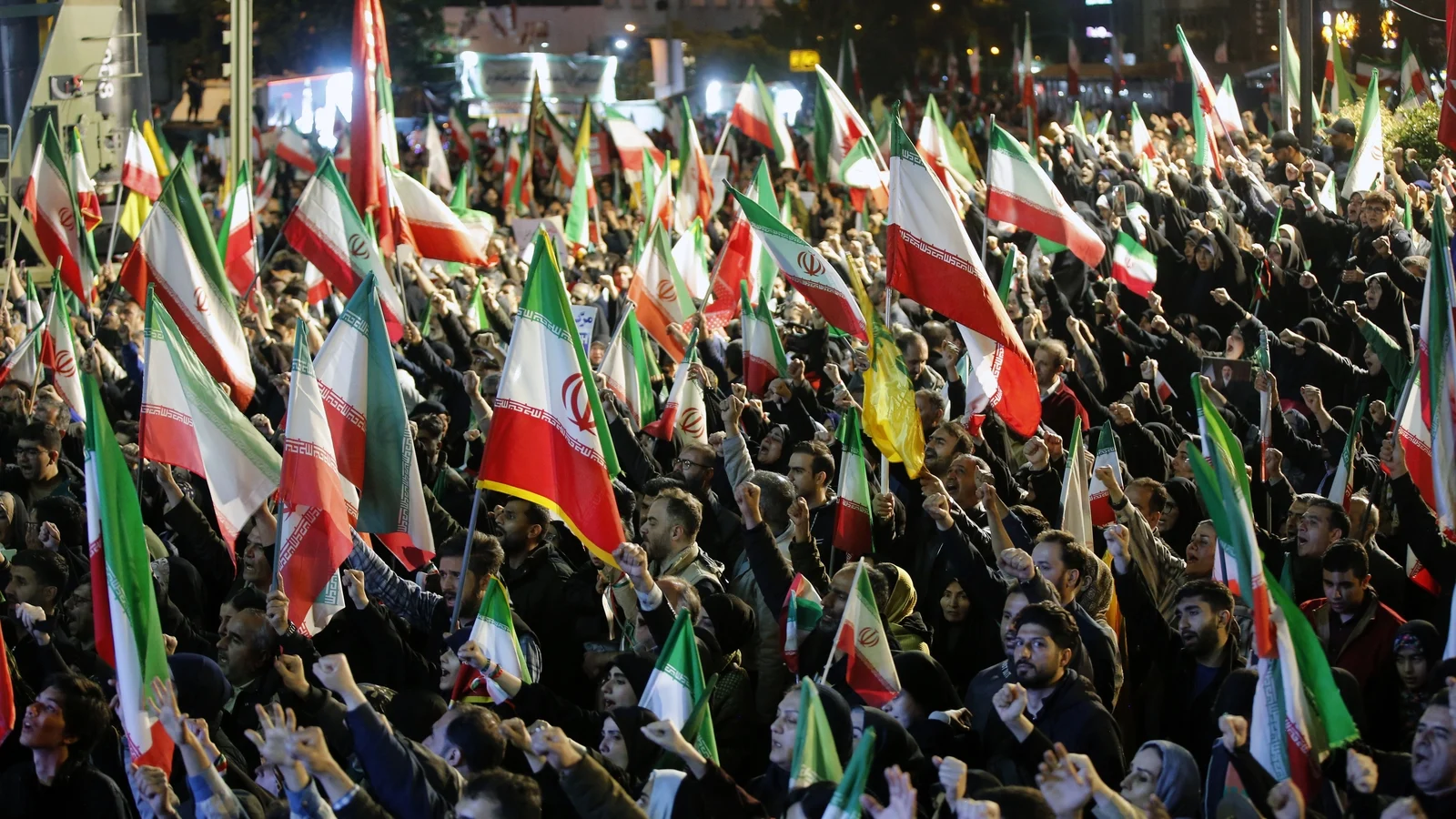
On the surface, the breath-hold was hopeful. More than 5,000 civilians have died across the region, aid agencies estimate, and hundreds of thousands have been displaced — most of them in Iran and Lebanon. Entire neighborhoods in southern Lebanon lie in rubble; in Tehran, markets that once buzzed with bargaining are quieter, the chatter replaced by the nervous click of calculators as shopkeepers tally their losses.
Yet the pause is partial. The White House made clear that while offensive air strikes would be delayed, the US Navy’s blockade of Iranian shipping would continue — an act Iran calls tantamount to war. “You can call it a ceasefire, but a blockade is still a squeeze,” said Leyla Farzaneh, a merchant in Bandar Abbas who ships dates and spices. “We can’t feed our families if the ports don’t move.”
Within hours, reactions ranged from hopeful to skeptical. Tasnim News Agency — which has ties to Iran’s Revolutionary Guard — denied that Tehran had requested a ceasefire extension and threatened to challenge the blockade by force. An adviser to Mohammad Baqer Qalibaf, Iran’s parliamentary speaker and lead negotiator at the Islamabad talks, dismissed the announcement as a show. “Words can be wind. We will judge actions,” he told reporters.
Rhetoric and reality
The man who announced the pause has been a study in contrasts during this crisis. Within a fortnight earlier, he issued an expletive-laced threat warning that “a whole civilisation will die tonight” if attacks escalated. At other moments he has sounded like a peacemaker anxious to stem market panic and human suffering. That swing between apocalyptic threat and diplomatic moderation has left allies confused and markets jittery.
“When the President speaks in extremes, it disrupts both diplomacy and markets,” said Dr. Miriam Alvarez, a senior analyst at the Center for Global Security. “Investors hate uncertainty, and populations under threat suffer needless psychological tolls.”
On the Ground: Stories from the Edges
In southern Lebanon, the scars of the war are visible in every bent rebar and in the somber faces of residents returning to partially standing walls. A Lebanese government tally puts civilian deaths there at 2,454 since the conflict began; local hospitals report overwhelmed wards and shortages of basic medicines.
“They said ‘do not return,’ but how can you leave your home if there is nothing to go to?” asked Hassan Khalil, a farmer who came back to inspect a garden of olive trees scorched by shell fire. “You stand looking at what used to be your life.”
Hezbollah has played a role that pushed Lebanon into a wider confrontation — firing rockets and engaging Israeli forces — and even under a tentative truce, sporadic exchanges continue. In the north, Israeli forces reported striking the launch points of rockets aimed at their troops; Hezbollah reported counterstrikes. Civilians remain the collateral damage.
The economic chokehold
Beyond lives, the conflict has choked open arteries of the global economy. The Strait of Hormuz — the strategic waterway between Iran and Oman through which a significant portion of the world’s oil flows — has seen near-total closures at times during the crisis. Markets reacted: oil prices spiked and, for a time, threatened to tip fragile economies toward recession.
After the announcement from Washington, US stock futures climbed, the dollar wavered, and oil eased from some of its highs. Still, analysts warn that a fragile calm can collapse suddenly. “Supply chains are not like a tap you can turn on and off — the longer the disruption, the longer the ripple effects,” said Arun Bedi, an economist at a London think tank. “Small businesses and consumers pay the highest price.”
What’s Next? Negotiations, Distrust, and the Weight of Words
There is a practical question: Will Iran and Israel, the two bitter opponents at the heart of this crisis, accept this unilateral extension? So far, Israel has not publicly agreed. Tehran’s official responses have been cautious and tinged with suspicion. “This may be a tactical delay, not a genuine road to peace,” one Tehran-based diplomat said.
Meanwhile, Washington and Islamabad are arranging the next steps. Israel and Lebanon — technically enemies without diplomatic channels — were set to meet in Washington to negotiate their own truce terms, with Hezbollah’s role also in the mix. Ten-day local ceasefires have held in some places but been punctured elsewhere.
United Nations Secretary-General António Guterres and international legal scholars have condemned talk of targeting civilian infrastructure, reminding leaders that international humanitarian law bars attacks on non-military targets. “Bombing power plants and bridges will not win wars,” a UN official told correspondents. “It will only deepen suffering and sow longer-term instability.”
Reflections for a global audience
As you read this, consider the ordinary lives that hinge on these strategic decisions. An extended blockade means a fisherman in Bushehr cannot launch his boat. A shelled grocery store in southern Lebanon means a family in Beirut pays more for bread. Stock traders may breathe easier for a day, but the human cost lingers.
Is it enough to pause an attack while maintaining a chokehold? Can dialogue flourish under the shadow of blockades and threats? Those are not just diplomatic niceties — they are ethical questions about how the world chooses to value civilian life and economic stability over strategic advantage.
For now, Islamabad’s guest rooms remain occupied, negotiators keep talking, and the world waits. The pause is real in its immediate effect, fragile in its guarantee. If history teaches us anything, it is that the spaces between bullets — the conversations, the small acts of humanity — are where peace either takes root or withers away.
“We are tired of speaking in warnings and starting again,” said Amina Rehman, a Pakistani aid worker near the talks. “If this break becomes a beginning, it will be because people agreed to be brave enough to face one another, not because they were afraid of a single tweet.”