Lebanon After the Strike: A City of Rubble, a Nation on Edge
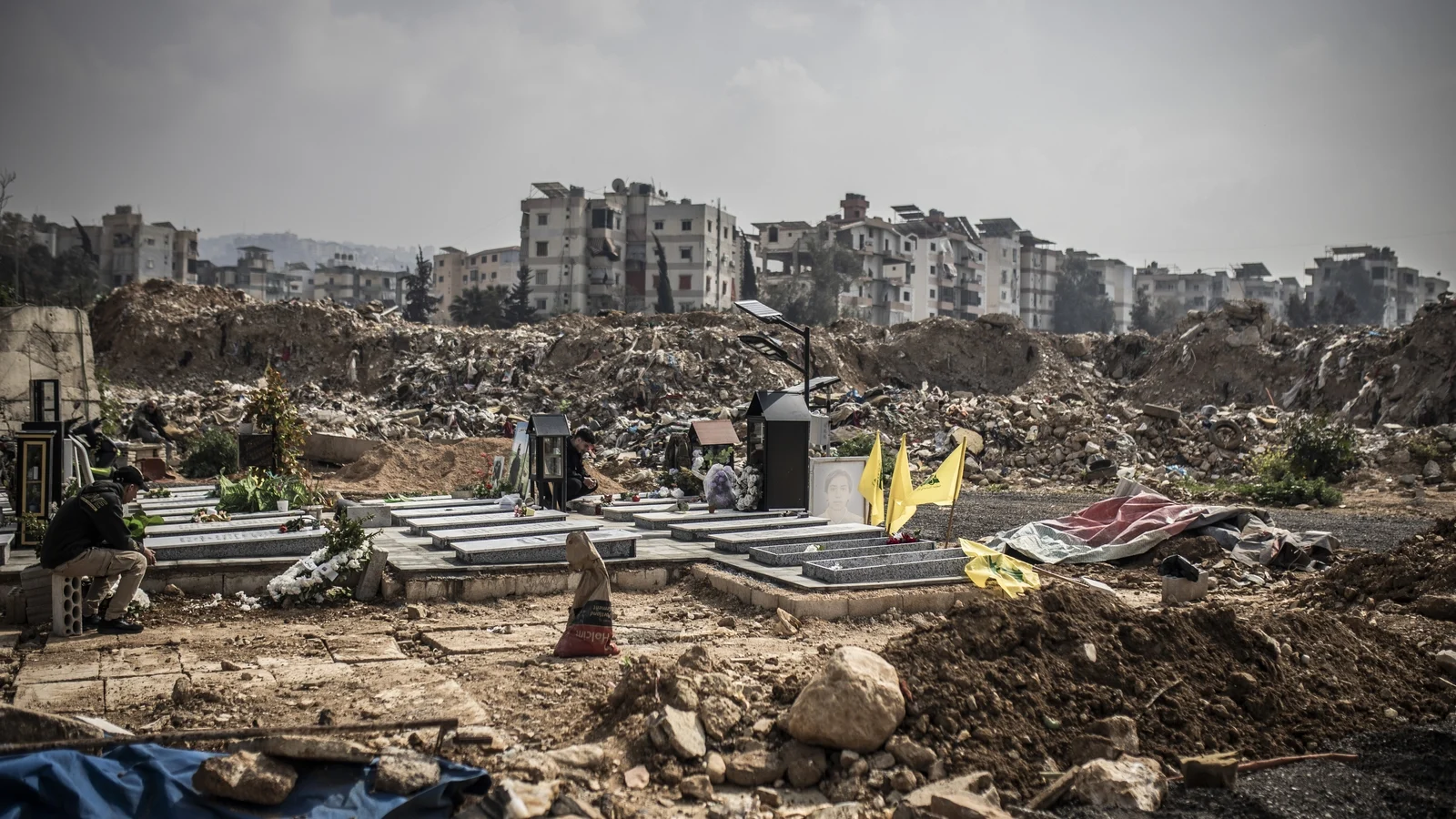
There is a smell you cannot forget — diesel and dust, and something deeper, metallic and final, that clings to the air after buildings fall. In central Beirut, where once the morning chatter of shopkeepers and the clink of tea glasses threaded through narrow streets, a ten-storey block now lies in a skeletal heap. Neighbours pick through the wreckage with bare hands, looking for family photos, identity cards, the small things that make a life real.
“We woke up to a sound like the world breaking,” said Samira, 47, whose husband worked two blocks from where the Ahmad Abass Building collapsed in Bachoura. “We thought it was thunder. Then we saw smoke, and we knew.” Her voice goes low. “My daughter is missing her school. She keeps asking if home will ever feel safe again.”
Counting the Cost
The numbers that officials release each morning are clinical but devastating in their cumulative force. Lebanon’s health ministry reports that Israeli strikes since 2 March have killed 1,001 people — including 79 women, 118 children and 40 health workers — and wounded 2,584 more.
- Deaths: 1,001 (since 2 March)
- Wounded: 2,584
- Women: 79
- Children: 118
- Health workers: 40
- Displaced: Approximately 1,000,000 people across Lebanon
These are not abstract figures. They are the names called at hospitals, the extra stretchers arriving in emergency rooms, the mothers covered in flour from trying to bake bread because the shops are closed. One million people displaced — a staggering number in a country of about six million — speaks to a crisis that has reshaped communities overnight.
Bridges, Borders and the Looming Line of the Litani
Southern Lebanon has been clipped from the rest of the country in recent days as warplanes began striking bridges over the Litani River — the faint green artery that draws a ribbon across the map roughly 30 kilometres north of Israel. State media reported at least two bridges destroyed. Lebanese officials say the strikes were aimed at preventing Hezbollah from moving fighters and weapons; the Israeli military said it had warned residents to leave the south.
For many on the ground, the destruction of bridges is more than a tactical move: it is a shuttering of daily life and lifelines. “That bridge was how my children went to school, how my mother reached the clinic,” said Khaled, a farmer from the town of Bint Jbeil, standing with a blanket slung around his shoulders. “Now we are islands.”
The possibility that this is a prelude to a larger ground operation haunts conversations. An Israeli officer involved in operations in Lebanon said troops were “prepared to do all kinds of operations” if ordered to establish positions as far north as the Litani. In a country already reeling, that would deepen the wounds.
On the Frontlines of Journalism
War creates its own reporters. It also targets them. Russia accused Israel of deliberately striking a crew from RT who were reporting in southern Lebanon; its spokeswoman, Maria Zakharova, said, “The crew’s clothing clearly read ‘press’ and they were carrying only cameras and microphones… All these circumstances indicate that the attack on the journalists was deliberate and targeted.”
RT reporter Steve Sweeney, who was wounded along with his cameraman while covering a destroyed bridge, posted that both had been treated in hospital. “It was a deliberate and targeted attack on journalists from an Israeli fighter jet,” he wrote. The Israeli military countered that the crew had been operating in an area where civilians had been warned to leave.
Journalists in Lebanon — local and foreign — speak of a new, brittle calculus: how to bear witness without becoming the story. “You think you’re invulnerable because you’re wearing a vest that says ‘PRESS,'” said Leyla Haddad, a Beirut-based photojournalist. “Then you realize there is no guarantee here, only quick exits and prayers.”
Infrastructure Under Fire
Beyond homes and people, basic services are being eroded. Lebanon’s state electricity company announced that a major substation in Bint Jbeil was put out of service by strikes, hampering power for the town and surrounding areas. Hospitals — already strained — face intermittent electricity and shortages of supplies. Water pumps and roads damaged by the bombing mean that even getting food and medicine into affected zones becomes a complicated, risky endeavour.
“You can rebuild a wall,” said Rami, an engineer volunteering with a local NGO, “but you cannot rebuild trust, or the kitchen table where children do their homework. Infrastructure is an olive tree — it takes years to grow, seconds to destroy.”
Humanitarian Responses and Political Ripples
As Beirut reels, countries are shifting aid and messages. France announced it would double humanitarian assistance to Lebanon, bringing it to €17 million, Foreign Minister Jean-Noel Barrot declared during a visit to Beirut as part of peacemaking efforts. Jean-Yves Le Drian, France’s special envoy for Lebanon, said this week that asking the Lebanese government to disarm Hezbollah while the country is being bombed is “unreasonable.”
Diplomatic overtures are complicated. Sources familiar with the matter say Israel has turned down direct talks with Beirut — calling the offer too little, too late — even as many Lebanese officials privately say they fear confronting Hezbollah could ignite civil strife. The political tangle is as dangerous as the military one: governance, security and civilian life are being squeezed simultaneously.
Voices from the Ground
Across the city and the south, the narratives are the same: exhausted, raw, human. “We are not fighters,” a 60-year-old grandmother from the southern border town told me as she held a knitted blanket over her knees. “We make soap. We sell vegetables. We want to live in peace for our children.”
An aid worker who has been coordinating evacuation efforts said, “The humanitarian corridors are full of stories — of people who left everything behind at 3 a.m. carrying only their ID and a child. We are trying to keep pace, but the needs outstrip resources.”
What Comes Next?
So what happens when bridges fall and hospitals fill? How does a country stitch itself back together when so many have been forced to leave? The questions are both immediate and global. Urban warfare in the 21st century often means civilians shoulder the heaviest burden; journalists risk their lives to record that burden; international actors respond with aid but struggle to influence the fighting.
Readers around the world might ask: what responsibility do distant states have when war arrives at a neighbor’s door? How do we balance strategic concerns with the moral imperative to protect civilians? These are not hypothetical. They are the threads of a real human tapestry unraveling in Lebanon today.
Walking through Bachoura, a young man selling falafel under a tarpaulin looked up and asked me, quietly: “Do you think anyone remembers us?” He did not need an answer, only someone to listen. Will we be listening tomorrow?